

Have you ever wondered what makes the Appalachian trails so special? Picture nearly 2,200 miles of winding paths, each with its own surprise and amazing view.
One minute you're finishing a short climb at McAfee Knob, and the next you're taking in a wide, open vista that feels like a story told around a campfire. This guide is all about the best hikes, perfect for a quick escape or a longer adventure, designed to spark your love for the outdoors.
Top Appalachian Mountains Hiking Trails at a Glance

The Appalachian Trail stretches almost 2,200 miles, running from Springer Mountain in Georgia up to Katahdin in Maine. It’s split into four parts: the Southern States, Virginia (with over 500 miles of paths), the Mid-Atlantic, and New England. Each section offers its own unique view and challenge, making it easy to pick one that fits just right with your hiking style.
There are loads of places to hop on the trail, plenty of trailheads and road crossings are waiting for you. Even if you’re just in for a day-long jaunt, you can try a little piece of the adventure. Along the way, small three-sided shelters pop up every 8 to 10 miles, each one set up to sleep about eight people. If you’re in the mood for a quick taste of the trail’s magic, consider a 4.5-mile hike up to McAfee Knob. The views there will leave you smiling like you just found your favorite campfire story.
For those craving the thrill of a longer journey or a leisurely scenic drive, check out the over-70-mile stretch through Great Smoky Mountains National Park. This part calls for a bit more prep, with overnight permits and shelter reservations, adding an extra touch of excitement, almost like your own mini outdoor quest.
Start by checking out well-marked regional guides. They help you pick routes that suit your vibe, from steep climbs to flat, rocky paths, all chosen to serve up a new, breathtaking view with every step.
Northern Region Appalachian Mountains Hiking Trails Selection

If you're looking for a true New England adventure, head to the wild parts of CT, MA, VT, NH, and ME. Imagine rugged trails with rocky paths that push you while filling your day with fresh air and wonder.
Take a stroll along Franconia Ridge, a 360° trail offering breathtaking stops where you can pause and soak in the panoramic views of rolling valleys and twisting peaks. Ever watched a sunset from a ridge and just felt at home with nature?
For those ready to really challenge themselves, try Mt. Katahdin. This 15.1-mile one-way hike climbs from 1,088 feet to 5,268 feet, with a steep 4,180-foot lift that tests your spirit on rocky paths. Every turn here rewards you with stunning views that make the tough climb totally worth it.
If a shorter adventure suits you better, the 7.3-mile out-and-back trek up Mt. Moosilauke is a great pick. The path gently curves past local wild flora and fauna, offering a relaxed yet memorable taste of the outdoors.
And don’t miss the 4.5-mile day hike to McAfee Knob. Each twist along this trail reveals vibrant, sweeping panoramas that capture the beauty of nature perfectly.
These northern trails bring together spots for beginners and challenges for seasoned hikers alike, ensuring every step leads to a moment that feels both thrilling and true to the spirit of the great outdoors.
Southern Region Appalachian Mountains Hiking Trails Selection

Picture starting your adventure at Springer Mountain, tackling a 32.3-mile trail to Neel’s Gap that winds along secret paths and pet-friendly loops. It’s a fresh twist on the trails you already know, inviting you to discover hidden corners and breathe in the crisp mountain air.
Over in Great Smoky Mountains National Park, a 70+-mile trail awaits with shelters spaced every 8 to 10 miles. This route makes for a smooth, multi-night camping trip where you can stop off at peaceful spots and take side trails leading to clear, refreshing waterfalls (think of water trickling over mossy stones). It’s perfect for anyone who loves a quiet, scenic escape.
- Early-spring climbs in cool conditions
- Pet-friendly loops and hidden pathways
- Overnight camping routes with frequent shelters
- Side trails leading to refreshing waterfalls
- Secluded spots ideal for quiet exploration
Appalachian Mountains Hiking Trails: Difficulty and Elevation Guides

When you’re getting ready for a hike in the Appalachian Mountains, plan on walking about 8–10 miles each day. Some days might be shorter (around 5 miles) and others longer (up to 15 miles), so it’s a good idea to be flexible with your schedule.
The trail mixes easier, gentle paths with tougher stretches that really push you. Have you ever taken on Mt. Katahdin? It’s a popular pick where a 5-mile section challenges you with a 4,180-foot climb. Picture yourself scrambling up steep grades, feeling the cool mountain air, and taking in views that steal your breath away. Take your time and set a pace that fits your energy, it’s like preparing for a rewarding win.
In the Mid-Atlantic area, the trail might look pretty flat at first. But don’t be fooled, rocky patches make the footing tricky, so watch your steps carefully. There are shelters every 8–10 miles to give you a well-deserved break along the way. Whether you’re gearing up for a demanding climb in New England or enjoying a gentler route elsewhere, these details help you decide how fast to go and when to rest.
Use this guide as a friendly nudge on your adventure, helping you stay safe and ready for nature’s changing challenges.
Essential Planning and Logistics for Appalachian Mountains Hiking Trails
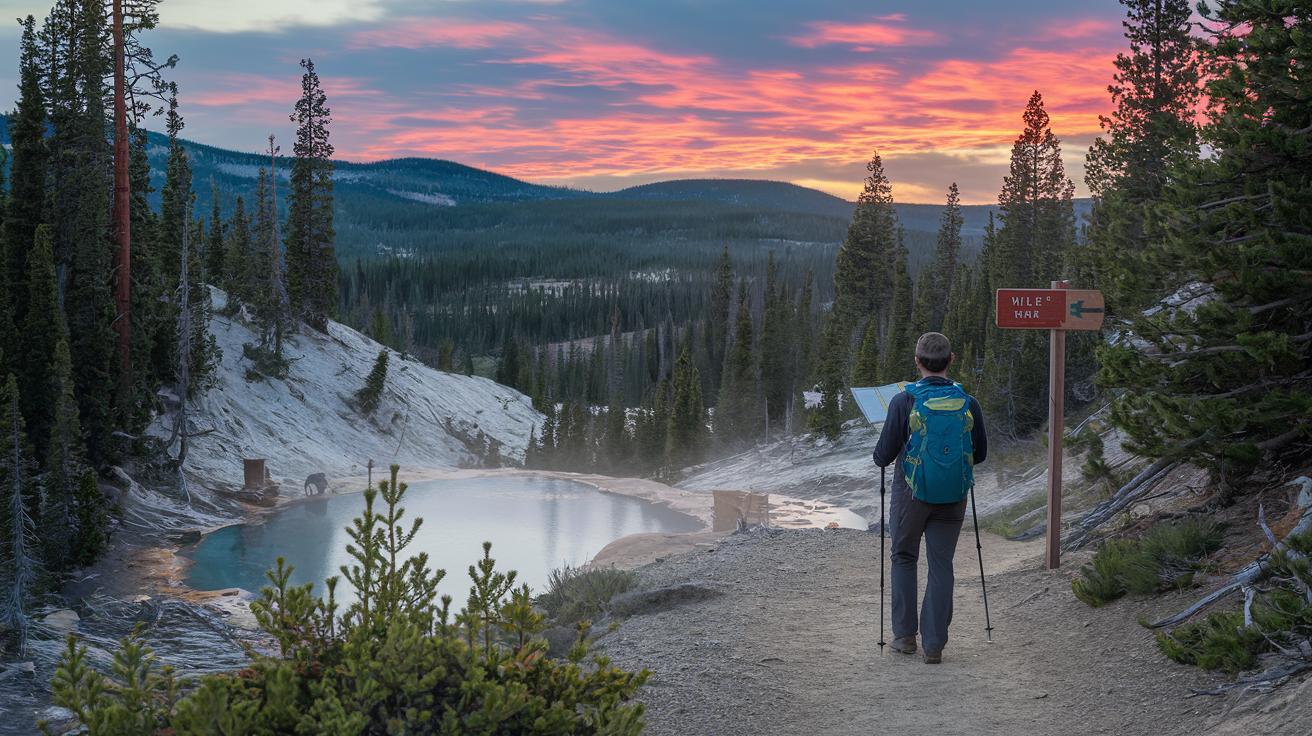
When you're ready to hit the trail, start by picking the best time to begin. If you're tackling north-bound hikes, early spring is the way to go, and for south-bound adventures, early summer works best. Usually, hikers cover between 5 to 15 miles each day, so it's smart to plan where you'll stop and catch your breath. I like to check out advice from folks who know these trails well, like local websites that share tips on day hikes and rest stops.
Keep resupply stops in mind as part of your plan. Towns such as Hot Springs, NC, and Damascus, VA, show up about once a week, offering key supplies and a chance to refuel. It really pays off to look over the mile marker details for your trail so you know exactly when and where you'll find these service points.
When plotting your path, make use of handy tools like GPS tracking to see your progress in real time. And trust me, offline maps are a great backup when cell service fades away in those remote stretches. If you’re more comfortable with something tangible, a printed guidebook can be a great companion on your journey.
Before you set off to explore national parks like the Great Smoky Mountains, take a moment to review their current rules. Sometimes, free camping spots change or permit fees pop up in backcountry areas, so it's best to have the latest info at hand.
Interactive Maps and GPS Tracking for Appalachian Mountains Hiking Trails

Planning a hike in the Appalachian Mountains? Using digital maps can make your adventure a lot smoother. Imagine having a detailed map with mile markers (little signs along the trail) that keeps you heading in the right direction, even when you're exploring new paths.
Nowadays, most hiking apps let you download topo maps (maps that show hills and valleys) so you’re never stuck without guidance, even when your cell service fades. They track your journey with GPS and even show useful details like permit info and shelter spots. This means you can plan a stop every 8 to 10 miles and know exactly where to rest and refill.
You just enter your planned route, and the app helps match your stops with landmarks and rest points. These interactive maps really boost your confidence by cutting down on mistakes and keeping you up-to-date with the trail. It turns a tricky route into a simple, stress-free adventure, leaving you more time to enjoy the view and savor that crisp mountain air.
Seasonal Recommendations for Appalachian Mountains Hiking Trails
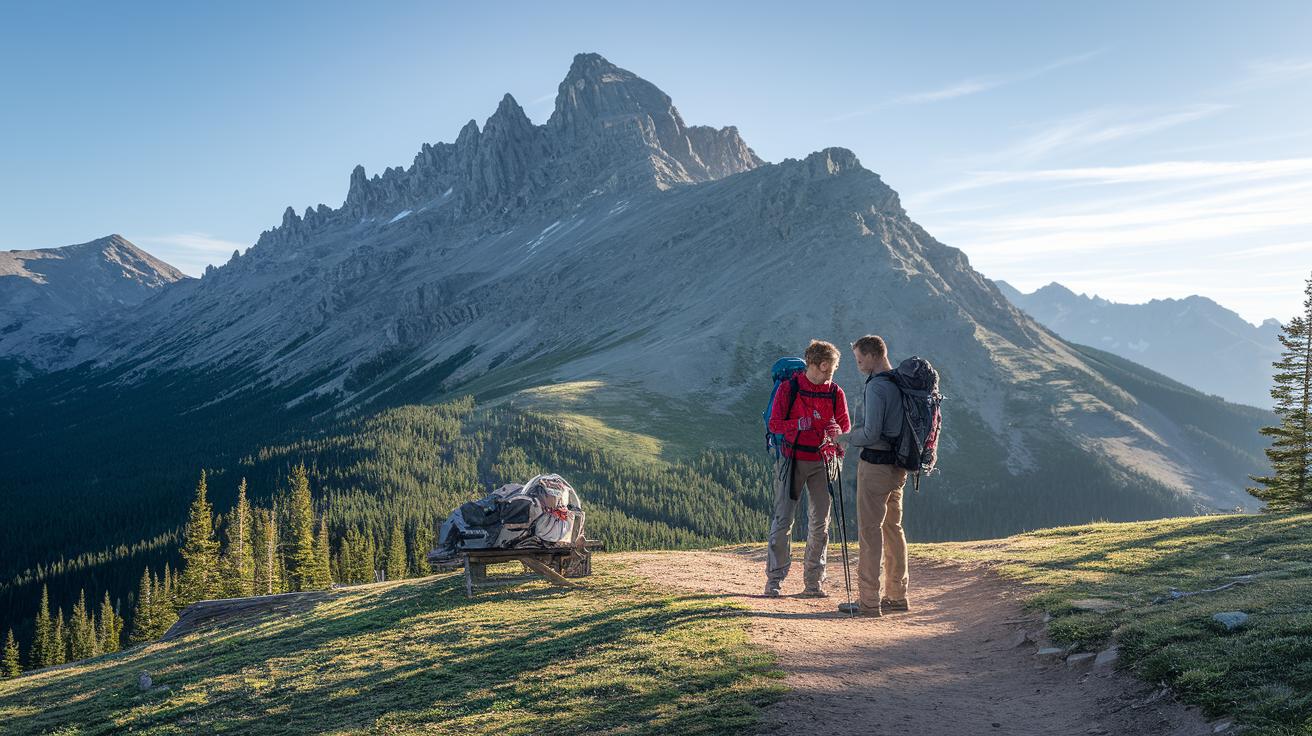
Planning a trek in these stunning mountains? Think of timing as your trusty compass. North-bound explorers should consider setting out in early spring and enjoy the trails through late summer. In spring, around spots like Springer Mountain, you might feel cooler air that wakes you up like the first light of day, refreshing and brisk.
For south-bound hikes, try early summer through late fall. Picture warm days easing into the dazzling colors of fall, especially in October, when every step feels like a brushstroke on nature’s canvas.
If winter calls your name, be sure to pack extra gear for cold snaps and icy patches. Still, if you prefer quieter trails and milder weather, aim for late spring or early fall when the conditions are just right and fewer people are on the path.
- North-bound: early spring to late summer
- South-bound: early summer to late fall
Keep an eye on local weather reports and trail updates so you can plan a safe and memorable adventure.
Safety Guidelines and Gear Essentials for Appalachian Mountains Hiking Trails
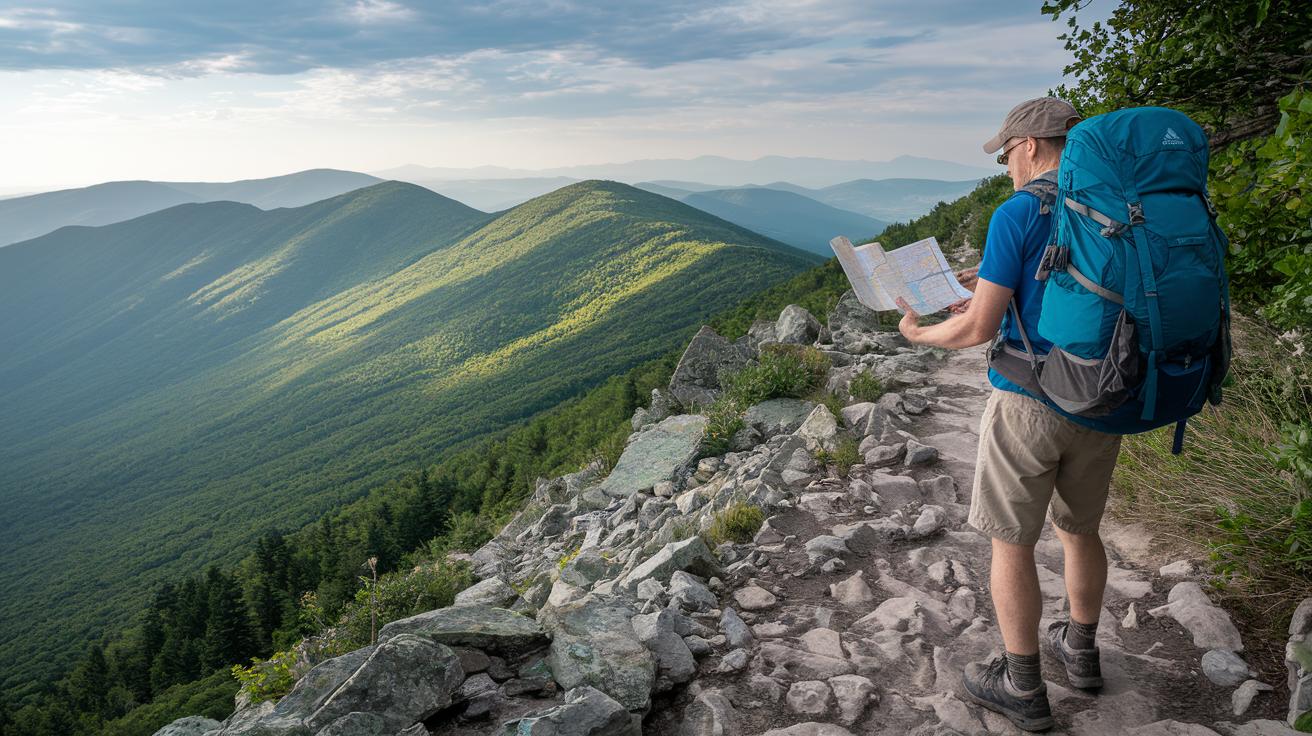
When you hit the Appalachian trails, it pays to keep safety in mind. Watch for loose rocks, sudden steep drops, and weather changes that can sneak up on you at high altitudes. And don’t forget to double-check the area’s registration and fee rules before you set out, nobody wants surprises on a trail day.
Before you head into the wild, pack your backpack with the essentials. Here are a few must-haves:
- A first-aid kit for cuts, scrapes, or blisters
- Extra layers to keep you warm when the air turns chilly
- A reliable shelter option for a quick break if you need safe cover
- A backup navigation tool, like a paper map or offline GPS, to help guide your way
Take a little time to learn where shelters and emergency exits are on your route. A quick look at your map and plan can really help when nature gets unpredictable. It’s like setting up your own little toolkit for a safe, memorable adventure under the clear Appalachian skies.
Final Words
In the action, we explored how to plan and enjoy the best routes, shelter spacing, and must-have gear for safe trips. We covered regional trail highlights, map tools, seasonal recommendations, and important safety tips.
Our discussion paints an engaging picture of appalachian mountains hiking trails that blend nature's charm with solid planning savvy. Here's to making your next outing safe, exciting, and simply memorable.
FAQ
What do Appalachian mountains hiking trail maps show?
The Appalachian hiking trail maps show detailed routes with access points and shelters along the way. They cover the route from Georgia’s Springer Mountain to Maine’s Katahdin to help plan your trek.
How can beginners find the best Appalachian mountains hiking trails?
The best Appalachian trails combine easy segments with more challenging parts. Beginners can opt for starter loops like the Springer Mountain loop for a safe way to build hiking skills.
What is the length of the Appalachian Trail?
The Appalachian Trail spans roughly 2,190 miles. It stretches from Georgia’s Springer Mountain to Maine’s Katahdin, offering a wide range of terrains and daily hiking distances.
Where does the Appalachian Trail start and end?
The trail starts at Springer Mountain in Georgia and finishes at Katahdin in Maine. This route covers diverse natural areas and gives hikers a complete cross-section of the region.
What are the details surrounding Appalachian Trail murders?
The mention of Appalachian Trail murders refers to very rare tragic incidents. Overall, such events are uncommon, and the trail remains safe when hikers take proper precautions.
What is the celebrated trail in the Appalachian Mountains?
The celebrated trail is the Appalachian Trail itself. It is renowned for its extensive route, rich history, and the varied outdoor experiences it offers hikers over many miles.
What are the three rules of Appalachia?
The three rules of Appalachia often stress respecting nature, being self-reliant, and staying prepared. These simple guidelines help hikers maintain safety and care for the wild areas they enjoy.
What is considered the best section of the Appalachian Trail to hike?
The best section often includes iconic spots like the Smokies stretch or McAfee Knob. These parts provide breathtaking views and a taste of the trail’s variety without needing a full thru-hike.
What makes the Appalachian National Scenic Trail special?
The Appalachian National Scenic Trail stands out with its well-marked path, regular shelters, and stunning natural views. It suits hikers looking for extended outdoor time or a manageable day-long walk.
What highlights does Shenandoah National Park offer?
Shenandoah National Park offers lush forests, clear trails, and cascading waterfalls. It has scenic overlooks and well-kept paths that provide a relaxed, refreshing outdoor experience.
What is notable about the Pacific Crest National Scenic Trail?
The Pacific Crest National Scenic Trail stretches across the western states, showcasing diverse climates and dramatic landscapes. It features long, well-defined routes that challenge multi-day hikers.
What distinguishes the Continental Divide Trail?
The Continental Divide Trail follows the continental boundary between the east and west. It features rugged terrain and steep elevations, appealing to hikers seeking a physical and scenic challenge.
What attractions are found in Great Smoky Mountains National Park?
Great Smoky Mountains National Park is known for its misty peaks, lush vegetation, and extensive trail systems with regular shelters. Its natural beauty attracts both first-timers and seasoned hikers.
What is the role of Harpers Ferry National Historical Park for hikers?
Harpers Ferry National Historical Park serves as a key waypoint with rich history and scenic wilderness. It is a popular connecting point for AT hikers and those exploring the surrounding trails.