

Ever thought about leaving the busy spots behind? This guide is like a friendly trail buddy showing you how to plan your days away from the city's buzz.
We break down each step so you can pack smart and find secret paths without any fuss. You'll get simple gear reviews, easy tips, and real advice from folks who live off the beaten trail.
Get ready to feel nature up close and craft memories that stick with you.
What to Expect in an Expedition Travel Guide to Remote Destinations
If you’re gearing up to leave the beaten path, this guide is like a trusty trail buddy. It breaks down remote destinations with easy-to-follow daily plans that show you what to do from morning to night. Imagine starting your day by setting up camp with a reliable tent and a backpack you can trust, then spending the afternoon exploring secret trails while the fresh air fuels your excitement.
We also share honest gear reviews covering everything from tents and hiking boots to cameras and drones, so you know which items will stand up to nature’s challenges. Whether you’re battling desert heat or facing the isolation of the Arctic, our practical tips help you prepare for it all.
Plus, you’ll hear stories straight from local communities such as the Bajau Laut sea nomads or Mongolian nomads living in portable homes. Their insights offer a genuine glimpse into lives so different from our everyday routines, along with friendly advice on how to engage respectfully.
We even cover the nuts and bolts of getting around, offering simple advice on using land, sea, and air transport. You’ll learn how to book rides, hire local guides, and plan your routes with clear maps and step-by-step checklists.
So, grab your gear and get ready to embrace the adventure with confidence and curiosity.
Ultimate Guide to Remote Destination Itinerary Planning

Planning an off-grid adventure starts with sketching out an itinerary that fits a mix of terrains and climates. Think of it like mapping out your own trail, the plan should balance active days, cultural stops, and moments to simply take in the surroundings.
Imagine a three-day sea trip with the Bajau Laut along Borneo’s coast. On day one, wander through coastal villages and busy floating markets where life moves at a friendly pace. On day two, spend the afternoon paddling between quiet isles as the sun glimmers on the water. And by day three, kick back on a sandy beach and chat with local sailors, soaking in their stories and the gentle sea breeze.
Now, picture a five-day mountain trek in Yemen’s Haraz. Start with a slow, gentle climb as the cool morning air fills your lungs. Then hit rugged trails with stops at high-altitude camps, where you’ll feel the refreshing chill and enjoy hearty campfire chats. On your final day, retrace your steps while marveling at sweeping views that stretch as far as the eye can see.
For a week-long push into the wild, consider a seven-day 4×4 crossing of the Libyan Sahara. Spend the first couple of days checking your gear and getting handy survival tips. Mid-trip, drive over vast, shifting sand dunes that ripple like golden waves. End your journey with a soothing sunset drive that wraps the adventure in a warm, glowing finale.
If you’re in the mood for a cultural dive, try a four-day Lower Omo loop where you’re immersed in local traditions and artful rituals. Or, if horses make your heart race, a ten-day Mongolian Steppe trek starts off with simple riding basics, grows into extended gallops, and winds down with quiet evenings by the campfire under stars.
There are plenty more trails to explore, too. A five-day Greenland ski-boat combo dares you with icy waters and frosty landscapes, while a six-day Tibetan Plateau route tests you on steep, high-altitude passes. You might also find joy in a village-to-village hike through the PNG Highlands over five days, an eight-day lodge-to-lodge trek in the Amazon rainforest, or a six-day Madagascar safari that brings you face-to-face with wild nature.
Each of these itineraries mixes physical adventure, cultural touches, and plenty of downtime to just breathe in the fresh air. Adjust them to your pace, and set off to explore those far-flung regions with confidence. Adventure is waiting, plan bold.
Expedition Equipment and Packing Table for Remote Destinations
Getting your gear sorted is just as important as planning your hike. Whether you’re venturing through rugged mountain passes or setting up camp in a quiet valley, the right equipment keeps everything running smoothly. Think of your gear as the heart of your adventure, each item is picked for its toughness and usefulness. Take an ultralight backpacking tent, for instance; it sheds extra weight while still giving you a cozy shelter. (By the way, check out our camping essentials checklist for more details on tents at https://blackandburlap.com?p=280.)
Below is a handy table that highlights ten must-have items and explains how each one helps you out in the wild:
| Gear Category | Recommended Item | Purpose |
|---|---|---|
| Ultralight Tent | Compact, quick-pitch model (camping essentials checklist) | Gives you shelter without weighing you down |
| Sleeping Bag | Four-season insulated bag | Keeps you warm, rain or shine |
| Backpack | Expedition backpack (60–80 L) | Holds all your essential gear comfortably |
| Navigation Device | GPS with topo maps | Keeps you on course no matter where you roam |
| Hydration System | Reservoir + water filter | Makes sure you always have safe water to drink |
| Hiking Boots | Multi-terrain, waterproof models | Stabilizes your steps on rocky or muddy paths |
| Cooking Gear | Compact stove + fuel canister | Lets you whip up a warm meal out in nature |
| Power Supply | Solar charger + power bank | Keeps your gadgets charged so you’re never out of touch |
| Imaging Kit | Travel camera + drone kit | Captures stunning scenes and moments |
| Emergency Kit | First aid supplies + satellite communicator | Keeps you safe when surprises come your way |
Every one of these items plays a key part in making sure your trip stays safe and fun. Picture yourself setting up camp, with the crisp air all around you and your gear ready for every twist and turn that nature throws at you. Whether you’re following your GPS’s guidance or relying on sturdy boots on rough trails, each piece helps you feel set for adventure in even the most remote spots.
Safety, Risk Management, and Survival Tactics for Remote Destinations
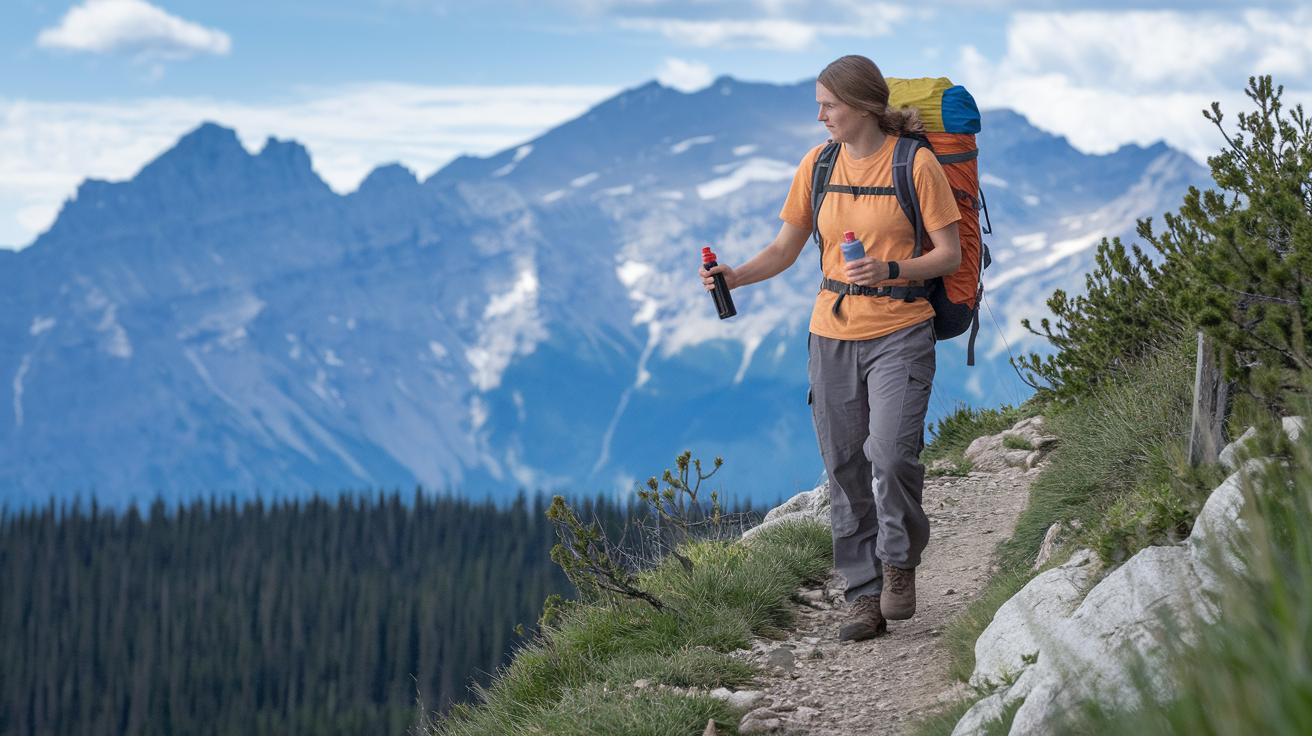
When you head into the wild, staying safe is as important as enjoying the crisp air under your feet. Being prepared lets you embrace nature’s surprises instead of getting caught off guard. Every step on a trail calls for smart choices, just like packing an extra layer of readiness with your gear.
- Altitude sickness prevention: Take it easy when you’re climbing higher. Pause for short rests to let your body adjust to thinner air, and if needed, use medicine to help out. Quick jumps to high places can wear you down fast.
- Wildlife encounter tips: Pack bear spray and a noise maker to keep wild animals at a safe distance. Stay aware of your surroundings, and give every creature plenty of room.
- Extreme weather prep: Bring layered clothes and a small emergency shelter. Nature can flip from warm to cold in a heartbeat, so be ready for rain, chilly winds, or even a burst of heat.
- Medical emergency plan: Carry a satellite phone and have medevac (airlift rescue) insurance, just in case. A tiny first aid kit helps ease those unexpected scrapes or bites.
- Navigation backups: Keep extra GPS devices handy and don’t forget a printed topographic map. This extra step means you’ll always have a way back when tech decides to take a break.
Following these simple steps makes your adventure less risky and more fun. Every well-planned move builds your confidence, even in remote, wild places. Think of these guidelines as part of your essential outdoor kit, ready to handle high altitudes, curious wildlife, and sudden weather changes. A smart traveler always checks their gear twice and reviews emergency steps before setting out. With a little extra practice on day hikes, you’ll feel prepared for even the toughest trails. So, pack smart, stay alert, and let the call of nature guide you safely along every path.
Cultural Immersion and Local Insights for Remote Destinations
Step off the beaten trail and dive into the everyday lives of locals in these hidden corners. Imagine spending time with the Bajau Laut sea nomads in their floating villages, where life flows with the tide. Picture sharing a simple meal by the water, hearing stories that echo the rhythm of the sea.
Take a few days with the Lower Omo tribes, where cattle rituals and colorful body painting aren’t just old customs, they’re a lively display of identity. Sit down with community elders as they explain techniques passed from one generation to the next. Ever wonder what secrets lie in traditions that have stood the test of time?
In Mongolia, escape the modern rush and listen to nomads living in seasonal gers (traditional tents) on the endless steppe. Under vast, starry skies, their tales are as timeless as the cool mountain air. It’s like nature itself is sharing a secret with you.
Head into the heart of the Amazon, where the Yanomami weave communal hunting and craft traditions into daily life. Their way of living closely with nature might just change how you see sustainability and community.
And in Madagascar, step into villages that celebrate lemur-conservation ceremonies with warmth and pride. Join a local-led excursion to get up close with efforts that protect their unique natural world.
Remember, real cultural immersion is all about genuine curiosity. Ask sincere questions, listen with your heart, and let local guides lead you through their world. Each shared moment builds a bridge to a richer, more connected perspective.
Logistics, Transport, and Route Mapping in Remote Destinations
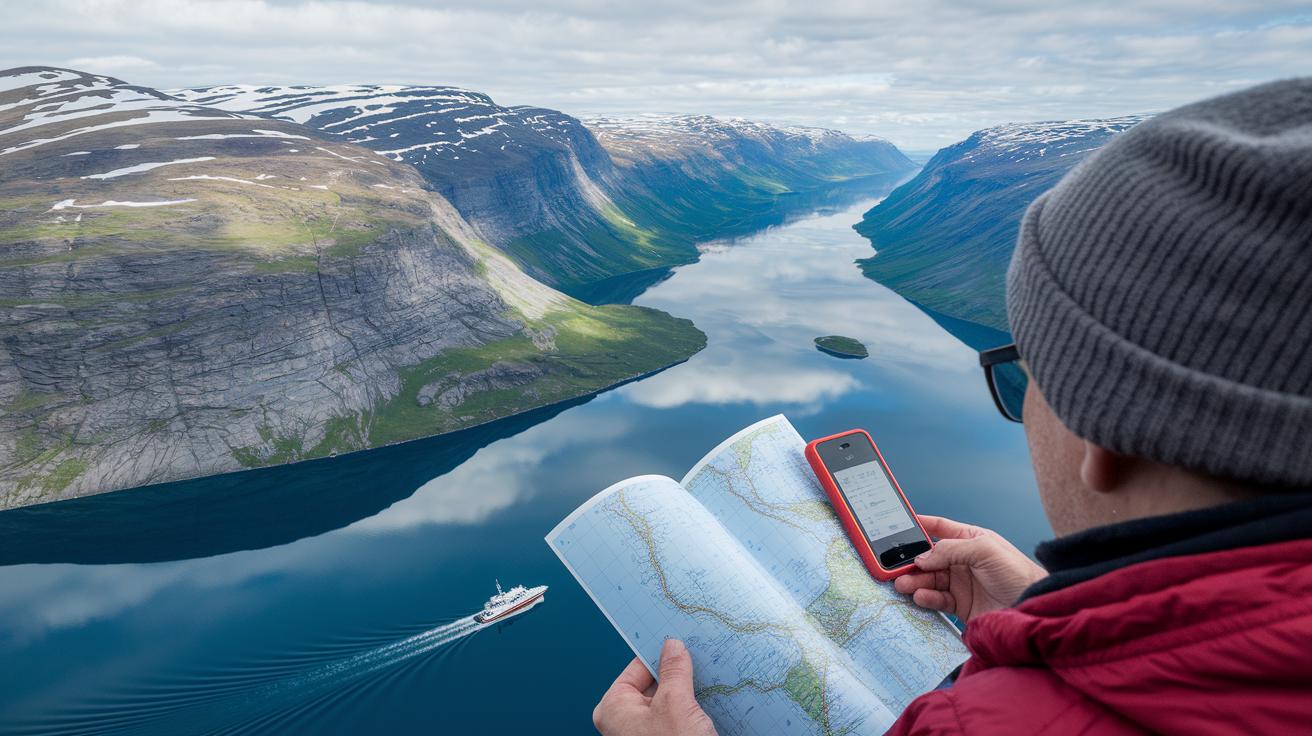
Planning your journey through far-off wild spots is a bit like plotting out a hiking trail. First, explore air charters if your adventure takes you to places like Greenland or the PNG Highlands. These flights often have tight windows, so check their schedules early. And if you're headed for a water leg, imagine cruising by Arctic fjords or along Bajau Laut coastal paths, boat rides can offer a great balance between cost and convenience.
Air and Sea Transport Strategies
When you’re charting your course in those extreme spots, it pays to compare private air charters with regular flights. Sometimes a private charter gets you closer to that hidden drop-off, while other times a scheduled flight paired with a boat transfer fits just right. And if coastal areas call your name, local boat hires can be your best buddy since the locals usually know the best routes and timing. It’s like matching your favorite trail with the perfect pair of boots.
Land Routes and Off-Pavement Excursions
On the ground, things can get just as exciting. Picture yourself in a desert with a rugged 4×4 or even joining a camel caravan in the Sahara, a real adventure to break up a long journey. In regions like Tibet or the Lower Omo, teaming up with porters or using pack animals can make those steep, bumpy parts much easier. And don’t discount local bus networks or seasonal routes when the big roads are few; sometimes, a local bus is like discovering a secret shortcut.
Route Mapping and Permitting
When you’re out where signals fade, offline mapping tools like Gaia GPS act as your trusty guide. Also, be sure you understand the permit rules for tribal lands or high-altitude zones. Taking a little extra time to sort out permissions can be just like packing extra snacks, you keep things safe and smooth, even when you’re far off the beaten track.
Final Words
In the action, this guide wove together destination insights, basic safety practices, gear reviews, and clear itineraries. We shared practical tips for planning trips, mapping routes, and engaging with local customs. Each section gave simple, step-by-step advice for tackling remote settings with ease. You now have a clear plan to create lasting memories in the wild. With this adventure travel guide to remote destinations, you’re all set to pack up, step out, and embrace what lies ahead.
FAQ
What does the best travel guide to remote destinations include?
The travel guide covers destination profiles, clear multi-day plans, gear reviews, safety tips, and local insights to help you plan trips to isolated areas.
How can a remote US getaway be planned with safety in mind?
A remote US getaway includes clear itineraries, transport advice, gear tips, and detailed safety steps to keep you secure during your trip to off-the-grid spots.
What does the term “remote destinations” mean?
The term “remote destinations” refers to secluded spots far from city life, offering chances to experience pristine nature and authentic local cultures.
How do examples in this guide help with planning outdoor trips?
The guide offers clear, day-by-day itineraries—like mountain treks or cultural loops—that give practical steps and timeframes for planning smooth trips in wild areas.
What key equipment does the guide recommend for remote travel?
The guide lists vital gear, including a four-season sleeping bag, expedition backpack, GPS with maps, and a first aid kit, each explained for use in rugged settings.
How does the guide address safety when exploring hard-to-reach spots?
The guide explains safety steps such as altitude sickness prevention, wildlife caution, layered clothing for weather, medical readiness, and backup navigation tools.
What logistical tips help in reaching remote regions?
The guide outlines methods for air, sea, and land transport, steps for acquiring permits, and offline mapping tools to plan clear routes through off-grid areas.