

Ever headed into the wild and felt a bit unprepared? Imagine wandering into a thick forest with no clue how your pack will keep you safe. It’s like setting off without a map when the weather turns.
A good checklist can change everything. From maps that guide your way to meals that keep you going, each item plays a part in your adventure. This guide is your finger on the trail, showing you what to pack so you feel steady even if the skies surprise you.
Complete Adventure Guide Checklist for Trip Preparation
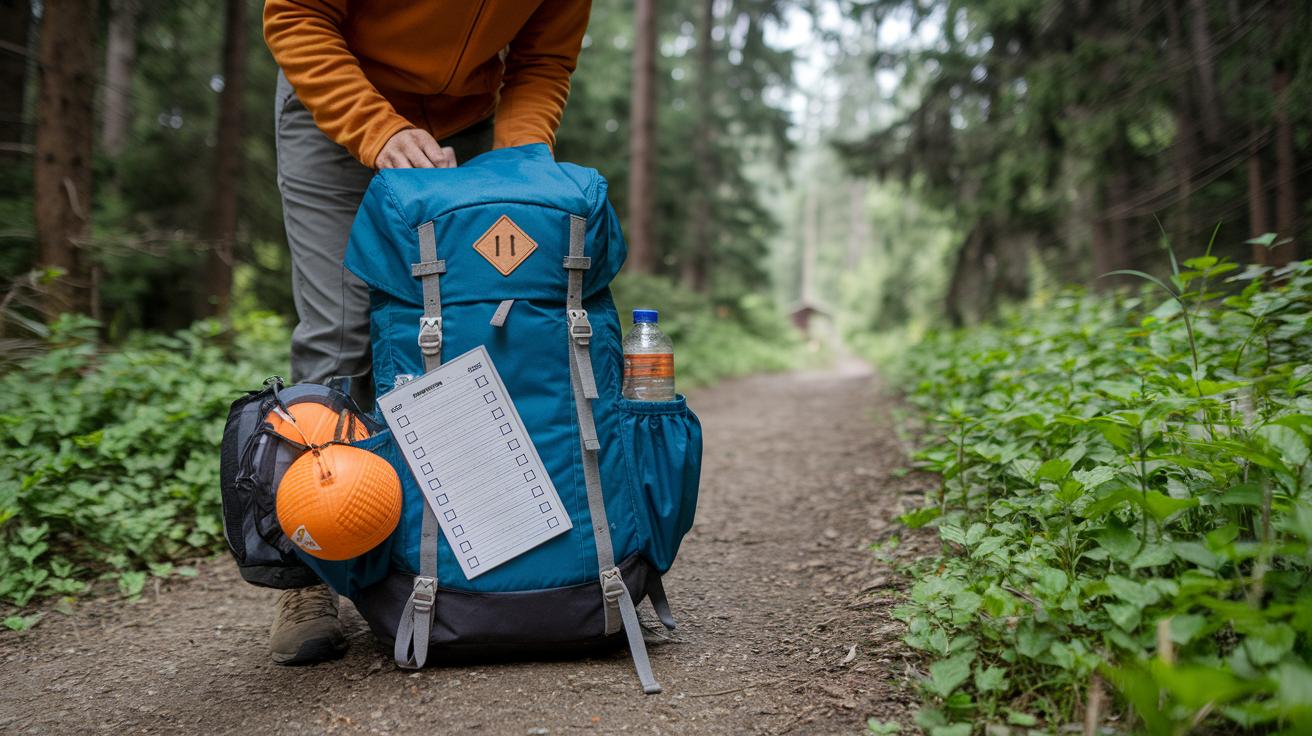
For any self-supported trip, a trusty checklist is a must. When you’re out on your own, you won’t find aid stations or friendly helpers magically appearing when you need them. Every piece of gear in your pack should have its own reason, whether for safety or comfort. It’s like packing an umbrella on a day when clouds gather, those little details really matter.
A solid checklist works for quick day hikes and longer backpacking adventures alike. It prepares you for shifting weather and unexpected trail challenges. Think of it as a map that not only shows the way but also points out hidden hazards, helping you keep one step ahead.
- Route research & maps
- Permits & local regulations
- Navigation tools
- Sun protection
- Layered clothing system
- Insulation & sleep gear
- Illumination devices
- First aid kit
- Fire-starting equipment
- Multi-tool & repair kit
- Nutrition essentials
- Hydration & water treatment
Every item on this list builds your very own safety net when you’re traveling alone. Your maps guide you through new and winding paths, and permits remind you to respect local rules. Navigation tools help prevent you from losing your way, while sun protection keeps you safe under a bright sky. Layered clothing adjusts as the temperature shifts, paired with solid sleep gear to keep you cozy at night. A reliable light shows your path in the dark, and a first aid kit stands by for those small mishaps. Fire starters, a multi-tool, good snacks, and plenty of water all work together to make sure you’re ready for whatever adventure comes your way.
Pre-Trip Adventure Planning Essentials
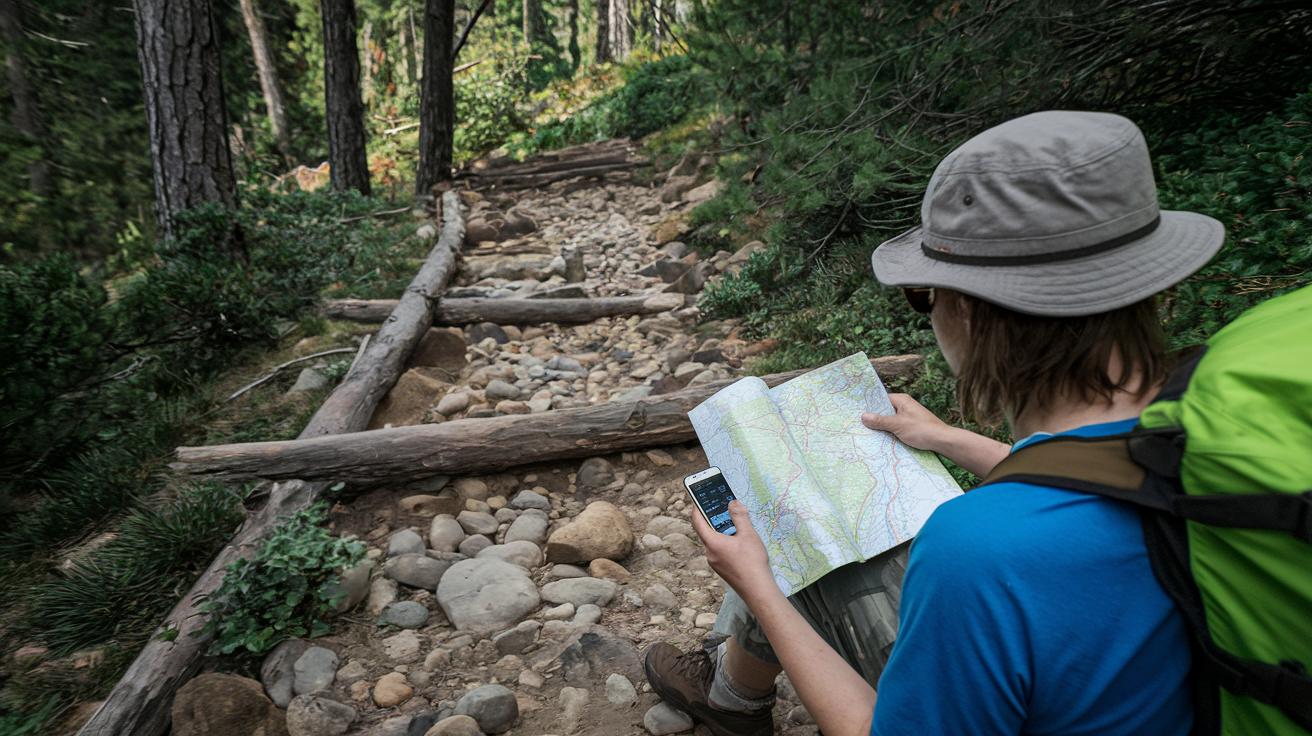
Before you head out, take a good look at your topographic maps to figure out spots where cell service might fade and the trail gets tricky. Study the land closely and mark where your phone might drop out. And keep an eye on the weather, too, it can change in a flash, like a sudden shift in the sky as you stroll along.
Next, make sure you handle all permits and local rules well in advance. Check if your route needs any special passes or registrations. This step helps you stay safe and shows respect for the area. Sorting these details out ahead of time means you won't be stressed by last-minute surprises.
Finally, pack the right gear to carry your supplies. A versatile suitcase/backpack is a smart main bag, it works well in different trail conditions. Pair it with a sturdy 20-liter day pack for those longer outings and a lightweight, foldable day pack for shorter trips or spur-of-the-moment detours. This way, your gear stays organized and easy to manage, no matter where the trail leads you.
Navigation and Communication Gear Checklist

When you're out in the wild, having gear you can count on to help you stay on course and connected is key. Your cell phone might run out of juice or lose signal in remote spots, so it's smart to mix modern gadgets with classic backup tools.
Digital Navigation Solutions
Lots of nature lovers use GPS apps that work even without a network. Before you head out, download offline maps so you can always see the path ahead, even when your phone dies. And don’t forget to pack an extra battery bank to keep your phone charged when it matters most.
Satellite messengers and personal locator beacons give you another way to stay in touch. They work through satellites to send your location to trusted friends or family, so there's always someone who can help if things go wrong. Using these digital tools can save battery life and offer a backup plan when cell service fails.
Traditional Navigation Tools
Sometimes, the old ways are the best. A trusty compass and paper map never need power and are simple to use for keeping your bearings. Always have a detailed map handy so you can double-check your route as you go.
It’s also wise to carry an emergency whistle and a signal mirror. A whistle can grab someone’s attention if you’re in trouble, and a mirror can send a bright, visible signal across long distances when sunlight hits it. These classic tools work perfectly with your digital devices to keep you safe on the trail.
Safety Protocols and Emergency Kit Essentials

When packing up your kit, think not only about what to bring but also how you'll use it when the moment calls. It's a good idea to check your emergency gear every now and then so that each piece is ready when you really need it.
Medical and Fire-Starting Supplies
A simple first aid kit is a must-have. Pack easy-to-use bandages, gauze pads, antiseptic wipes, treatments for blisters, and any medications you rely on. After every trip, give your kit a quick look-over, swap out bandages that have lost their stick or medicines that are close to expiring. It’s a bit like cleaning your hiking boots after a muddy day on the trail.
When the weather turns rough, your fire-starting tools can really make a difference. Have waterproof matches, a lighter, and fire cubes ready, and test them occasionally in a safe spot to be sure they light up fast. A little note in your kit to remind you to update these supplies goes a long way.
Shelter and Repair Equipment
Your emergency shelter, whether it’s a lightweight bivy sack or a handy space blanket, should be something you practice with under calm conditions. Try setting it up at different times, say at dusk, so you can learn what tweaks might be needed for a smooth setup when it counts.
Similarly, your repair kit with a multi-tool and duct tape deserves regular attention. Check that your multi-tool works well and see if the duct tape still holds strong, much like giving your gear a quick tune-up after each adventure.
Take a little time to review your kit and practice these skills before every trip. It keeps you ready for the wild without having to count every item on a long list each time.
Layered Clothing and Insulation Checklist Table
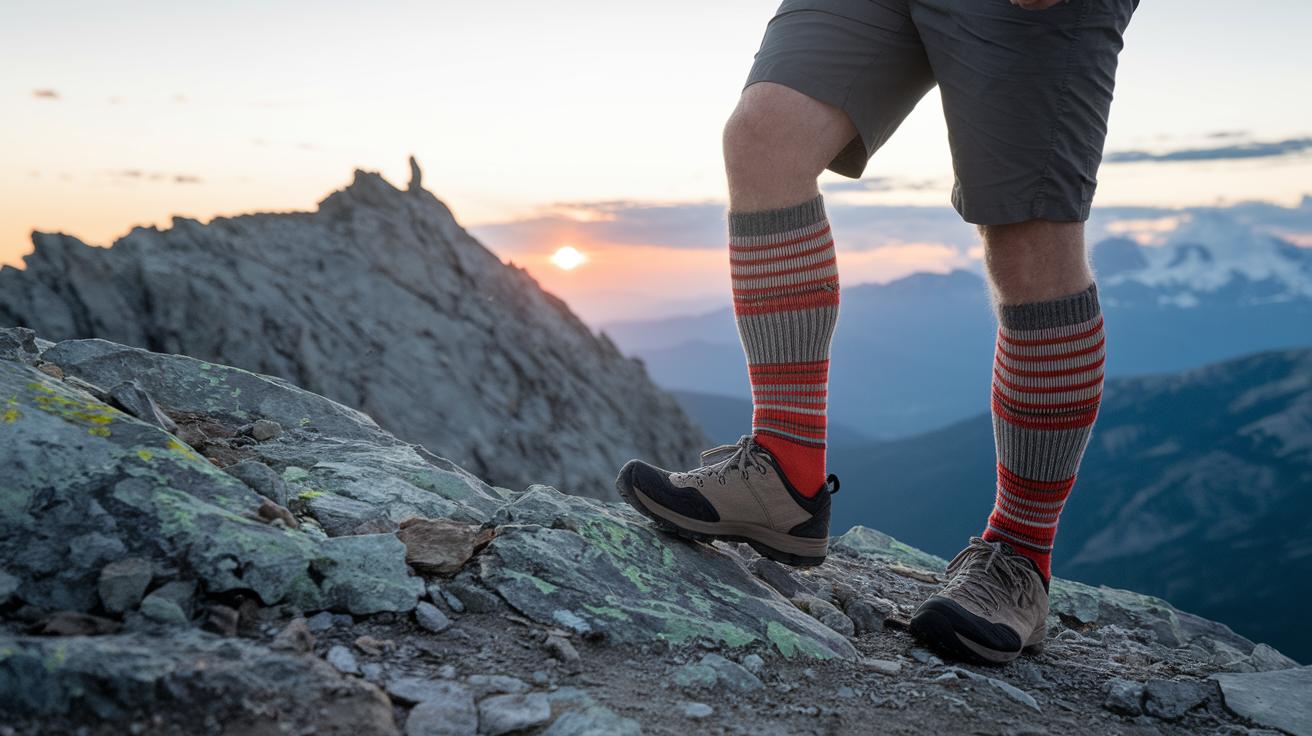
When you’re off on an adventure and the weather starts to change, layering up properly is your best buddy. Start with a moisture-wicking base layer that draws sweat away, keeping you comfy whether you’re in the warm sun or resting in cool shade. Don’t forget to pack liner socks along with a dry pair for snoozing, so your feet stay happy during long treks. A tough, waterproof and windproof jacket is key when the skies turn gloomy, and a trusty pair of gloves and a hat will keep your hands and head warm. Lastly, a lightweight sleeping bag or quilt will help you catch a solid night's sleep under the stars.
| Clothing Item | Purpose | Quantity |
|---|---|---|
| Moisture-wicking Base Layer | Draws sweat away to keep you comfy all day | 1 |
| Liner Socks | Cushions your feet and helps prevent blisters | 2 pairs |
| Wool Socks (Dry Pair) | Keeps your feet warm and dry for sleeping | 1 pair |
| Waterproof/Windproof Jacket | Shields you from rain and strong winds | 1 |
| Gloves and Hat | Keeps your hands and head warm in chilly weather | 1 set |
| Lightweight Sleeping Bag or Quilt | Holds in your body heat while keeping the load light | 1 |
Nutrition and Hydration Planning Checklist

When you’re hitting the trail, pack foods that are rich in calories but light on weight. You don’t need to overload your pack, you might not feel like eating a huge meal when you’re roaming nature. Instead, grab energy snacks like nuts or bars. They work like little power boosts when your day gets long.
Don’t forget your water. Aim for about 2 liters even on those hot, sunlit days. And if you ever run low, having a water filter or purification tablets lets you safely sip from nearby streams. That way, you can focus on the adventure rather than stressing over your next drink.
Also, remember to time your meals well. Taking short breaks to munch and drink helps keep your energy steady. Using lightweight gear like a small, portable stove or cup makes meal prep and cleanup a real breeze. It keeps you fueled and ready for the next trail segment, so you can truly enjoy every step of your journey.
Efficient Packing and Weight Management Tips

When you're gearing up for an adventure, pick a suitcase that easily converts into a backpack and can handle rough trails. Pair it with a 20-liter day pack for those long journeys and a small, foldable pack for quick trips. Keep the little things like ear plugs, a travel neck pillow, and a pen organized in zip bags. For example, toss these items in one bag along with a roll of toilet paper so you can grab them fast. Use extra compression straps and inner pockets to hold everything tight and steady.
Set up your pack like you’re laying out a trail map, grouping like items together so you know where each tool is. This way, when you need something in a hurry, you’re not digging through a jumble. Put items you use most often in easy-to-reach spots, like keeping snacks in small bags at the top for a quick bite when you’re on the move.
And don’t forget, place the heavier items right by your back. This helps keep your pack balanced and light, making your outdoor adventures much more enjoyable.
Final Words
In the action, our checklist helped cover every bit of gear and planning from route research to nutrition and hydration. We broke down everything into clear sections, ensuring even the smallest details, like layered clothing and packing tactics, got the attention they deserve.
This adventure guide checklist reminds us that careful prep turns every outdoor trip into a well-balanced, safe experience. Here’s to stepping out with confidence and a spirit ready to embrace nature’s surprises!
FAQ
What does the outdoor guide checklist include?
The outdoor guide checklist includes key items such as route research, permits, navigation tools, and gear for clothing, insulation, safety, and nutrition. This helps keep self-supported trips safe and well-planned.
What does the Rei travel checklist provide?
The Rei travel checklist offers a set of essential items for planning independent trips. It covers gear like mapping tools and safety supplies so you can confidently face unexpected weather and varied terrain.
How can I get a backpacking checklist PDF?
The backpacking checklist PDF provides a downloadable guide that lists must-have items such as maps, layered clothing, first aid supplies, and food. It makes packing for independent trips simpler and more organized.
Is there a free travel packing checklist PDF available?
The free travel packing checklist PDF offers a handy resource that lists all necessary gear and supplies. It helps you pack efficiently and stay organized for a smooth and safe outing.
What does a complete travel packing checklist cover?
The complete travel packing checklist covers everything from navigation tools and layered clothing to food, water treatment, and emergency gear. This comprehensive guide helps reduce surprises and keeps you ready for various conditions.
What details are in the 3-day backpacking checklist PDF?
The 3-day backpacking checklist PDF outlines essential items like maps, permits, basic first aid, layered clothing, and nutrition supplies. It lets you plan a short, safe, and nimble outdoor trip with ease.