

Have you ever noticed how a splash of bright color can lift your spirit out in nature? Even your tough, reliable gear can give you a little mood boost when it comes with a burst of fun color. I remember one crisp morning; I wrapped a bold red bandana around my neck, and it not only kept me warm but made the whole day feel brighter.
Today, let’s chat about some easy layering tricks and playful gear ideas that mix comfort with a cheerful vibe for your next campfire night. Imagine layering up like you arrange your favorite campsite, each piece adding its own bit of warmth and personality. Sure, it’s practical, but it can feel as refreshing as the crisp morning air.
Camping clothing essentials: Bright, Cheerful Outfits
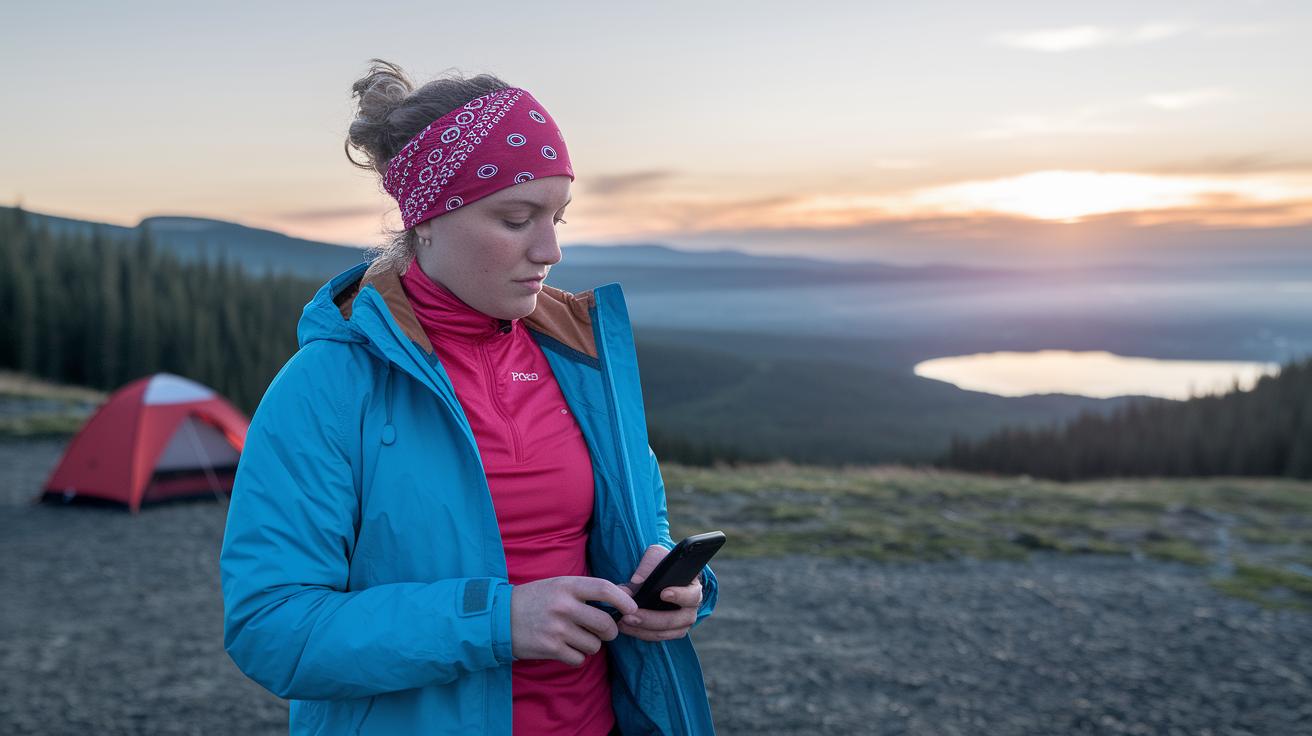
When you're packing for an outdoor escape, what you wear really matters. Good, sturdy clothes that can handle sudden weather changes keep you warm and feeling upbeat. And bright camp outfits? They’re like a splash of sunshine on a cloudy day.
Try a simple three-layer system for your camp wear. Start with a base top made of materials like synthetic or merino wool that pull sweat away from your skin. Then, add an insulating layer such as fleece or down to lock in warmth. Finally, top things off with a waterproof outer layer, a jacket and pants that repel rain and wind. For example, picture a vivid bandana that you can tie around your head or use to wipe your brow. I remember one chilly morning, I wrapped on a bright red bandana and felt both ready for the day and full of spirit.
- Moisture-wicking base top and underwear
- Insulating fleece mid layer
- Waterproof hardshell jacket
- Quick-dry expedition pants
- Multipurpose bandana
Layering in this way lets you easily switch from sunny adventures to cool nights by the campfire. Combining practical design with cheerful colors ensures you stay comfortable and stylish. If you're steering clear of wool, try something like Arc’teryx base layers. Isn’t it fun to style your outfit so the outdoors feels even more inviting?
Layering Strategies for Variable Camping Conditions
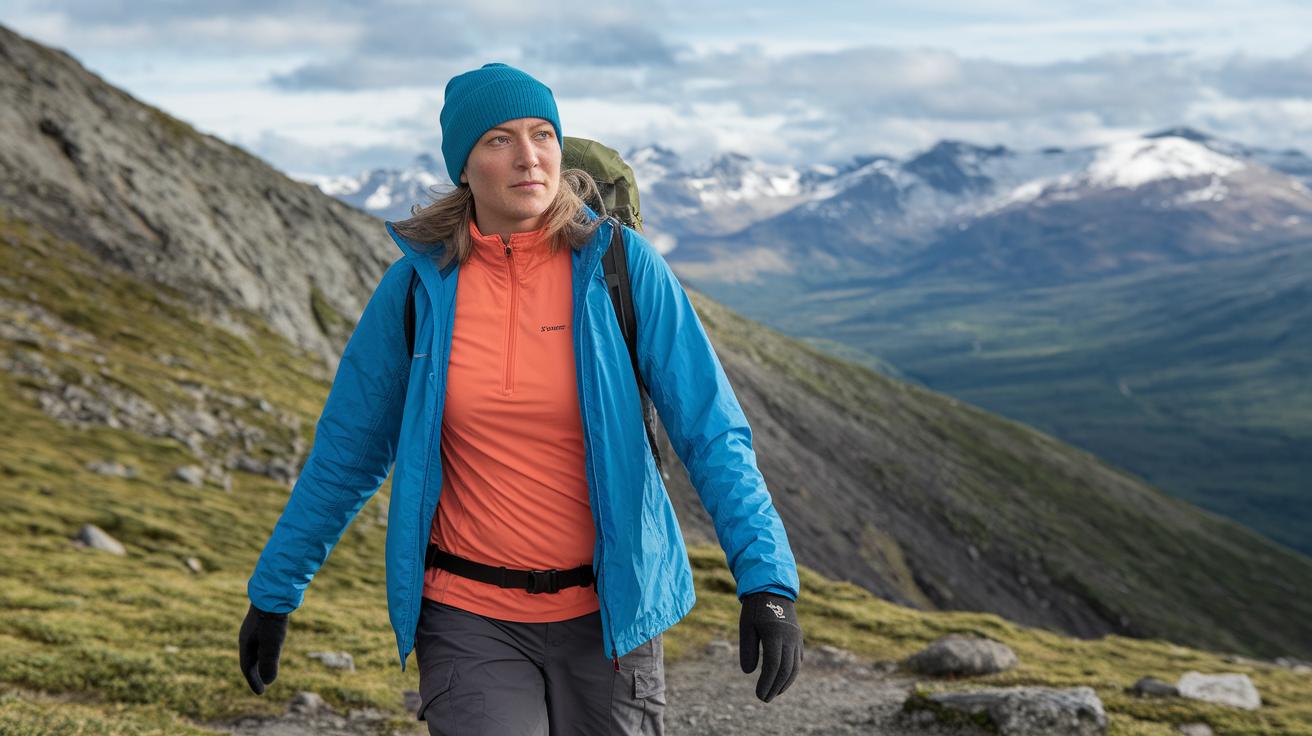
When you're out exploring, the weather can change in a flash. Stick with a three-layer approach: start with a base layer that keeps moisture away, add a warm mid layer to hold in body heat, and top it off with a shell that blocks wind and water. Ever tried a convertible field jacket with zip-off sleeves? It's great when the day warms up. And keep a packable windbreaker handy for those surprise gusts. Little touches like adjustable hoods and pit zips let you tweak your comfort as conditions change.
- Choose a base layer that moves moisture away from your skin.
- Add an insulating mid layer to trap warmth.
- Finish with a waterproof and windproof shell (think convertible jackets or a lightweight windbreaker).
- Adjust ventilation with features like pit zips and adjustable hoods or cuffs.
Using smart layering means you can stay snug on a chilly morning and cool when the sun comes out. A cozy fleece or a light insulated vest works wonders in the middle, and with the right ventilation, your gear stays just right. This strategy gives you a simple, flexible way to handle any weather, so you’re always ready for the adventure ahead.
Trail-Ready Footwear and Sock Selection
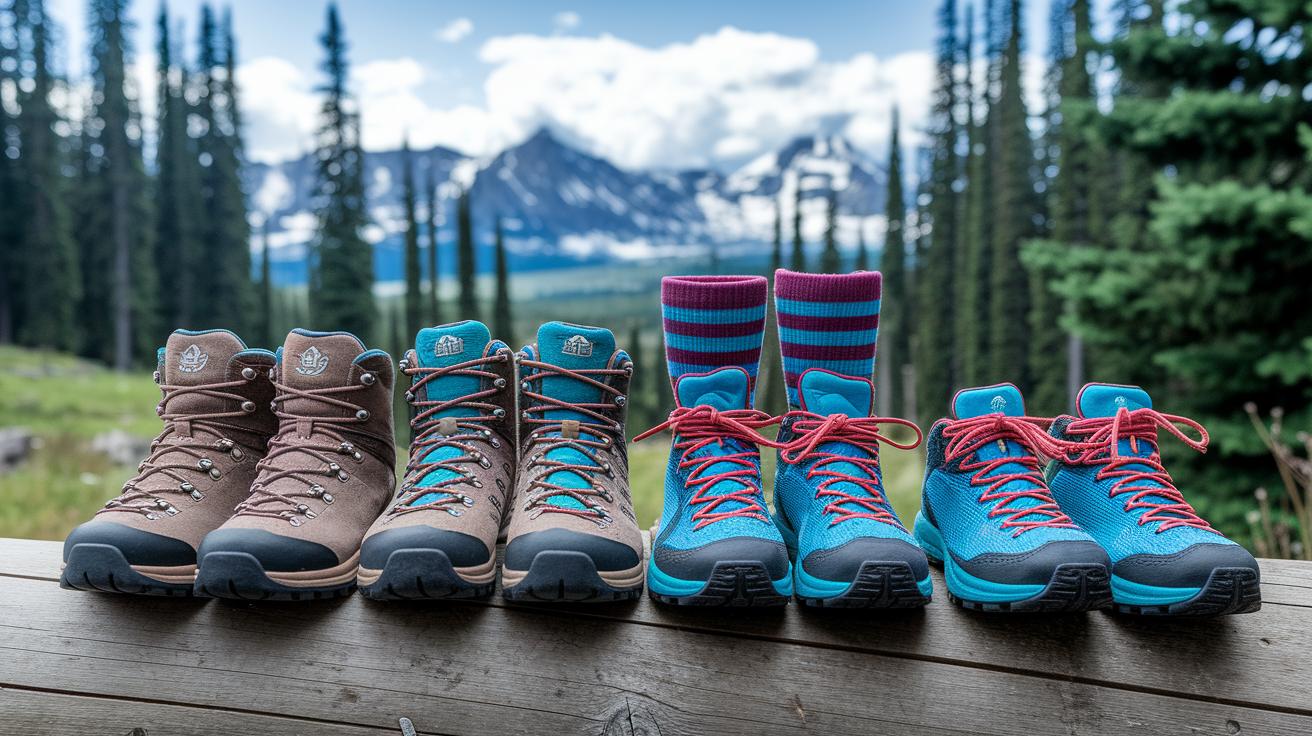
When you're exploring the great outdoors, the right shoes and socks can make a world of difference. Think of sturdy hiking boots with extra ankle support, waterproof liners, and a solid tread that grips rocky trails. On lighter days, trail runners can save you from extra fatigue during easier hikes. And remember, staying dry isn’t just for the trail, it’s key when you’re unwinding at camp with friends.
- Waterproof hiking boots
- Lightweight trail runners
- Camp sandals or booties
- Moisture-control hiking socks
- Sleep or lounge socks
- Gaiters for debris protection
Taking good care of your gear goes a long way. After each trip, clean your boots and socks well and let them air out away from direct heat. Switching up your footwear between adventures helps prevent them from getting worn out, and good storage keeps them ready for your next outing. Trust me, a little maintenance now means more great days on the trail later.
Headwear and Handwear for Protection
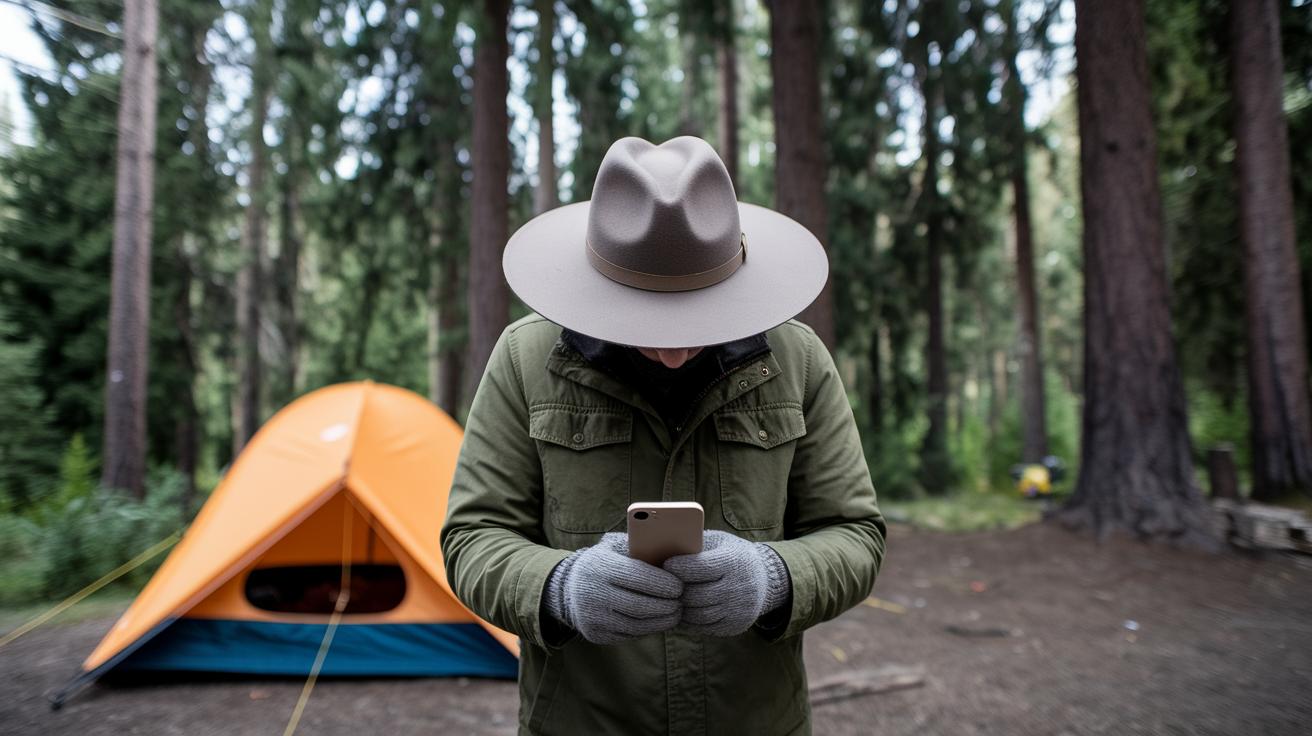
When you're out camping, protecting your head and hands can make your day so much better. A wide-brim hat blocks the strong sun and pesky bugs, giving you clear skies for your outdoor adventures. A UV-protection cap keeps your head cool while still letting in a gentle breeze. And if the wind picks up, a windproof buff or balaclava steps in to guard your face from chill and dust. When the night turns cold, a snug sleep cap adds that extra bit of warmth. Your hands aren’t left out either, a pair of waterproof gloves with removable liners or convertible insulated mittens keeps your fingers agile and warm.
- Insect-resistant wide-brim hat
- UV-protection baseball cap
- Windproof buff or balaclava
- Waterproof shell gloves with liners
- Convertible insulated mittens
Layering these accessories makes it easy to adjust as the day changes. Mix headwear made for the sun and for the cold with handwear designed for wet or frosty conditions, and you’ve got a setup that’s ready for any weather. It’s like swapping out gear on a trail, simple and effective for keeping you comfortable and ready for whatever nature has in store.
Specialized Camping Attire for Summer and Winter
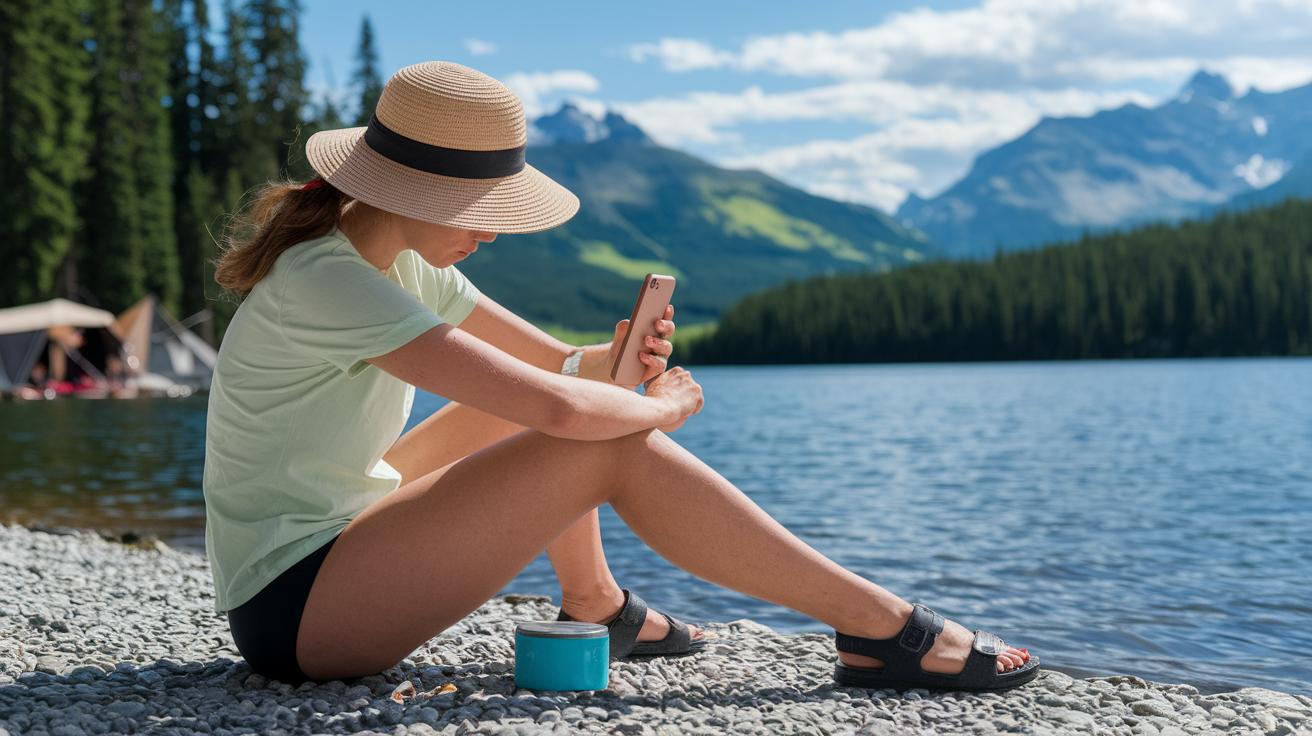
Camping out means you’ve got to dress just right for the weather. Whether you’re planning a sunny day by the fire or a chilly night under the stars, the right clothes make your adventure that much better.
When summer rolls around, you want to keep cool. Lightweight, airy tees with built-in sun protection are perfect for keeping the heat at bay. And when it’s time for a dip in a lake or a quick rinse, a good pair of swimwear and comfy shower sandals can really hit the spot. Think of it like packing a small bag for a day hike, everything needs to be light and quick-drying so you’re always ready for the next turn in your trail.
| Item | Recommended Features |
|---|---|
| Breathable Tee | Light, sun-blocking fabric |
| Swimwear | Quick-drying, comfy fit |
| Shower Sandals | Durable and slip-resistant |
When the cold comes knocking in winter, your outfit has to work just as hard as you do. Cold nights call for tough gear that keeps you warm even when temperatures drop. High-tech shells (think waterproof jackets) and insulated layers work together like a well-planned route on a frosty morning. And don’t forget, a sleeping bag rated a bit lower than the forecast helps keep the chill at bay, while smart layering means you’re toasty without being weighed down.
Picture it like bundling up on a brisk morning hike, with proper outerwear and a few snug accessories, you can face the wind and wet with a smile, ready for every crisp moment outdoors.
| Item | Recommended Features |
|---|---|
| Waterproof Shell | Fully sealed seams, handles heavy rain |
| Insulated Jacket | Built for freezing temps, filled with down or synthetic warmth |
| Cold Weather Accessories | Cozy gloves, hats, and extra liners |
Maintaining and Caring for Camping Clothing
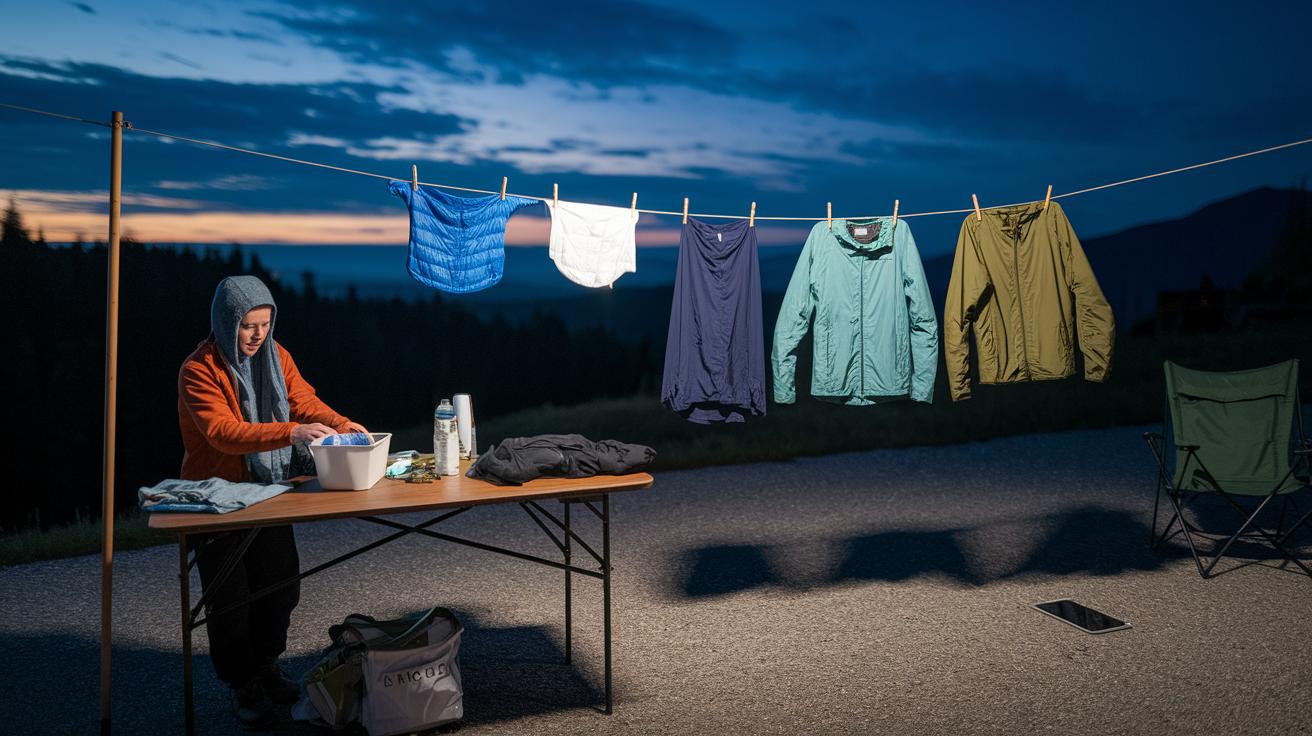
Keeping your camping clothes clean makes every trip better. After a long day outdoors, a quick wash stops nasty odors and keeps mildew far away. I always let my gear dry completely before packing it up again, it’s like giving your favorite hiking boots a nice rest after a strenuous day.
Here’s a simple guide to help you take care of your camping clothing:
| Step | Care Tip |
|---|---|
| 1 | Wash your base layers by hand after each use |
| 2 | Let your hardshells air-dry away from direct heat |
| 3 | Store your garments in breathable sacks |
| 4 | Apply seam sealer when it’s off-season |
| 5 | Pack quick-dry recycled fabrics for easy cleanup |
Using eco-friendly cleaning supplies and biodegradable detergents also goes a long way in keeping your gear in top shape, and it’s a kind nod to nature, too. Rotating your undergarments and socks not only extends their life but helps cut down on waste. Taking care of your camping clothing is just one more way to enjoy your adventures while respecting the wild places you love.
Final Words
In the action, we saw how a good set of camping clothing essentials can make all the difference. We talked about the three-layer system, layering tips for changing weather, and picking the right boots, socks, and head accessories. Plus, we reviewed special gear for both warm and cold seasons. Keeping your gear well-cared for makes every trip safer and more fun. Enjoy your next trip, knowing you're well-prepared for the outdoors.
FAQ
What are the best camping clothing essentials?
The best camping clothing essentials include a three-layer system: a moisture-wicking base, a warm mid layer, and a waterproof outer. This mix keeps you comfortable across any weather conditions.
What are recommended camping outfits for ladies?
The recommended camping outfits for ladies consist of moisture-wicking tops, cozy mid layers, and durable, weatherproof outerwear. These pieces provide style and performance for varied outdoor conditions.
What are the must-pack camping essentials?
The must-pack camping essentials feature a moisture-control base layer, an insulating mid layer, a waterproof shell, quick-dry pants, and a versatile bandana. They cover your needs from comfort to weather protection.
Where can I find a camping checklist PDF for planning?
A free camping checklist PDF is available online at BlackandBurlap. It provides a clear, comprehensive list—from gear to clothing—that guides you in packing efficiently and smartly.
What camping items are often forgotten?
The camping items often forgotten include extra socks, spare undergarments, additional camp shoes, a backup outer layer, and small accessories like gloves or hats that prove useful when conditions change unexpectedly.
What clothing is needed for camping?
The clothing needed for camping follows a simple layered approach: a moisture-wicking base, an insulating mid layer, and a waterproof outer shell. This system adapts to shifting temperatures and varying moisture levels.
What is the 200 rule for camping?
The 200 rule for camping suggests not spending more than about $200 on any single piece of gear. This guideline helps balance cost with performance, encouraging thoughtful, long-lasting purchases.