

Ever stop to wonder how the way we build can change our world? Eco friendly materials let us build in a friendlier, quieter way while cutting down on waste and energy use. They’re a lot like a well-cared-for trail, lovingly looked after by folks who mean well, easing the load on our water and air. I like to think of them as nature’s way of giving back a little more than they take. This fresh approach sparks new, green ideas that help lead us toward a healthier, more sustainable future for everyone.
Understanding Eco Friendly Materials and Their Impact

Eco friendly materials come from renewable, recyclable, and energy-saving sources. They take less water and energy to make, and they send fewer greenhouse gases into the air. I like to think of them as nature’s way of giving back a little more than they take.
When we use these materials, we’re stepping into a world of sustainable practices that cut down on waste and help our communities thrive. It’s a bit like choosing a trail that’s been cleared and maintained by everyone along the way.
These materials play right into the idea of a circular economy, where things are reused and recycled instead of constantly pulling new resources from the earth. The production process is kinder to our surroundings, helping to lower energy costs and protect the natural settings we hold dear.
By opting for eco friendly choices, we spark fresh ideas for green solutions and set the stage for a healthier, more resilient future, a future we can all enjoy like a long, peaceful walk in the woods.
Eco Friendly Materials for Sustainable Construction Projects
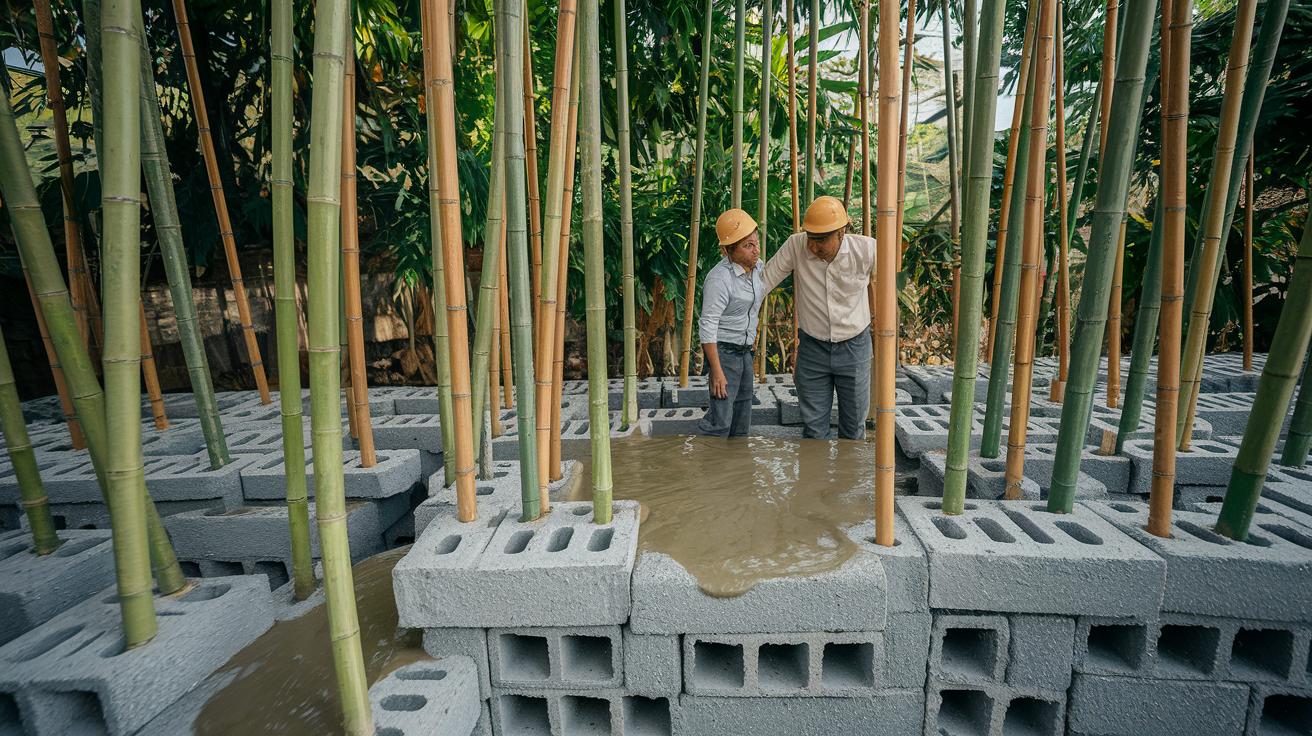
When you choose nature-friendly building materials, you're inviting both practicality and care for our planet into your projects. Bamboo, for example, grows up fast, in about 3–5 years, and serves as a natural, biodegradable alternative to traditional wood, even boasting antibacterial properties. And then there's AshCrete, crafted nearly entirely from recycled fly ash and bottom ash, which helps cut carbon emissions compared to standard cement. Ever feel amazed by how nature can lend a hand even in construction?
Then there’s Ferrock, made from recycled steel dust and ground glass. Not only does it work as a cement substitute, but it also soaks up CO₂ to reduce pollutants. Builders are waking up to these materials because they meet construction needs while protecting our natural surroundings.
Hempcrete is another cool option. It blends hemp fibers, lime, and sand into a lightweight material that gives excellent insulation, perfect for those evenings around the campfire. Meanwhile, plant-based polyurethane rigid foam, using ingredients like hemp, kelp, and bamboo, offers robust thermal resistance compared to fiberglass. It’s like nature's own way of keeping the cold at bay.
Enviroboard mixes magnesium, sawdust, and fiber cloth to create a fire-resistant lining for walls and roofs, all while keeping carbon emissions low. And mycelium products, which come from the growing part of fungi, serve as customizable, biodegradable substitutes for more common foams and plastics in insulation and door components. These choices not only help save energy during production but also lessen the overall impact on our environment.
| Material | Source | Primary Benefit |
|---|---|---|
| Bamboo | Fast-growing bamboo | Biodegradable alternative with antibacterial properties |
| AshCrete | Recycled fly ash and bottom ash | Cuts carbon emissions versus traditional cement |
| Ferrock | Recycled steel dust and ground glass | Binds CO₂ while reducing pollutants |
| Hempcrete | Hemp fibers, lime, and sand | Lightweight material with excellent insulation |
| Plant-based Polyurethane Rigid Foam | Hemp, kelp, and bamboo | Superior thermal resistance over fiberglass |
| Enviroboard | Magnesium, sawdust, and fiber cloth | Fire-resistant lining with low carbon emissions |
| Mycelium | Fungal vegetative material | Customizable, biodegradable substitute for foams and plastics |
By embracing these eco-friendly options, builders are sparking sustainable innovations while reducing waste. It's like crafting your own trail to a better future, one green step at a time.
Eco Friendly Materials in Textile and Apparel Manufacturing
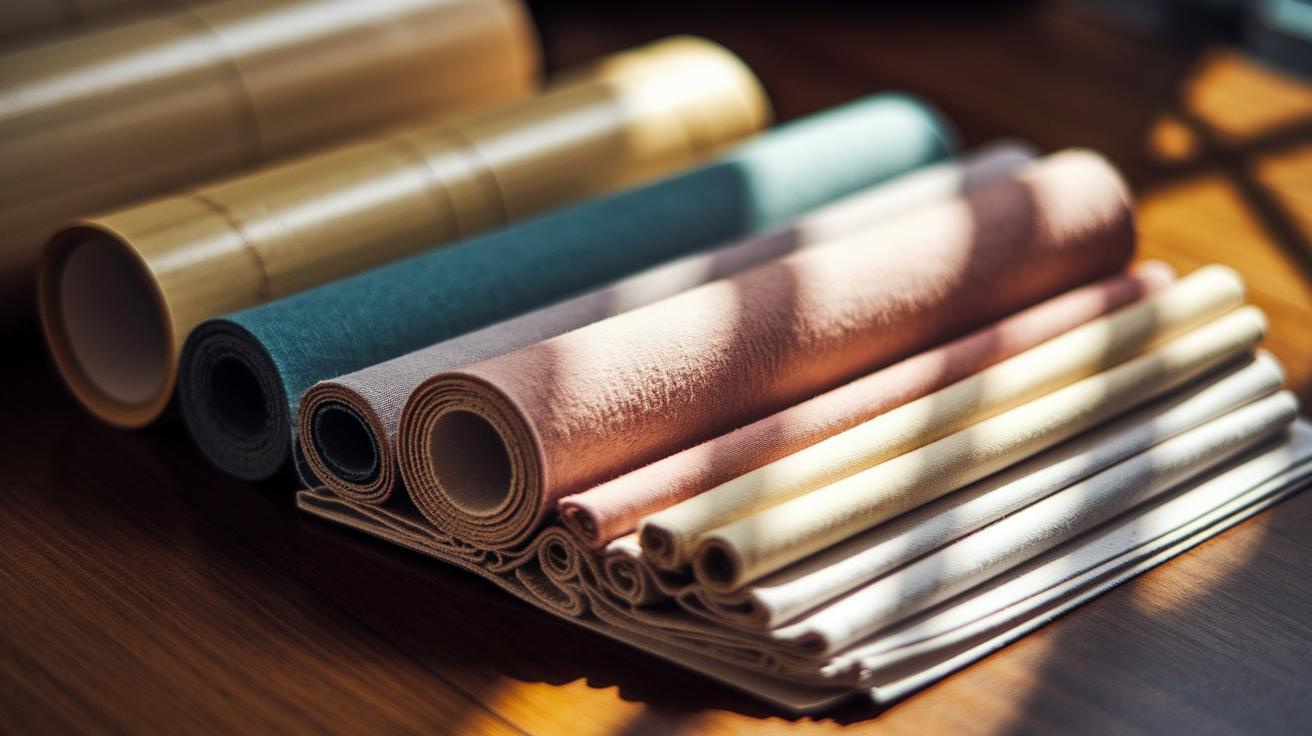
Sustainable textile production is changing the way we make and wear our clothes. Today’s industry is turning to natural fibers and green methods to create fabrics that gently tread on the environment. These eco friendly choices cut back on water use and chemical waste, making them a smart pick for anyone who cares about our planet.
Below are some materials that perfectly blend style and sustainability:
| Material | Benefits |
|---|---|
| Bamboo Fabric | Made from fast-growing bamboo, it needs little water and naturally keeps bacteria at bay. |
| Hemp Fibers | Thrives in many climates, offering sturdy textiles and even bioplastics with minimal water use. |
| Organic Cotton | Grown using natural practices that lower pesticide and water needs, resulting in a soft, safe fabric. |
| Recycled Fabrics & Upcycled Plastics | Transforms waste into quality textiles, reducing landfill load and saving energy. |
| Plant-Based Dyes & Eco Friendly Processing | Uses natural dyes and cleaner methods to significantly cut chemical pollution. |
These materials show how eco friendly textile technology can knit together style and environmental respect. Ever wonder how your clothing can make a difference? It’s about choosing fabrics that honor nature while keeping you comfortable on your everyday adventures.
Eco Friendly Packaging and Natural Cleaning Materials

Eco friendly packaging, like recyclable cardboard and paper, helps keep waste out of landfills. These materials are light and renewable, made with nature in mind. Think of using a box made entirely from recycled paper as choosing a clear, well-tended trail over one cluttered with debris, it’s safer and kinder to our planet.
Biodegradable options, such as plastics crafted from corn-starch (a natural material from corn), break down much faster than regular plastics. Imagine a bag that, instead of sticking around for centuries, quietly starts to disappear after use, much like the last ember of a fading campfire giving way to new light. This small change means less long-lasting waste and fewer pollutants burdening our world.
Plant based cleaning solutions give you a non-toxic way to clean your home or workspace by replacing harsh chemicals with naturally sourced agents. When you mix these with biodegradable additives that cut back on harm to water life, it’s like washing your gear in a crisp, cold mountain stream, keeping our waters pure and clear.
Switching to these green packaging and natural cleaners makes our daily habits more sustainable, building safer and more eco-friendly spaces for everyone.
Certifications and Standards for Eco Friendly Materials

Green building certifications like LEED and BREEAM set a high standard for energy efficiency and safe materials. They’re like a trusty trail map for builders, showing how to lower emissions and design buildings that use less energy and water all through their lifetime. Think of these standards as a checklist, making sure every part of your project meets rules that help protect our natural surroundings.
Textile certifications such as GOTS and OEKO-TEX make it clear that fabrics are crafted from organic fibers and treated without nasty chemicals. They also ensure that products are checked from start to finish, right from pulling the raw materials to the final disposal. This clear set of criteria helps makers produce clean, safe, and sustainable textiles that you can trust.
Green supply chain practices add another layer of care by encouraging traceability (knowing where every item comes from), ethical sourcing, and reducing waste. When companies follow these guidelines, they make smarter choices about materials that trim down their carbon footprint while keeping in line with eco-friendly rules.
Implementing Eco Friendly Materials in Home and Business Design

Residential Remodels
When you're giving your home a little refresh, think of it like setting up a cozy campsite. Try using materials that keep your space snug, like super insulation (really good, energy-saving insulation), high-performance windows, and airtight construction that work together to cut down on energy use. Even your roof can join in the adventure with eco smart options like solar panel tiles that gather renewable energy right on site. And don’t forget low-VOC paints, sealants, and finishes; they keep the air inside fresh and make your rooms feel healthier, almost like a cool, crisp morning by the fire. Imagine a living room bathed in natural light through energy-savvy windows that blend perfectly with efficient LED lighting. It’s like piecing together a campsite where every part works harmoniously to create a low-impact and comfortable base.
Commercial and Office Spaces
For businesses and offices, there are plenty of ways to bring that same outdoor-friendly vibe indoors. Think about installing green ventilation systems, like HRV/ERV setups (which help exchange stale air for fresh air), to keep indoor spaces crisp and energy smart. Offices can also benefit from renewable energy touches such as solar glazing and smart shading devices that partner with high-performance windows to trim energy use. Modern workspaces that use eco sustainable design materials not only reduce costs but also show a real commitment to the environment. Picture an office as a well-organized workshop where every element, from ventilation to energy-saving windows, is chosen for its efficiency and health-promoting benefits. These practical, green choices light the way for a future where design and sustainability walk hand in hand.
Final Words
In the action, we saw how eco friendly materials cut energy use, trim greenhouse gas emissions, and support sustainable building, textile, and packaging solutions. Each segment gave clear examples of how renewable, recyclable resources shape safer, healthier living spaces for both home and work. These insights remind us that using eco friendly materials makes a tangible difference while keeping projects smart and efficient. Embrace these ideas with an open mind and celebrate the positive impact they bring to our everyday environments.
FAQ
What are eco-friendly materials and products?
The term eco-friendly materials and products refer to those made from renewable, recycled, or naturally sourced ingredients. They help cut down on waste and harmful emissions, making them a smart choice for a healthier environment.
What are some examples of eco-friendly materials?
When we talk about eco-friendly materials, common examples include organic cotton, bamboo fabric, hemp fibers, recycled plastics, and biodegradable packaging. These options reduce environmental impact while promoting resource conservation.
Which fabrics are eco-friendly for clothing?
Eco-friendly clothing fabrics include organic cotton, bamboo fabric, and hemp fiber. They use less water and fewer chemicals during production, offering a cleaner alternative for everyday wear.
What eco-friendly materials can be used for school projects?
For school projects, recycled paper, biodegradable plastics, natural fibers, and plant-based dyes are excellent eco-friendly choices. They allow for creative projects that also help reduce overall waste.
What eco-friendly materials are best for building and houses?
Building and house projects benefit from eco-friendly materials like hempcrete, bamboo, and recycled composites. These materials lower energy use and emissions, with online guides available for more detailed applications.
What types of eco-friendly materials are used in packaging?
Eco-friendly packaging materials include recyclable cardboard, paper, and biodegradable plastics. They are designed to decompose faster than conventional options, reducing landfill waste and overall environmental harm.
How are eco-friendly materials made?
Eco-friendly materials are made using renewable resources and energy-efficient processes that incorporate recycled components. This method significantly reduces resource consumption and pollution, offering a sustainable alternative to traditional production.