
Have you ever been out camping and felt that uneasy rumble in your stomach? Imagine sitting by the campfire, hearing food sizzle on a stove that heats up in just minutes, and using tools that work like a charm. The right gear can make a wild meal feel a lot like home cooking. Today, we're chatting about some trusted camp kitchen gear that lets you whip up a warm, tasty meal without fuss. Check it out and see which must-haves could make your next meal under the stars truly memorable.
Must-Have Camping Cooking Essentials for Every Camper
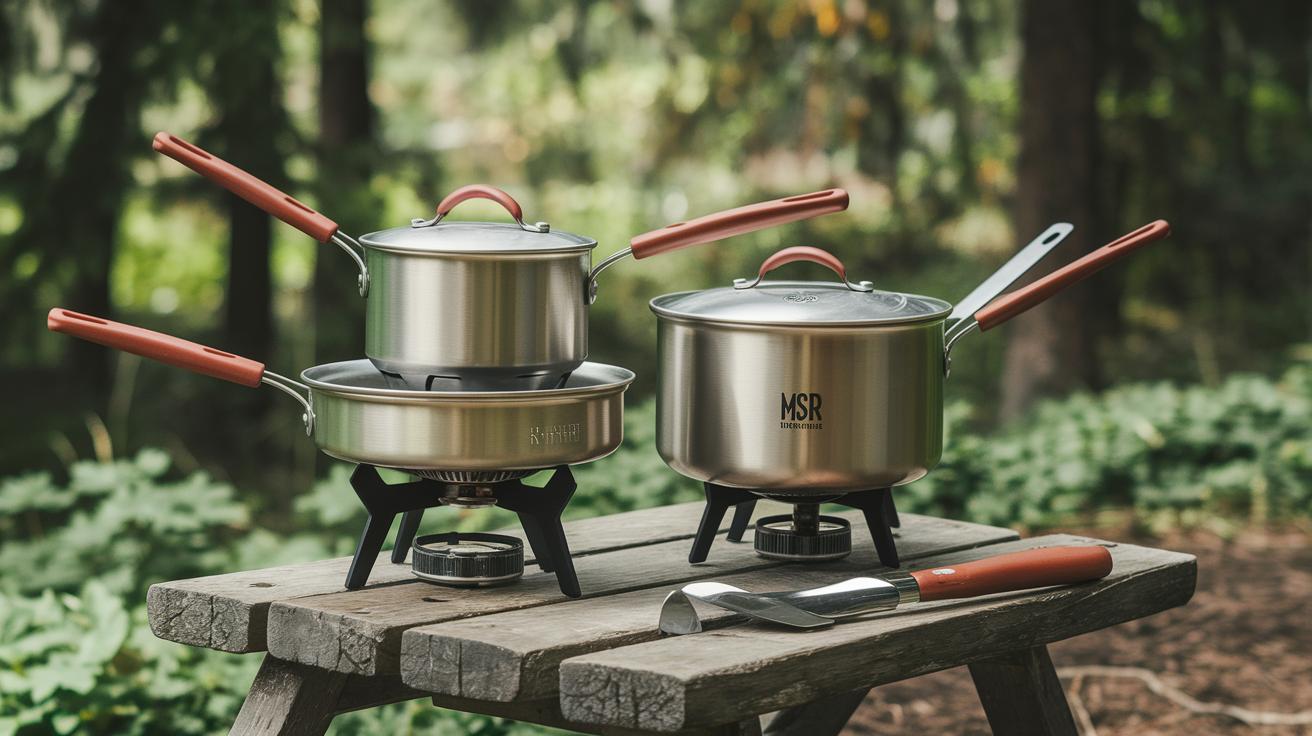
Ever been out in nature when your stomach starts grumbling and you need a quick, hearty meal? Let me share some trusted gear that makes camp cooking simple and fun. First up, grab a camp stove like the MSR PocketRocket 2 or Jetboil Flash. These stoves heat up fast (Jetboil Flash boils a liter in about 3.5 minutes!) and help you whip up a warm meal in no time.
Next, pack a cookware set such as the Sea to Summit X Set 32. It comes with a pot, kettle, and pan that nest together nicely to save space in your pack. And when it's time to stir, flip, or serve, the MSR Alpine Utensil Set is a lifesaver with its durable spatulas, tongs, and spoons. For prepping your food, a trekking knife like the Opinel No. 8 is essential, it’s sharp and reliable for safe food prep.
Keeping food fresh is a must, so a food storage cooler is ideal to guard perishables on long trips. And of course, you'll need a water jug to have plenty of water on hand for cooking and drinking, especially when nature's water sources are few and far between. If you're trying to pack light, check out the GSI Outdoors Halulite Microdualist II cookset. It even comes with insulated mugs and telescoping sporks, perfect for a light backpacking adventure.
And who can start a crisp morning without a steaming cup of coffee? A compact coffee maker will brighten those chilly dawns in the wild. After your tasty meal, a cleaning kit with biodegradable soap and a scrub pad will help you clean up with ease. Plus, a heat-resistant spatula is great for flipping foods without warping or melting. A multi-tool can opener is another smart pick, it saves space and makes opening cans hassle-free. Finally, a portable utensil storage case (like a wide-mouth water bottle repurposed for sporks and small tools) keeps everything neat and within reach.
For a printable gear list with even more detailed suggestions, check out the camping essentials checklist here: https://blackandburlap.com?p=280
Portable Stove Selection and Fuel Comparison
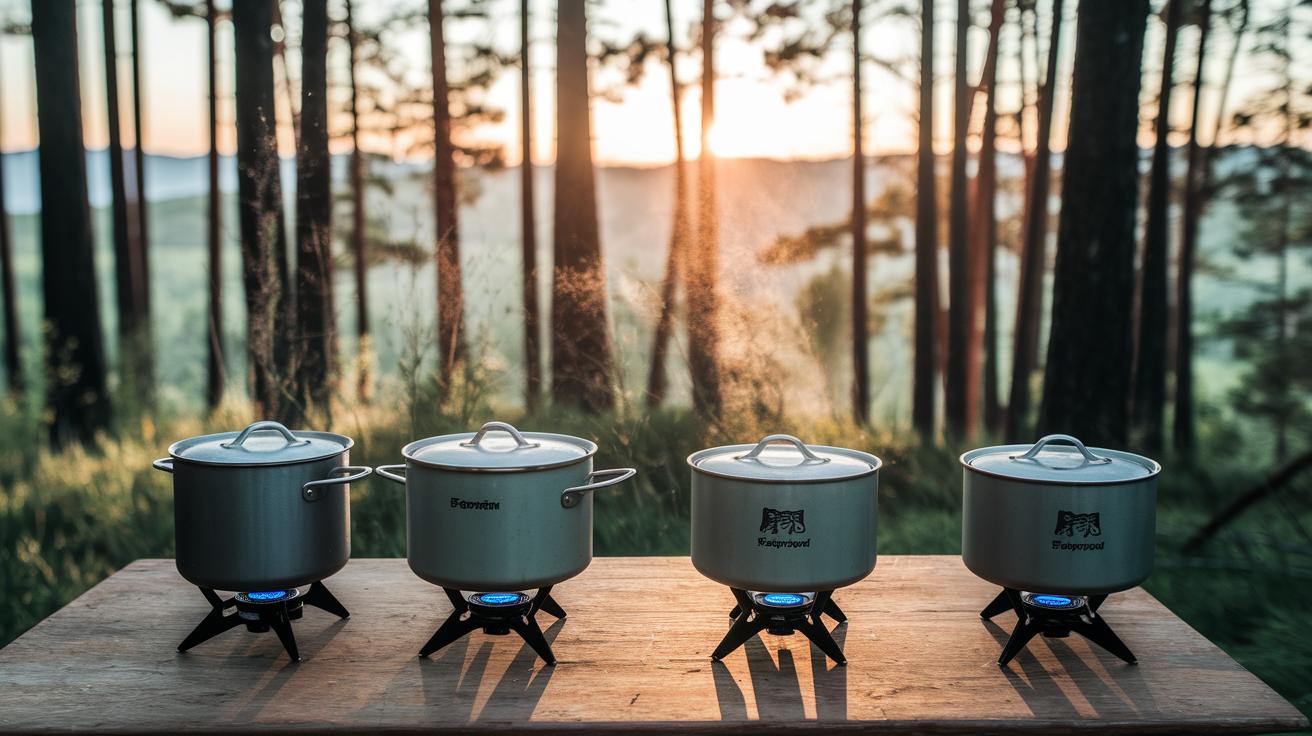
Choosing the right stove for your outdoor meal is a bit like picking the perfect trail. For a solo hike, a small one-burner stove is great – it’s light, runs on butane, and boils water in no time. If you’re cooking with friends around your car, a two-burner stove gives you extra heat so you can warm a big pot or cook more than one dish at once. Out in cold weather or high up in the mountains, a white gas stove really shines, offering fast boil times when every minute matters. And if you like having options, a multi-fuel stove lets you switch between fuel types when the weather or terrain changes.
Take a look at this simple guide to help you decide:
| Stove Type | Fuel Type | Boil Time | Weight | Best Use |
|---|---|---|---|---|
| Backpacking Single Burner | Butane | ~3.5 min/L | 0.8 lb | Ultralight, solo cooking |
| Car-Camping Two Burner | Propane | ~4.0 min/L | 3.5 lb | Family meals, group cooking |
| White Gas Stove | White Gas | ~3.0 min/L | 1.5 lb | Cold/high-altitude use |
| Multi-Fuel Stove | Butane/White Gas | ~3.8 min/L | 2.0 lb | Versatile conditions |
This chart lays it all out, so you can easily see which stove fits your outdoor cooking needs. Whether you're out on a long solo trek or enjoying a camping cookout with pals, every stove has its own charm.
Durable and Lightweight Cookware Choices for Camping

When you're setting up your camp kitchen, picking the right cookware is a big deal. Stainless steel pots are like the old reliable on a long trail, they’re tough and ready for rough handling, though they can add a bit of extra weight if you’re hiking far. Aluminum pots are super light and heat water fast, saving you time on a chilly morning. But if you’re tossing them around a lot, they might not stick around as long.
Cast iron skillets have been a trusted choice for ages, think of an old Griswold pan that’s been loved for over a hundred years. They keep heat steady for even cooking, though they’re on the heavier side and need a little extra care to avoid rust. And then there’s titanium. If you’re after the lightest gear possible, titanium is hard to beat, even if it costs a bit more and sometimes heats unevenly.
| Material | Weight | Durability | Heat Conductivity | Packing Profile |
|---|---|---|---|---|
| Stainless Steel | Medium | High | Moderate | Bulkier |
| Aluminum | Light | Fair | Excellent | Slim |
| Cast Iron | Heavy | Very High (with care) | Great Retention | Requires more space |
| Titanium | Ultralight | High | Moderate | Very Compact |
Essential Utensils, Mess Kits, and Dining Supplies
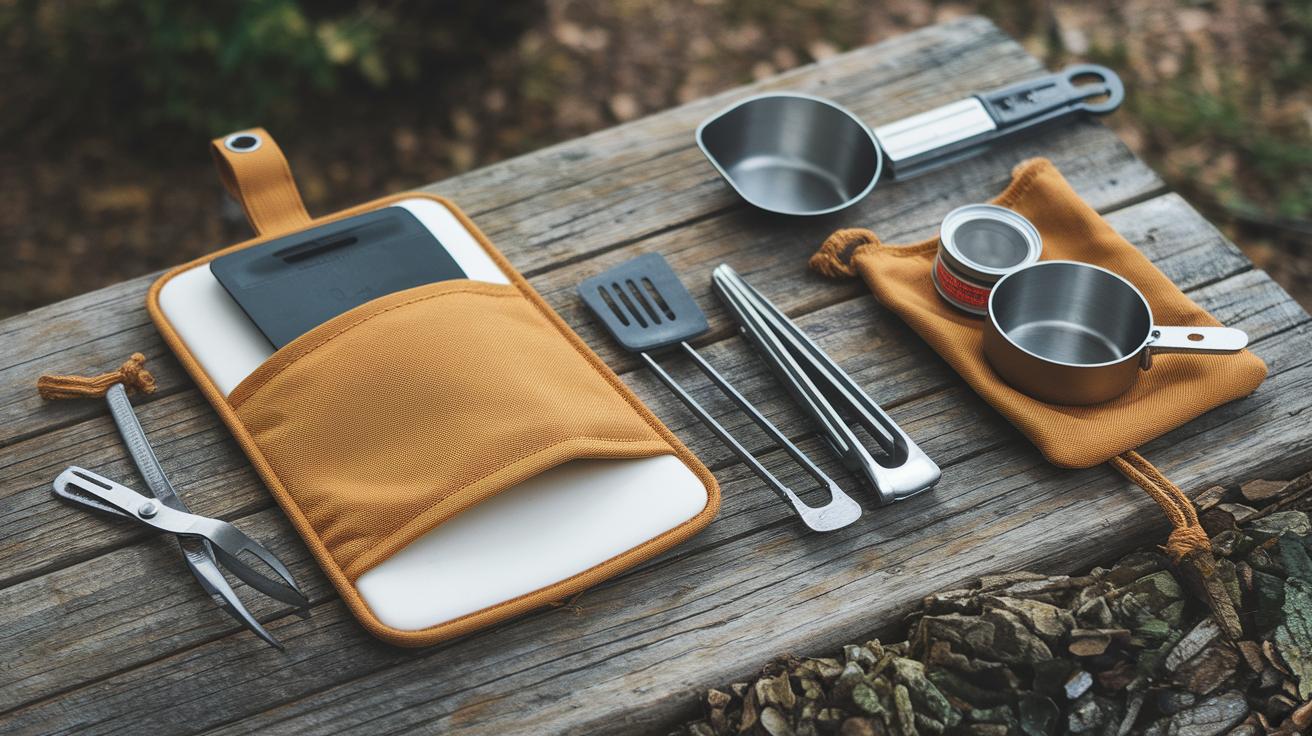
- Cutting board – a strong, flat board that makes prepping a breeze. Tuck it in a light pouch so it stays clean and dry.
- Spatula – a heat-safe tool ideal for flipping your favorite campfire treats. Keep it handy near your stove in a small bag to avoid any bending.
- Tongs – perfect for safely grabbing hot pans or even coals. Hang them with a clip so you always know where they are.
- Can opener – a compact, hand-powered tool for opening cans. Stash it in an inner pocket of your kit for quick access when hunger hits.
- Measuring cups – a neat, nesting set that helps you scoop ingredients effortlessly. Keep them together in a pouch, just like a little camp kitchen crew.
- Knife with blade cover – a sharp cutting tool that comes with a safety cover. Store it in a wide-mouth bottle to prevent any accidental cuts.
- MSR Alpine Utensil Set – a reliable, compact set perfect for daily meal prep out in the wild. Pack it in a resealable bag to keep it clean and ready to use.
- Humangear sporks – versatile utensils that work as both spoon and fork for eating and stirring. Clip them together with a small carabiner so they never get misplaced.
- Barebones Living cutlery – sturdy, modern-designed pieces built for adventure. Nest them in a designated case to protect them from scratches.
- GSI Outdoors Destination Kitchen Set 24 – a complete kit for keeping your dining space organized. Store its pieces in the original pouch after use for a tidy camp setup.
Fuel Types, Safety, and Maintenance for Camp Cooking
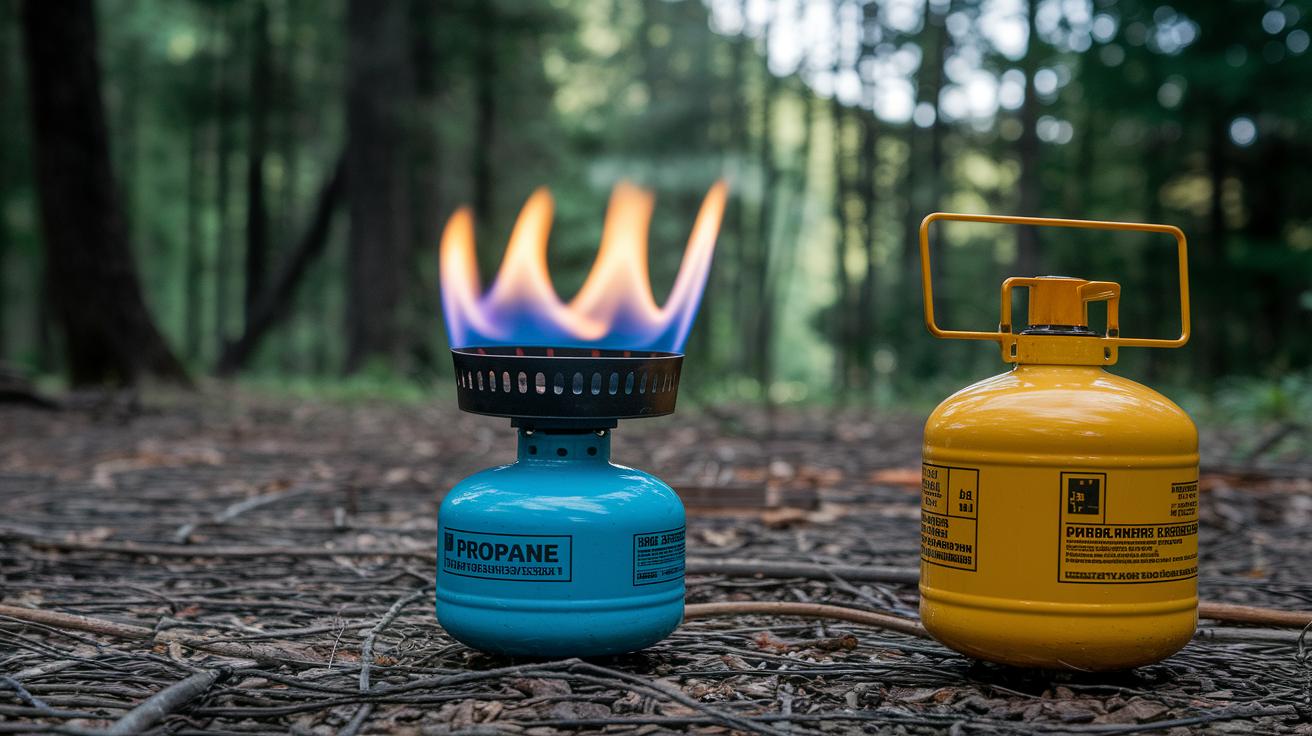
• Propane
Pros: It gives off a steady, strong heat and you can find it almost anywhere.
Cons: Those tanks add extra weight to your pack, which can slow you down.
Energy Density: Propane is high-powered and great for a fast boil.
Safety Tip: Always check your fuel for leaks before firing up your stove, and keep the tanks away from any heat.
• Butane/Isobutane
Pros: Light and efficient in mild weather, with isobutane giving off fewer emissions, think of it as an eco-friendly pick.
Cons: It can lose a bit of its oomph when it’s cold outside.
Energy Density: Offers a balanced, moderate heat that’s perfect for backpacking.
Safety Tip: Keep your canisters upright and take a quick look at the seals to ensure they’re not worn out.
• White Gas
Pros: White gas is fantastic for quick boiling, especially when you’re out in the cold.
Cons: It demands a bit of work to get started (proper priming) and can give off a strong smell.
Energy Density: It packs a high energy punch, so you can heat things up fast.
Safety Tip: Be sure to check your fuel for any signs of dirt or contamination, and store it in a cool, breezy spot.
• Wood
Pros: Wood is a green, natural choice that won’t leave any chemical residue on your gear, a real treat for nature lovers!
Cons: Controlling the flame can be a bit tricky compared to using gas stoves.
Energy Density: Wood produces less energy than gas fuels, so it might take a little longer to get hot.
Safety Tip: Always use dry, well-seasoned wood and keep it away from anything that might catch fire too easily.
• Solar
Pros: Solar power is renewable, quiet, and best of all, it won’t cost you a dime after you set it up.
Cons: It warms up slowly, especially on cloudy days when the sun isn’t shining bright.
Energy Density: With solar, your heat depends entirely on the sunlight available, so it’s pretty low.
Safety Tip: Look after your solar panels carefully, protect them from damage and store them in cool, dry conditions when you’re not using them.
Food Storage, Cleanup, and Organization Solutions

When cooking outdoors, planning for food storage and cleanup is as important as enjoying your meal. Set up separate zones for prepping, storing, and cleaning so that raw ingredients stay away from ready-to-eat foods. Imagine dividing your cooking area like sections on a picnic blanket, one spot for each step to keep things neat.
Keep your perishables chilled with a quality cooler and use big water jugs to maintain that crisp, cool air even in the heat. Group similar portions and always check for spoilage, especially when the wind picks up or the sun beats down.
For a tidy camp kitchen, start by designating a small area just for cleaning. Then, use smart storage ideas to keep your utensils in order. A portable organizer can separate knives, forks, and spoons while they dry on a dish rack. One easy method is: first, give your utensils a quick rinse; next, wash them with biodegradable soap and a scrub pad; finally, dry them off with a microfiber towel before stowing them away. This routine saves time and cuts down on any foodborne troubles.
- Quality cooler: Keeps perishables chilled even in tough conditions.
- Dry sacks: Shield dry foods from moisture.
- Bear canister: Secures food from any curious wildlife.
- Large water jug: Helps supply water for cooking or cleaning.
- Spouted pot as kettle: Makes it easy to pour water for hot drinks.
- Biodegradable soap: Cleans dishes without hurting nature.
- Scrub pad: Helps knock off stubborn food bits.
- Microfiber towel: Dries your utensils quickly to keep things tidy.
Organizing Your Camp Kitchen for Efficient Meal Prep
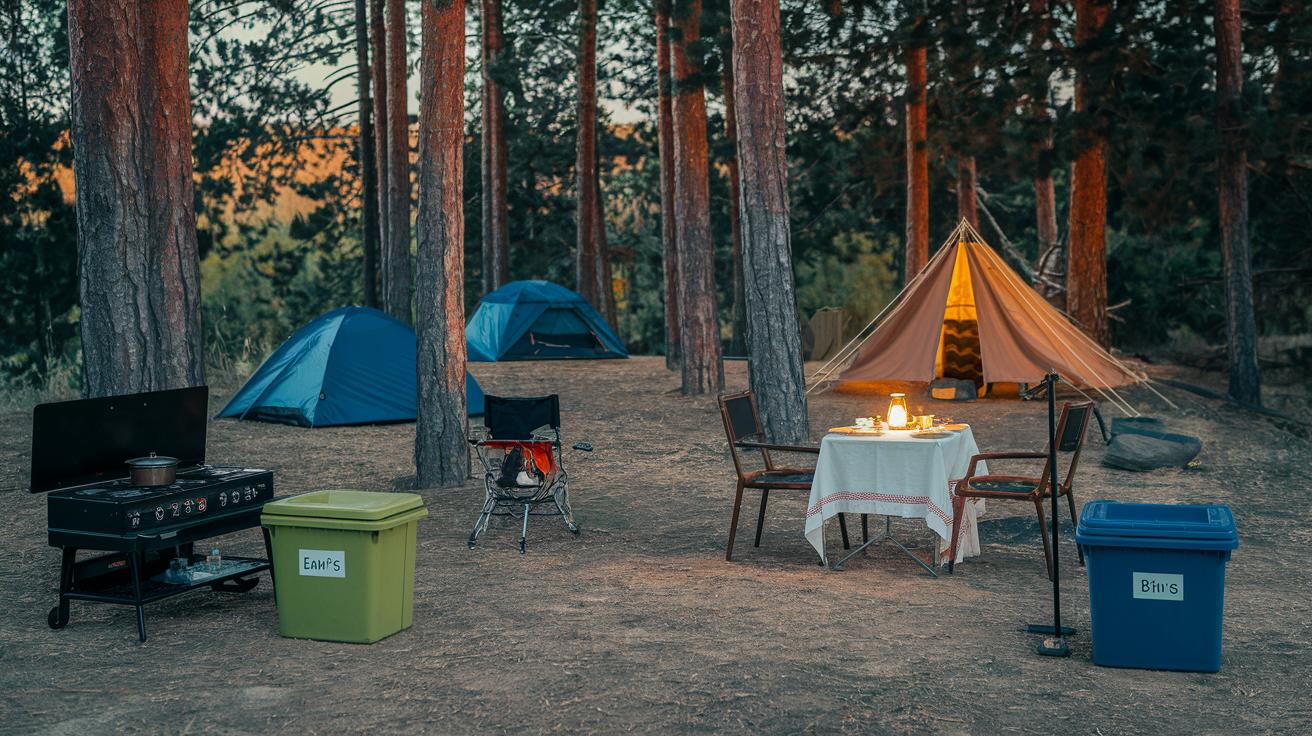
First, set up two clear zones for your camp kitchen. Create one spot for cooking where your stove, utensils, and ingredients all hang out together. Then, make a separate area for eating with a tablecloth, a bin for your utensils, and a lantern to light the space. This way, everything has its place, just like sticking to a well-marked trail.
Next, pack your items by what they’re used for. Think of it like sorting your backpack before a hike. Group together similar tools such as cutting boards, spatulas, and cups in small, labeled bins. This helps you grab what you need quickly without wasting time shuffling through a big jumble of gear.
Finally, plan for cooking after the sun goes down. Keep your key items in easy-to-reach bins and have a headlamp or lantern close by. With that reliable light next to your cooking area, you’ll be able to prepare meals under a blanket of stars just as easily as during the day.
Final Words
in the action, we’ve explored practical tools that make camp kitchens run smoothly. The blog broke down core pieces, from stoves to utensils, and outlined storage tips and safe fuel practices.
Each section reminded us that a little prep goes a long way. We hope you leave with fresh ideas for your next trip and a handy camping cooking essentials list in hand.
Here’s to many flavorful meals under the open sky!
FAQ
What do camping cooking essentials resources like Reddit and PDFs suggest?
Camping cooking essentials resources like Reddit and PDFs highlight key gear such as stoves, cookware, utensils, and storage. These ideas help you build a practical setup for tasty, easy outdoor meals.
What does minimalist camping cooking gear include and why choose it?
Minimalist camping cooking gear focuses on lightweight, multipurpose tools like compact stoves and nesting cookware. This approach keeps your pack light while ensuring you have all you need for a simple cookout.
What’s in a camp kitchen kit and how does it help while camping?
A camp kitchen kit bundles items like a camp stove, quality cookware, essential utensils, and food containers. This ready-made collection speeds up setup and cleanup so you can relax and enjoy your meal time.
How can I organize my camping kitchen for efficient meal prep?
Organizing your camping kitchen means setting up clear zones for cooking and dining. Using simple storage solutions like labeled bins and utensil holders makes meal prep easier and stress-free.
What is the REI camp kitchen chuck box and its benefits?
The REI camp kitchen chuck box is a smart storage container designed to keep your utensils and gear neatly organized. It cuts down on clutter, letting you quickly find what you need during meal prep.