

Have you ever thought about how spending months on a winding trail could change your perspective? Thru hiking feels more like living one long, engaging story than just taking a simple walk outdoors. Imagine swapping your everyday rush for quiet moments under a vast sky, where every step brings both a challenge and a reward. This kind of journey tests your body and opens up new parts of your heart as you wander along breathtaking paths. Keep reading to find out how this adventure might just shift your entire outlook on life.
thru hiking Bliss: Epic Scenic Trails
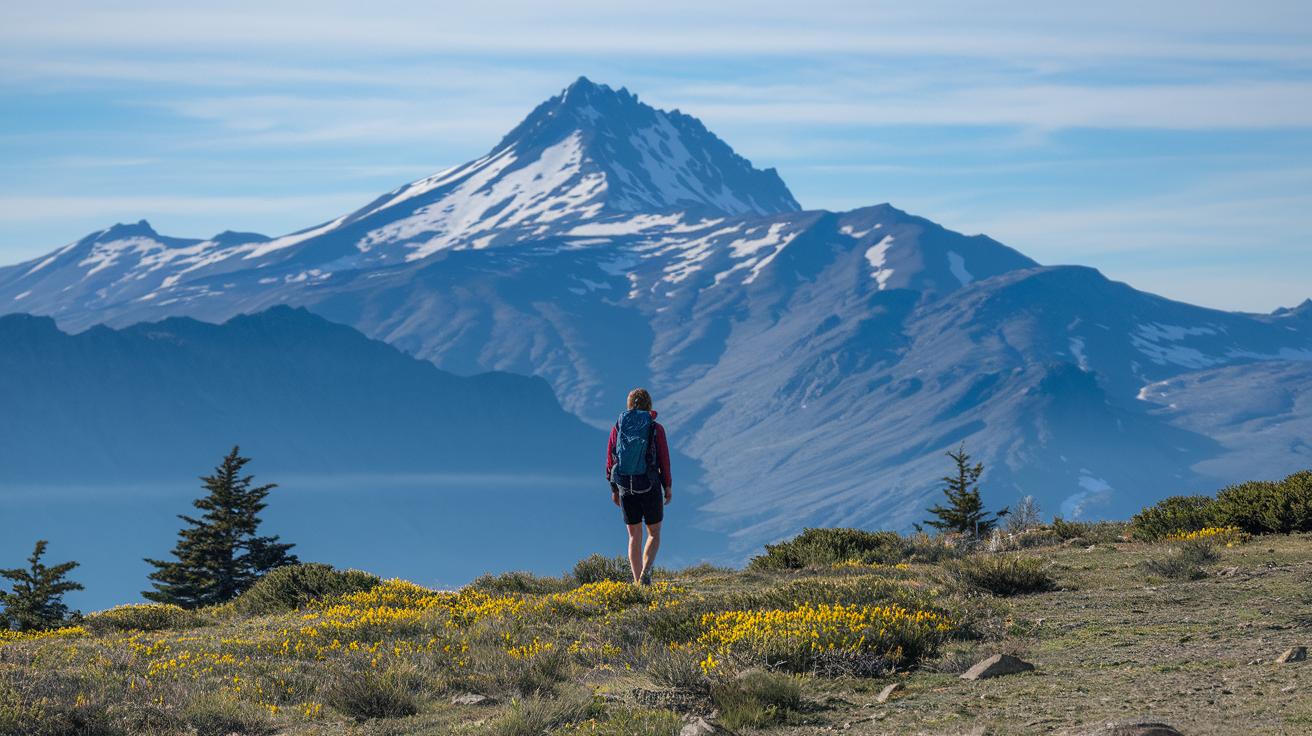
Thru-hiking isn’t just a journey, it’s a full-on adventure where you cover an entire long-distance trail in one go. Take the Pacific Crest Trail, for example. It stretches 2,654 miles and can take around six months to finish. Imagine it like reading one long, captivating book instead of a bunch of short stories. One hiker once discovered that nearly every mile brought a new challenge, from sudden downpours to a stray rock that changed the whole pace.
Every hiker writes their own story with no strict routine, making each journey truly unique. You’ve got to plan well, gather the right gear like ultralight shelters and specialized backpacks and map out your route so you can handle daily distances and find good rest spots. It’s all about mixing solid planning with the freedom to let the trail guide your adventure. With these essentials, the trail becomes more than just a path to an endpoint; it’s a place where you grow and collect unforgettable moments.
Planning Your First Thru Hike: From Concept to Trail
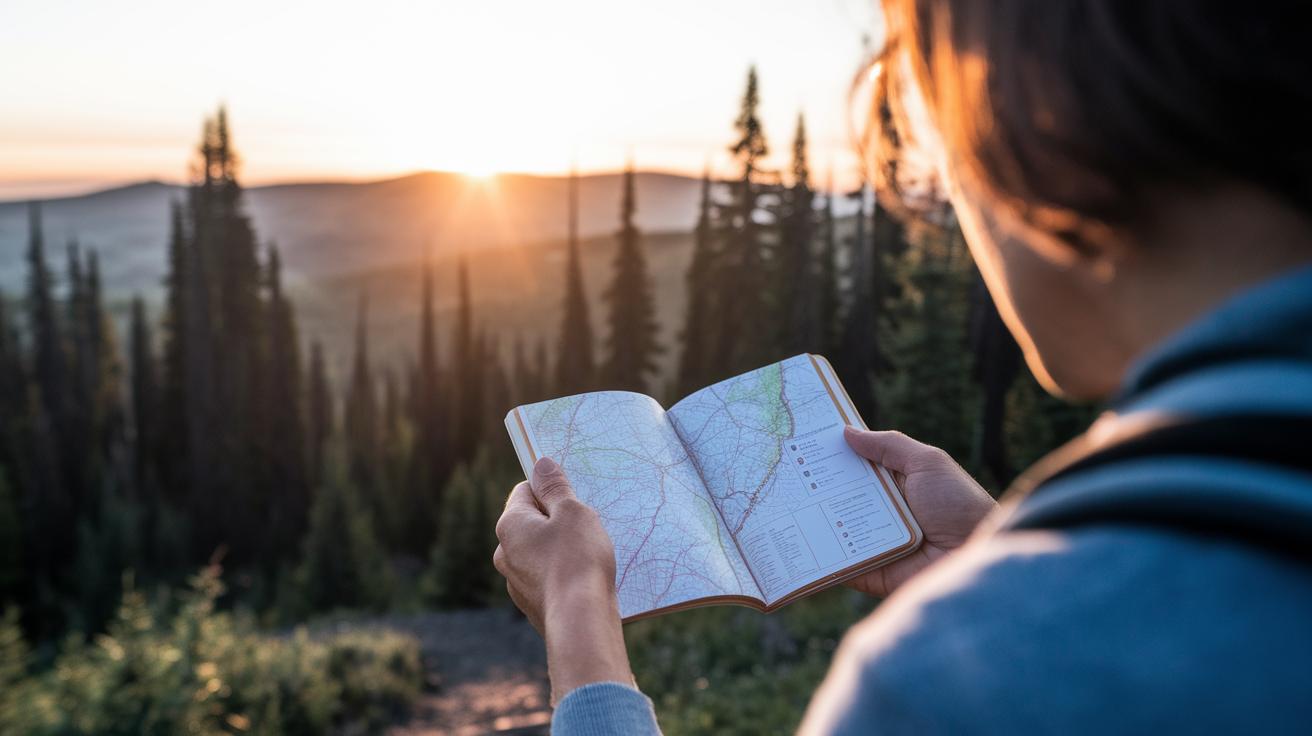
When you set out to plan your first thru hike, it all starts with a clear, step-by-step plan that feels as natural as charting a course through your favorite trail. First off, pick a trail that matches your fitness level and comfort. Think about a path with a mix of smooth stretches and a few challenges that lets you cover around 15–20 miles a day. Imagine saying to yourself, “I’ll walk on a quiet trail until the sun starts to fade, and then I’ll stop to take in the view.” That simple idea can guide your daily journey.
Next, break your adventure into bite-sized pieces. Sketch out a timeline where you mark key spots and decide on days for rest or stops to refill your supplies. It’s like mapping out little campsites along your route, rest days help you recover, and resupply days make sure you’re stocked up on all the essentials. Using a route mapping tool can be a big help to see your plan laid out clearly and pick the perfect spots to take a breather.
After you’ve got your basic outline, be ready to tweak it as you go. Weather, trail conditions, or just feeling off pace might mean you need a backup plan. Keep a printed copy or a digital version handy so you can adjust on the fly if nature throws a curveball your way. Picture it like piecing together a trail map: each checkpoint is a small victory that brings you closer to soaking in every bit of the great outdoors.
Remember, the best trails feel personal. Keep your plan loose enough so that every step feels both doable and rewarding, a true adventure where you control the pace and enjoy every moment along the way.
Gear Selection for Thru Hiking: Backpacks, Shelters, Footwear
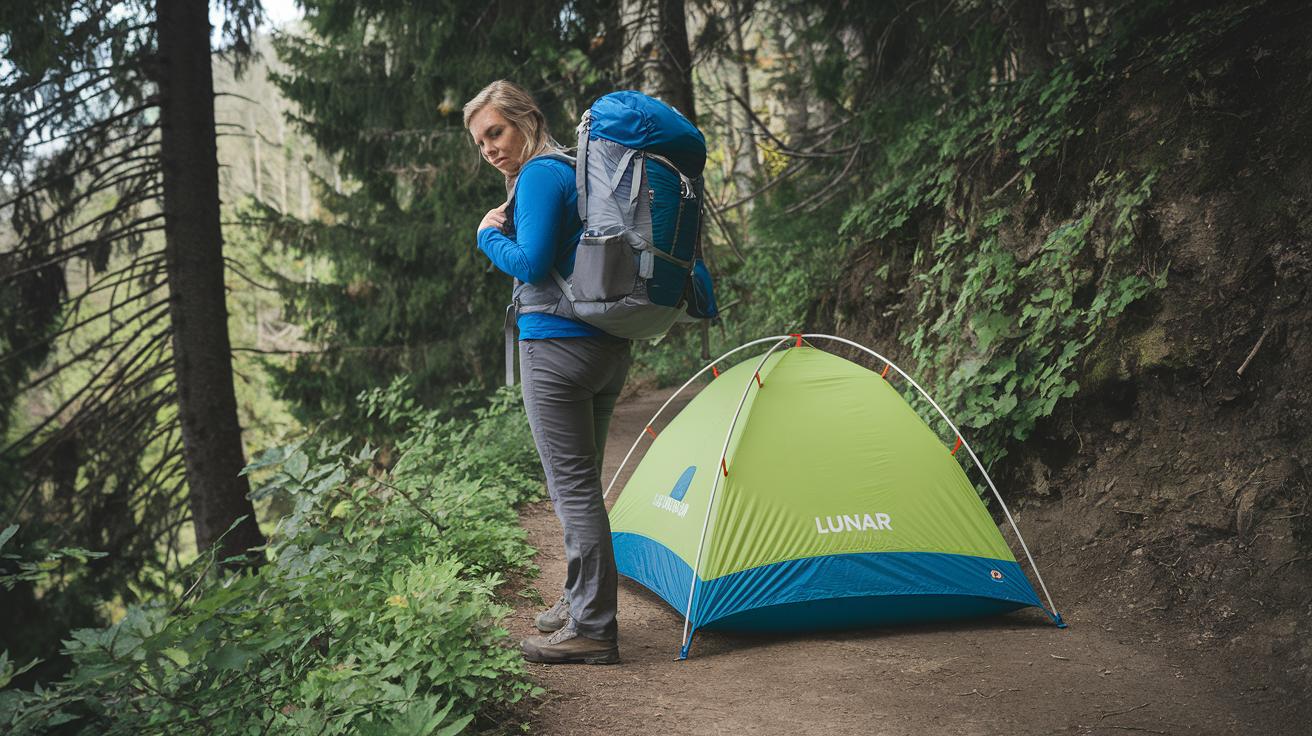
Choosing the right gear for a thru hike can feel like packing for a long, adventurous journey. Start with a backpack that suits your load. Most come in either 30-liter or 50-liter+ sizes. Imagine a 30-liter pack that's light and easy on long trails. And don’t forget to check that the fit stays comfortable when you adjust your load.
Next, consider your shelter. Ultralight tents like the Lunar Solo and Lunar Duo mix a low weight with great protection. Even a simple tarp like the Gatewood Cape or Deschutes Tarp gives you enough cover when the sky turns gray. One hiker even said, “I set up my Lunar Solo tent on a cool, breezy night, and it felt like my own safe bubble, even with a sudden drizzle.” Sounds pretty reassuring, right?
Now let’s talk about footwear. Hiking shoes should do more than just keep your feet dry. Look for waterproof, breathable trail shoes that have proven themselves on tough routes like the Colorado Trail. It’s like having a pair that truly understands the rhythm of your steps. And pairing those shoes with a good hydration habit, maybe a SmartWater bottle, helps keep you balanced on every mile.
Before you embark on that big trek, try a test hike. A 30-mile run on North Carolina’s Art Loeb Trail, for example, can show you if your gear works as expected.
| Gear Type | Key Features |
|---|---|
| Backpacks | 30 L vs 50 L+; balance capacity with weight |
| Shelters | Ultralight – Lunar Solo/Duo, Gatewood Cape, Deschutes Tarp |
| Footwear | Waterproof, breathable; built for real trails |
Test your gear on a few shorter trails first, and trust that each piece will prove its worth on the big adventure. Happy hiking!
Nutrition & Conditioning for Extended Thru Hikes
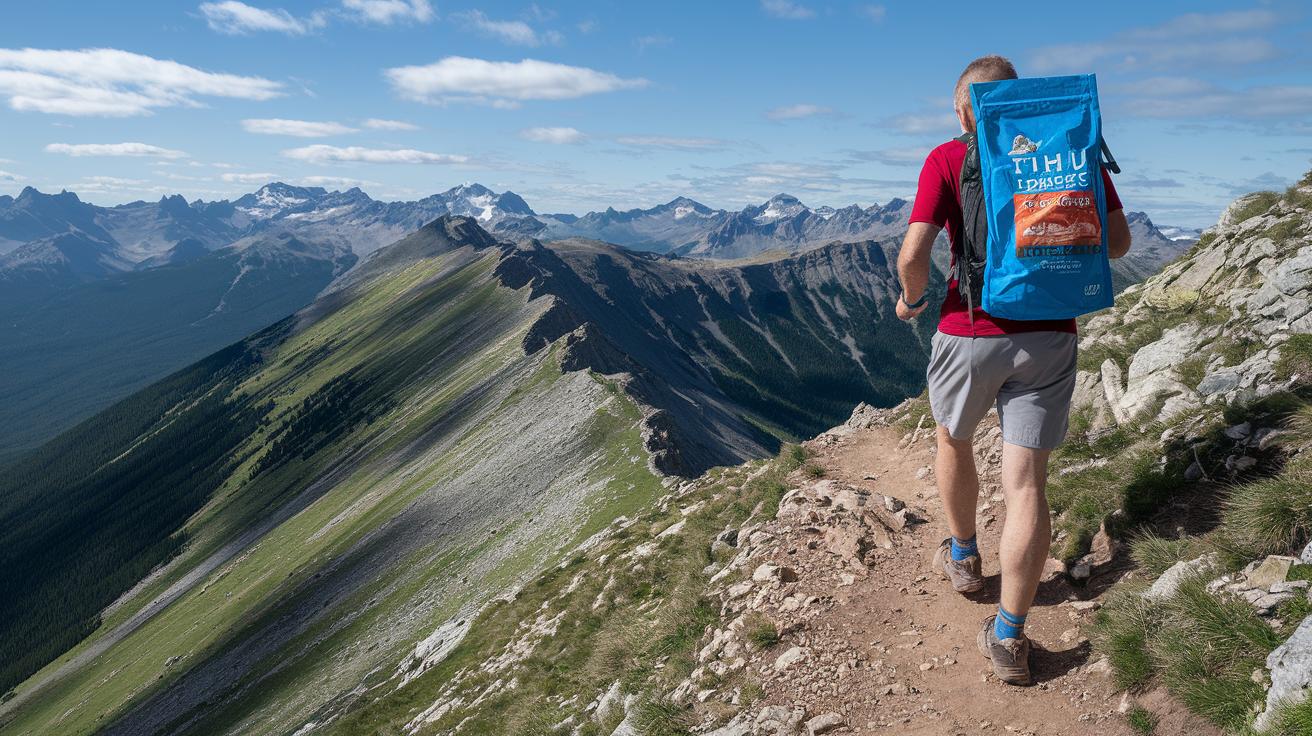
When you're setting out on a long trail, you need to pack food that’s both light and super energizing. You might grab a single-serving tuna pouch (only a couple times a week to avoid too much mercury) or even a salmon pack to keep things safe. Often, you'll find yourself munching way more than a standard serving, sometimes eating five times the usual amount, to hit that 3,000–5,000 calorie goal. Picture it: a small, unassuming packet that might seem like a snack, yet it fuels you through 20 tough, winding trail miles.
Staying strong physically is just as key as keeping your energy up. Many hikers work up to an average of 20 miles a day, and on the really adventurous days, some push as high as 57 miles. It’s kind of like tuning your body to nature’s rhythm. Every extra mile, even if it's a 12-mile detour, feels like a chance to build up strength and grit, just like getting ready for a big climb after days on the move.
And don’t forget about your head. The trail throws surprises your way: sudden weather shifts, unexpected obstacles, or a minor injury can test you. Training your mind to see these bumps as just another part of the journey is essential. It’s like taking a slow, steady breath after a long, tiring segment. Each challenge is a stepping stone, sharpening both your stamina and your spirit for whatever comes next.
Safety, Navigation & Emergency Prep on Long Trails

When you're out on long trails, having a clear plan can be a lifesaver. Use a good old paper map and compass along with a trusted GPS app. Think of it like this: your digital app backs you up when your paper map might not be enough. It's always smart to have more than one way to keep your bearings.
The weather can change quicker than you expect. Even if the sky looks clear, pack your rain gear. Imagine being caught in a sudden downpour without a dry jacket. A waterproof vest, extra socks, and a warm layer can really make a difference. Staying dry means you stay safe and comfortable.
Sometimes, accidents happen out on the trail. A blister on a steep grade can turn a little misstep into a real hassle. Keep a small first aid kit with gauze, leukotape for blisters, and basic supplies. I remember hearing about a hiker who treated a sore foot right on the trail using these simple tools. It’s the little things that can save a lot of trouble later on.
And when things go sideways, always have a way to call for help. Keep your communication device handy and consider checking in regularly with a friend. I once heard of a hiker on a long trail who even arranged a shuttle pickup for a quick errand. Knowing local shuttle routes and having a backup plan can really ease the worry when surprises pop up.
Plan your stops, mark your checkpoints, and make sure you have a backup way to get help, whether it’s a digital map or a trusted emergency plan. These careful steps make your trail experience smoother and help you stay calm when unexpected hiccups come your way.
| Essential Gear | Description |
|---|---|
| Map and Compass with GPS Apps | A paper map and compass paired with a reliable digital tool keep you from getting lost. |
| Weather Gear | Rain gear, waterproof layers, and extra socks help you stay dry and safe. |
| First Aid Kit | A small kit with gauze and leukotape can handle minor injuries on the trail. |
| Communication Device | A phone or radio for regular check-ins and calling for help when needed. |
Iconic Thru Hiking Routes & Trail Recommendations

When you're gearing up for a long-distance thru hike, it all starts with choosing a trail that matches your pace and spirit. Take the Appalachian Trail, for example, it stretches 2,190 miles with little towns every 50-100 miles for a quick bite or a gear refill, aiming for 15-25 miles a day over about six months. Every stop adds a new page to your adventure story.
Next up, the Pacific Crest Trail. This 2,654-mile journey challenges you with its vast length and ever-changing climates. Many hikers spend around six months on it, switching from dry, sun-baked lands to chilly, snowy peaks. Each step feels like a canvas, where fiery sunrises melt into deep, reflective twilight.
If you’re after a shorter yet equally engaging adventure, the Colorado Trail might be your perfect match. Its 567 rugged miles offer high-altitude views and rocky paths that make you feel alive. And then there’s the John Muir Trail, with just 211 miles, you’ll wander through high country routes where nature’s breathtaking beauty greets you at every twist.
Venture beyond the U.S. and you’ll find treasures like the Camino de Santiago, about 500 miles that weave history and culture into every step. Or try the GR20 in Corsica, a compact 112-mile challenge that still tests your endurance. As you plan, keep in mind things like altitude adjustments on Rocky Mountain paths and the best season for clear skies and smooth trails. Every route carries its own set of hurdles and delights, painting a vivid picture of trail life that every hiker can cherish.
Sustainable & Ethical Practices for Thru Hikers

Stick with Leave No Trace rules on every leg of your journey. It’s as easy as planning ahead, taking out all your trash, and keeping your campfire small to lessen your impact. I always make sure that before I pitch my tent, every scrap of food or paper goes with me. Using sturdy, reusable gear like refillable water bottles and trusty repair kits also helps cut back on waste from single-use items.
Pick out clothes made from recycled fabrics that last. Taking a little extra care with your gear means you won’t need to replace it often, which is great for the trail and the planet. Imagine choosing a recycled-polyester jacket built to handle tough weather and long miles, it really makes a difference.
While out on the trail, be kind to wildlife and follow good trail manners to protect nature’s homes. Joining local trail cleanup events or conservation days not only keeps the outdoors beautiful but also builds a friendly network of fellow hikers.
| Practice | Example |
|---|---|
| Leave No Trace | Take out all trash and keep campfires small |
| Reusable Gear | Use durable water bottles and repair kits |
| Recycled Apparel | Choose long-lasting items from recycled fabrics |
| Community Involvement | Join trail clean-ups and local conservation events |
Building a Thru Hiking Community & Documenting Your Journey

Hitting the trail with friends can change a long trek into a fun adventure filled with handy tips and warm stories. Online groups are awesome for checking weather updates, swapping resupply ideas, and getting a bit of support when the day gets tough. Just imagine scrolling through a forum post where someone writes, "After a rough day, a simple tip on changing my route made all the difference." That kind of advice can really give you the push to keep moving.
Keeping a trail journal is a cool way to record your progress. Whether you use a digital app or a trusty notebook, jotting down your mileage, climbs, and little reflections turns your hike into a living story. Picture writing, "Today I tackled 18 miles and felt the crisp mountain air – a refreshing reminder of nature's beauty." Each note captures both your struggles and small victories along the way.
Local trail towns and shelters bring hikers closer together. Even if you start out solo, you might soon swap meal tips or share past trek stories with new friends. Every conversation builds a supportive network that helps you through the rough patches and cheers you on at every milestone. These bonds are as essential to your journey as any gear you pack.
Final Words
In the action, we explored what thru hiking means, from essential gear to detailed planning and safety prep. We broke down selecting the right packs, planning rest days, and keeping trails clean. We touched on staying fit, fueling up, and connecting with fellow hikers through shared stories and practical tips. All of this helps you embrace the spirit of thru hiking and hit the trail with confidence. Let every step feel rewarding as you enjoy each moment on the trail.
FAQ
What is considered thru-hiking?
Thru-hiking means finishing a long trail from start to end in one go. It involves careful planning, solid gear choices, and a flexible mindset to complete an extended route without segmenting it.
How does thru-hiking differ from backpacking?
Thru-hiking means tackling a continuous, long-distance trail in one effort. In contrast, backpacking often refers to shorter hikes with multiple stops and easier resupply points along the way.
What are the big 3 thru-hikes?
The big three usually include the Appalachian Trail, Pacific Crest Trail, and Colorado Trail. These trails cover thousands of miles and take several months to complete on foot.
What is the best thru-hike for beginners?
A popular choice for beginners is the Appalachian Trail because of its well-placed resupply towns and varied sections, which help new hikers settle into a steady pace along the route.
Where can I find community advice on thru-hiking?
Online forums like Reddit and recommended thru-hiking books offer firsthand tips, practical advice, and motivational stories from seasoned hikers to help plan and refine your route.
What should I look for in thru-hiking shoes?
Thru-hiking shoes need to be waterproof, breathable, and durable to handle different terrains and weather conditions. They should provide solid support for long days on varied trails.
What popular thru-hiking routes exist in the USA and Europe?
In the USA, trails like the Pacific Crest and Appalachian Trails are well-known. Europe offers its own well-loved long trails that deliver diverse scenery and a mix of flat and challenging paths.
How can I find thru-hikes near me?
Check local hiking groups, trail finder websites, and park service resources. These sources can point you toward long-distance trails in your region that match your skill level.