

Ever wonder if the old way really sets us up for a greener future? Sustainable education lights the way by mixing hands-on work with local know-how. Imagine your school as a workshop where each lesson plants a seed for a healthier planet. It’s like making small, everyday choices that add up to big changes. At home and in class, we're taking simple steps to build a lasting, cleaner world.
Understanding Education for Sustainable Development: Definitions and Frameworks
Education for sustainable development is all about giving folks the tools to shape a greener future. It mixes classroom lessons with real-world, hands-on practice, like learning how to set up camp and enjoy the crisp air around you. It takes the idea of living in balance with nature and proves that small, local actions can add up to big changes around the globe.
Around the world, many teachers follow UNESCO’s guidelines that tie into 17 global goals. Here in the U.S., schools and communities team up through the U.S. Partnership for Education for Sustainable Development to weave these ideas into everyday life.
| Key Element | Description |
|---|---|
| Values and Ethics for Sustainability | Following principles that respect nature and people |
| Interdisciplinary Learning | Mixing ideas from different subjects to see the full picture |
| Student-Centered and Participatory Pedagogy | Putting learners in the driver’s seat, like planning your own route on a trail |
| Local and Global Community Linkages | Connecting your backyard to the wider world |
| Continuous Evaluation and Reflective Practice | Regularly checking and learning from your journey |
The local vibe makes a huge difference in bringing these lessons to life. No single model fits every trail. Educators adjust their lessons so they match the community’s culture, weather, plants, and everyday needs. In truth, schools and policymakers join forces to blend global ideas with local details.
This approach keeps learning about sustainability real, lively, and straight from the heart. Each class finds a way to connect big ideas with local experiences, helping you pick up genuine skills for a brighter, greener tomorrow. With careful planning, steady improvements, and clear guidance, education on sustainability becomes both practical and engaging, ready to tackle real-world challenges.
Core Principles of Education for Sustainable Development

Having solid guiding principles helps learners understand why sustainable thinking matters. Simple rules guide teaching, making it easier for teachers and students to work together to create a greener, better world.
At the heart of these ideas are methods that put learners first. They invite students to get hands-on, just like mapping out a new trail on a sunny weekend. Everyday lessons on sustainability and global citizenship help students feel they belong to a big, caring community.
In eco-friendly classrooms, creative ideas bloom. Teachers use fun, interactive activities, like role-playing local environmental decision-making, to spark new ways of thinking. Classes become a place where talking about ethics and nature turns into real-life steps for protecting our world.
We also weave social responsibility into learning. Teachers show trust and respect, sparking a spirit of change. Ever joined a project to clean up your neighborhood park? That’s what it’s about, working together on local projects that make our communities even better.
Integrating Education for Sustainable Development into Curricula: Approaches and Examples
Teachers are now blending fun, real-world projects into everyday lessons, inviting students to step outside and feel nature’s pulse. They mix science, art, and hands-on work so kids can see eco-friendly ideas come alive right in their usual subjects. Imagine a school garden project or a cool renewable energy experiment where each small change helps shape a brighter future.
These methods really shine when lessons are interactive. They pull course ideas together naturally and urge students to take what they learn back into their own communities. It’s like planning a trail adventure, each step builds on the last, leading to a rewarding journey.
| Integration Approach | Description | Education Level | Sample Activity |
|---|---|---|---|
| Renewable Energy Module | Adds simple renewable energy ideas into science classes | Secondary | Building a basic solar panel model |
| Climate Fixes Project | Involves students in solving real-world climate challenges | Secondary | Creating local climate action plans |
| Interdisciplinary Course | Merges STEM with the arts by exploring sustainability topics | Higher Education | Service-learning with local energy projects |
| Eco Hands-on Activity | Focuses on practical tasks that support quality education | K-12 | Planning and tending a community garden |
Each of these approaches helps make learning feel as inviting as a campfire chat, where ideas and passions spark the moment and guide students on their own eco-adventures.
Policy Frameworks for Education for Sustainable Development
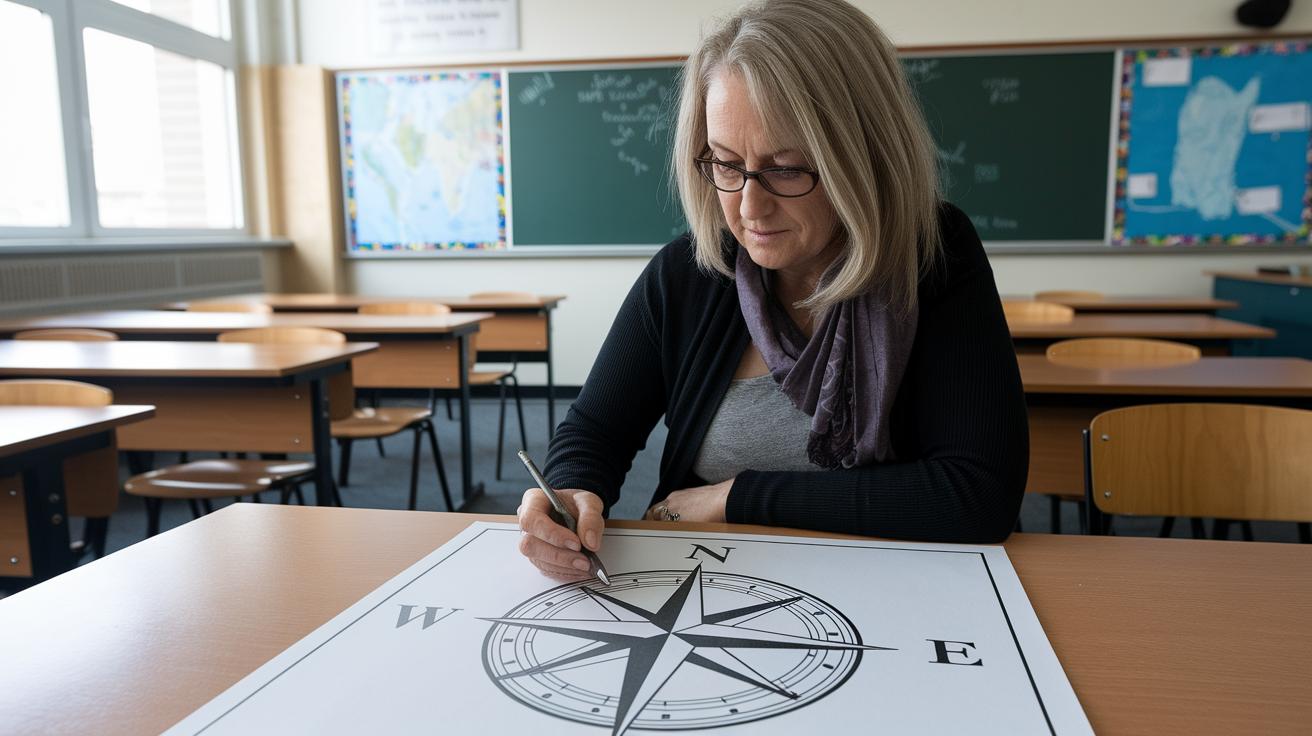
Think of strong policy frameworks like a trusty compass that guides our steps when teaching about nature-friendly practices. Global treaties and national standards work side by side, much like dependable hiking companions, to help teachers and schools weave green ideas into everyday lessons.
UNESCO’s policy guidance and Agenda 21 act as a clear trail map for big changes in classrooms. They lay out simple steps and tips that help countries plan lessons where learning about our natural world becomes routine, almost as natural as watching a sunset over a quiet lake.
In the United States, the Partnership for Education for Sustainable Development offers clear markers to follow. National rules join forces with local groups so that teachers, schools, and even government bodies can team up. This teamwork creates learning spaces that nurture eco-friendly practices, similar to how you’d set up a camp under a starlit sky.
Colleges and universities also add to the adventure by gradually blending sustainability into their planning and approval processes. This steady approach ensures that as classrooms evolve, they stay as fresh and green as a lively forest in spring.
Professional Development in Education for Sustainable Development
ESD professional development is all about helping teachers learn new ways to teach sustainability in fun and hands-on manners. Think of it like joining a lively workshop, getting into an exciting fellowship, or earning a solid certification that refreshes how you teach. It’s like setting up camp before embarking on a new trail, perfect for sharing your love for green teaching and trying out fresh ideas.
Many schools now offer micro-credentials and group training sessions in sustainable teaching. These programs are like little checkpoints on a favorite hike, where teachers earn credits as they pick up new methods. They give you practical tips, making it easy to blend sustainable ideas into everyday lessons.
Local groups and NGOs join in to boost teachers' skills, too. Imagine gathering around a cozy campfire, chatting about real-life environmental challenges, and swapping stories. That’s what these training sessions feel like, turning smart ideas into lasting teaching tools.
Digital platforms are a big help as well. They offer a library of ESD resources and friendly forums where educators share tips, join webinars, and keep their green skills sharp through regular online meetups.
Education for Sustainable Development Sparks Bright Change

Across many schools, kids are sparking change in how we care for nature. They dive into hands-on projects that mix classroom learning with working right in their own neighborhoods. Ever taken part in a community workshop under the open sky? That’s what these students do, joining creative projects like the "Dialogue Fixes" teams that bring outdoor conservation to life. It’s a bit like blending the crisp mountain air with the warm glow of learning.
Take school garden projects and student-led clean-up crews, for example. In school garden projects, students care for little plots, learning about plants and saving water as they create their own slice of nature. Meanwhile, student-led sustainability groups organize local clean-up days and conservation events, turning simple ideas into plans that really work. These experiences bring teamwork, quick problem solving, and a hands-on feel that you simply can’t get from a textbook.
The results are real and visible. As these young eco-enthusiasts lead local green projects, they're not only picking up useful skills but also forming tight bonds with their communities. Their work boosts eco-knowledge and helps knit schools closer to the neighborhoods they call home.
Monitoring Impact in Education for Sustainable Development Programs
Measuring how green teaching works often starts with using clear numbers that match global eco-goals. Schools and teachers watch for signs like smaller carbon footprints and better sustainability know-how. Think of these signs as trail markers that show progress and point out spots that need a little extra care. They help everyone stay focused, making sure every step in green learning counts.
Teachers and school leaders use tools like surveys, checklists, and simple indicators. These tools are like a handy map on a rocky trail, showing where a program shines and where it might need some extra attention. They even share regular reports with review groups, much like a hiker double-checks their gear before a long journey.
The data gathered from these tools opens the door for ongoing improvements. Educators use these fresh insights to adjust their teaching methods, just as you might tweak a trail to avoid a steep rock. By turning data into clear, practical steps, programs can grow and work even better. This ongoing cycle of checking, learning, and fine-tuning keeps green learning both lively and effective.
Case Studies in Education for Sustainable Development
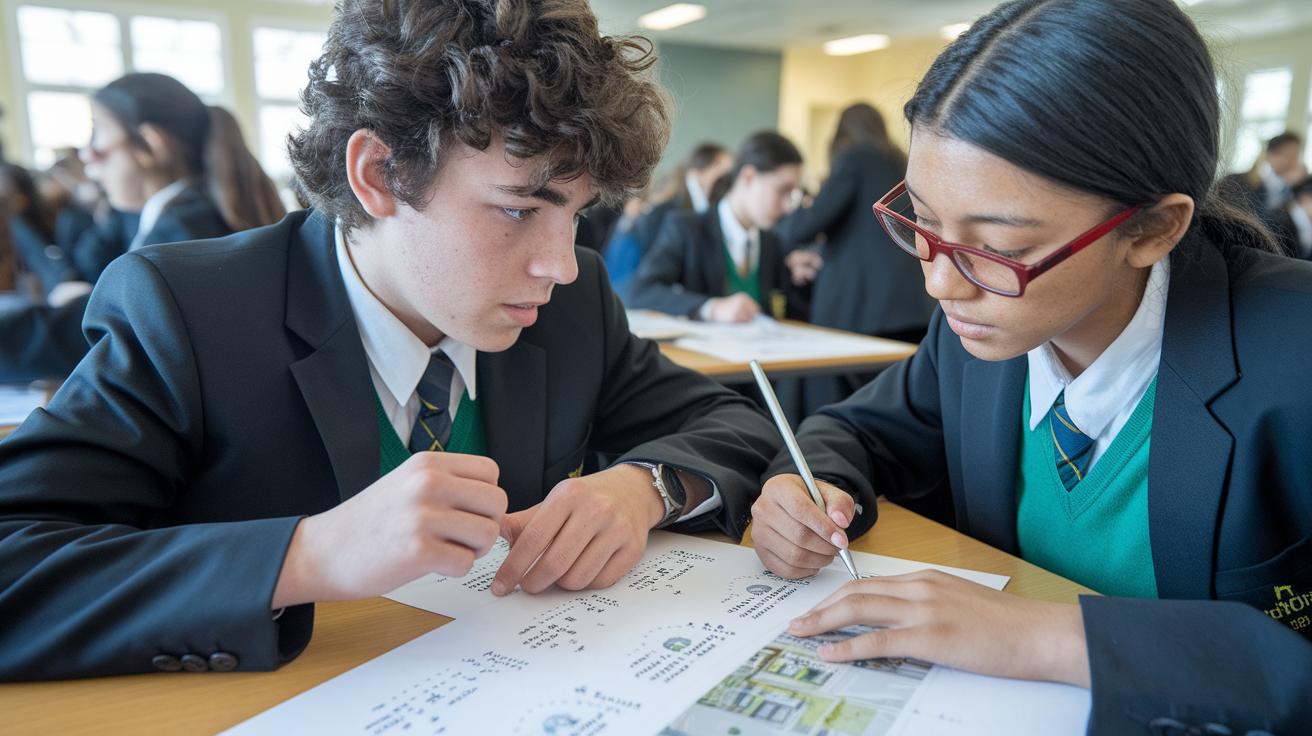
Education for sustainable development isn’t just a theory; it comes alive through real projects that make a lasting impact. These examples are like trail markers on a favorite hiking path, showing that when you mix smart ideas with local action, you get real results.
At one college, new climate courses bumped up students’ green know-how by 30%. Over in a local school district, an Energy Fixes project helped cut school energy use by 20% in just two years. Then, schools teamed up with neighborhood groups to host hands-on sustainability workshops, giving students a chance to tackle local environmental challenges up close. When programs offer step-by-step guides and invite community members along for the journey, they see quicker, more lively participation.
These cases remind us that when teachers blend practical, hands-on experiences with strong community support, the benefits stretch far beyond the classroom. They serve as a real roadmap for anyone eager to bring meaningful, eco-friendly learning into their own corner of the world, because every small step in sustainability matters.
Final Words
In the action, we uncovered key ideas behind education for sustainable development, from clear definitions and interactive classroom methods to policy support and hands-on community projects.
We touched on the pillars that inspire diverse learning tactics while connecting local actions to global goals. These practical insights help shape safe, thoughtful outdoor trips and mindful learning experiences.
Positive steps in education for sustainable development guide us toward enriched experiences both in nature and in our everyday learning.
FAQ
What is education for sustainable development?
The education for sustainable development means equipping people with skills, values, and knowledge to build sustainable futures, following global frameworks like UNESCO’s Sustainable Development Goals.
What are some examples of sustainable education?
The example of sustainable education involves lessons that include renewable energy studies, community projects, and cross-disciplinary courses, all designed to instill practical sustainability skills.
What are the effects of education for sustainable development?
The effects of education for sustainable development show improved sustainability literacy, better ethical decision-making, and stronger community engagement, which promote practical environmental change.
What competencies does education for sustainable development develop?
The competencies of education for sustainable development include ethical reasoning, interdisciplinary knowledge, critical thinking, and active involvement in community issues, all crucial for sustainable practices.
What resources, like PDF or PPT, are available for education for sustainable development?
The education for sustainable development resources found in PDF and PPT formats provide comprehensive guides and frameworks from organizations such as UNESCO and government sites, useful for curriculum development.
What is the history of education for sustainable development?
The history of education for sustainable development includes global efforts led by UNESCO and national collaborations that have shaped curricula to meet sustainability targets over time.
What is leading education for sustainable development?
The leading education for sustainable development involves innovative practices that adapt to local needs, integrate community linkages, and align with international standards, driving real-world sustainable impact.