

Ever thought about making your travels help nature and local communities instead of wearing them out? Sustainable tourism is all about planning trips that care for the earth, honor old traditions, and support small, family-run businesses. It’s kind of like building a campfire, each log gives extra warmth while leaving only a tiny trace behind. In this post, we explore simple, everyday choices that protect our great outdoors while letting you enjoy every trail and friendly smile. Ready to see how your trips can bring lasting harmony to nature?
Understanding Sustainable Tourism Practices: The Core Components
Sustainable tourism is a way of traveling that cares for nature and helps local people. It’s like setting up a cozy campsite, everything has its part. There are three big pieces: caring for our environment, honoring local traditions, and boosting local economies.
For the environment, think of it as keeping your trail clean. This means protecting nature, cutting down on waste, and saving energy. When we honor culture, we respect local customs, cherish heritage spots, and value the little things that make a community unique. And for the economy, it's like sharing warmth around the campfire, when money stays in the area, jobs grow and communities prosper.
Imagine staying in a green lodge where every detail matters. You notice how smart waste management, a love for local customs, and support for community projects blend together to create a balanced visit. It’s all like mixing the right kind of wood, keeping the fire steady, and sharing its glow with friends.
On a personal level, responsible travel is about making your own choices to leave little impact behind. But sustainable tourism goes a bit further. It involves a plan that helps whole communities and the great outdoors for the long haul. This careful planning matches global sustainability goals. Whether you’re picking a local guide or choosing eco-certified stays, every decision helps pave the trail toward a healthier world.
So next time you plan an adventure, remember: your choices matter, and together, we can keep our trails beautiful for everyone.
Sustainable Tourism Practices: Environmental Travel Strategies

When we head out to explore nature, we can help protect it at the same time. Sustainable tourism means enjoying the great outdoors while taking care of the land and air we love. It’s about making smart choices, like saving water and cutting down on pollution, as we journey along winding trails and sunlit paths.
One way to make a difference is to power up with clean energy. Think about staying in a spot that uses solar or wind power. This helps lower the pollution and keeps the air fresh for everyone.
Here are some simple tips you can follow:
- Renewable energy use: Choose spots that use solar, wind, or other clean power options to reduce pollution.
- Waste reduction: Look for places that recycle and use biodegradable materials to keep trash to a minimum.
- Water conservation: Check if the site uses water-saving tools and encourages mindful water use.
- Low-carbon transport modes: Try biking, riding electric scooters, or joining a walking tour to leave less CO2 behind.
- Off-season travel: Visiting when fewer people are around can help ease the strain on local areas.
These eco-friendly choices not only offer cleaner trails and clearer skies, but they also give you a closer, more caring connection with nature. Next time you plan an adventure, consider these ideas, you might just find that the journey feels even more magical when you’re helping the earth along the way.
Sustainable Tourism Practices: Cultural Sustainability Methods
When you travel, respecting local culture is like taking a pause to enjoy a stunning sunset on a quiet campsite. It means honoring what locals hold dear, customs, traditions, and even their way of dressing. I once heard a traveler say that wearing local clothes during a village visit made them feel like they were part of the celebration. It’s these little gestures that build trust and a genuine connection.
Teaming up with local guides really deepens your journey. Many tours now offer easy, hands-on experiences where you can join in native ceremonies, taste local dishes, and even watch traditional art come alive. I’ve even seen community-run sites hosting fun workshops where you learn time-honored craft techniques (think of it as watching history unfold right before your eyes). These tours let you feel the past and support small businesses at the same time.
Then there are tours that blend heritage with eco-friendly paths. Imagine being invited to a local festival or guided through a family-run craft studio, where every moment is a mix of living culture and nature care. These experiences not only create lasting memories but also honor the unique rhythm of local life.
Sustainable Tourism Practices: Thriving Eco Harmony
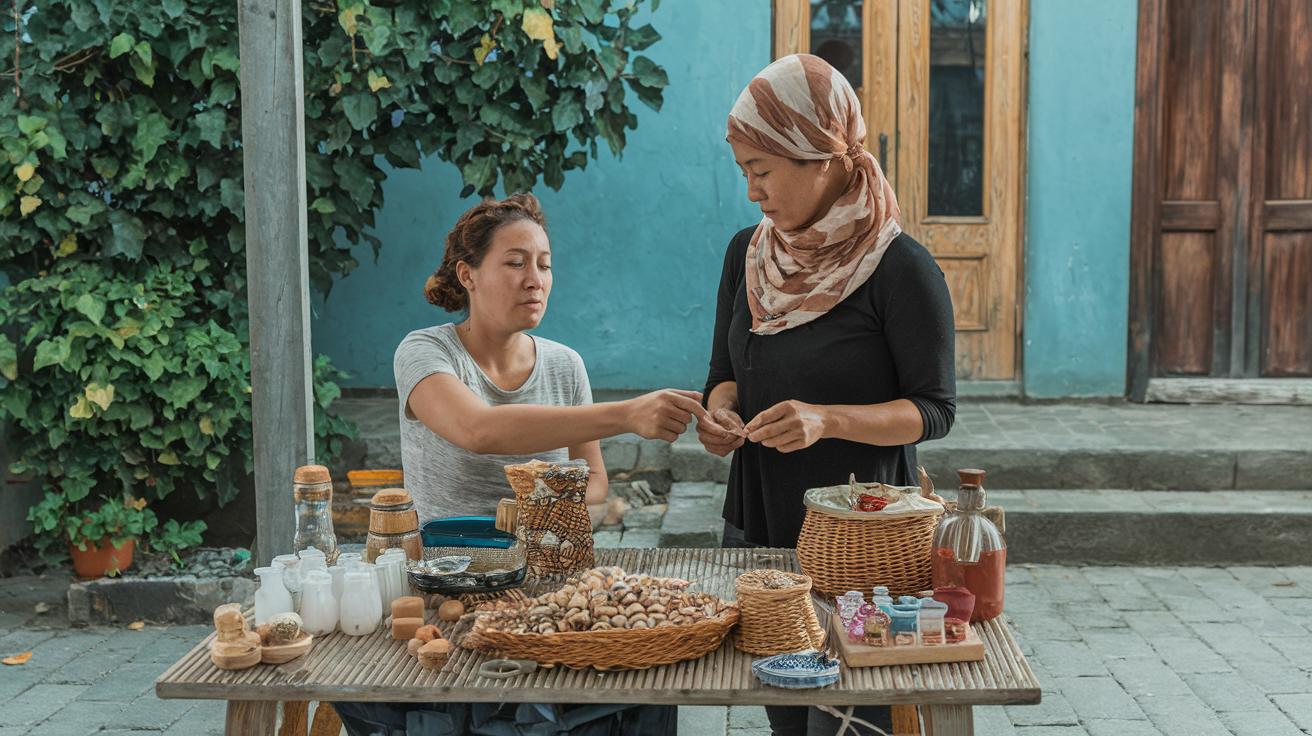
Sustainable tourism is like a lifeline for local communities. When travelers spend money right where it’s needed, up to 75% going to local vendors, it creates new jobs and better community facilities. Think of community-run homestays and eco-lodges as friendly campfires around which locals learn new skills and grow their small businesses.
| Benefit | Description | Example |
|---|---|---|
| More local income | About 75% of tourist spending goes to local vendors | Local homestay program |
| New jobs | Fresh roles in eco-lodges, guiding, and hospitality | Community eco-lodge |
| Skill building | Training in conservation, language, and hospitality | Local guide workshop |
| Poverty relief | Diverse income streams through tourism projects | Agro-tourism cooperative |
Over time, these ideas help communities become stronger. The extra income lets local businesses invest in training and resources, helping everyone grow a little more each day. In this way, every visit becomes an opportunity to boost local life and ease poverty.
When communities invest in these smart, proven strategies, like those backed by sustainable practices, they build a network of small businesses that thrive on a slow and steady pace. Visitors leave with richer experiences, and community bonds grow stronger, making a lasting impact for future generations.
Sustainable Tourism Practices: Certification Standards and Policy Frameworks
Sustainable tourism is all about respecting the natural world while still enjoying travel adventures. Clear standards and policies serve as signposts that help travel operators and destinations follow practices which reduce waste, save water, and cut down on energy use, all while giving a boost to local communities. These guidelines set tangible targets, like lowering carbon footprints and diverting waste, so you can be sure a travel provider is truly eco-friendly.
Global Sustainable Tourism Council (GSTC)
The Global Sustainable Tourism Council acts like a friendly trail guide. It stands on four main pillars: taking care of our environment, supporting local communities, honoring cultural traditions, and building a resilient economy. Their certification process checks out tourism operations to point out what’s working well and where there’s room for improvement. It’s like getting a trusted recommendation around the campfire.
EarthCheck Certification
EarthCheck Certification uses clear, science-based measures to track waste, water, and energy use. Operators review these numbers regularly and adjust their practices to lessen their environmental impact over time. For travelers, this means you know you’re choosing a place that’s constantly working to lower its footprint, much like tweaking your gear before a big hike.
UNWTO Sustainability Guidelines
The UNWTO Sustainability Guidelines offer practical tips for planning tourism in a way that looks after both nature and local cultures. They help balance the benefits of economic growth with the need to preserve natural beauty and cultural heritage. Thanks to these guidelines, destinations can manage resources more carefully and ensure locals share in the rewards of tourism.
Tourism Sustainability Indicators
Think of Tourism Sustainability Indicators as a clear map showing how well a travel spot is doing. These metrics include key facts like carbon footprint, water use per guest night, and waste diversion rates. Watching these indicators over time is like reading the weather forecast for sustainability, it helps both operators and visitors see real improvements along the journey.
Sustainable Tourism Practices: Case Study Examples of Eco-Friendly Travel

Rustic Pathways has been working with local communities for over 40 years, partnering with folks to cut back on waste, water, and energy use while creating steady jobs. They track everyday numbers like lowering water bills and reducing trash output. It’s a clear example of how small changes in resource use can improve local employment, all while nature stays in balance. For instance, hiring locals means families earn a reliable income and help preserve the natural environment.
In Bhutan, a smart off-season travel plan has made a big difference. By spreading out visits, they've managed to shift 20% of their visitors and cut resource strain by 30% during busy periods. This means quieter trails and less pressure on nature when it’s most needed. Tour operators share handy tips about the best times to visit, so both the communities and the wild lands can take a well-deserved break.
Costa Rica offers a warm and inviting story through its community homestays. Here, up to 60% of what travelers pay goes straight into local projects and cultural programs. Visitors stay with local families, getting a taste of true local life and traditions. As funds are reinvested back into the community, facilities improve and residents get more chances to share their heritage. It’s a win-win setup that helps everyone enjoy the beauty of sustainable tourism.
Sustainable Tourism Practices: Actionable Steps for Low-Impact Planning
When you're planning a low-impact holiday, start by packing smart and making travel choices that help both our beautiful Earth and local communities. Pick local guides who know the area well and help keep money close to home. Bring a reusable water bottle and skip single-use plastics to cut down on waste. Consider a slower pace with longer stays that let you enjoy the local charm without stacking up flights.
For example, choosing a relaxed schedule and eco-friendly spots to stay can make your trip feel lighter on nature and more connected to the community. You might even use handy digital tools like carbon calculators or sustainable itinerary apps to keep track of your travel footprint.
And if you're able, try blending work and adventure with remote-work stays. They give you extra time to soak in the local vibe without the need for frequent flying. These simple ideas can help you plan a holiday that leaves only a gentle mark on the environment.
Final Words
In the action, we broke down how eco-friendly travel tips guide our steps, from clear environmental strategies and cultural care to local economic boosts. We explored definitions, practical planning methods, and real examples that show how sustainable tourism practices support wildlife and communities.
We hope these insights spark your planning spirit. Moving forward, every step you take nurtures our planet and its people, lighting the way for more mindful, rewarding trips. Enjoy your adventure and safe travels.
FAQ
What are sustainable tourism practices examples?
The sustainable tourism practices examples are methods that support local economies, reduce waste, and respect cultural traditions, such as using renewable energy, recycling methods, and community-based projects.
What is a sustainable tourism practices pdf?
The sustainable tourism practices pdf is a digital document that explains how to reduce environmental impacts and boost local benefits while preserving cultural traditions and natural sites.
What are sustainable tourism practices in the world?
The sustainable tourism practices in the world include strategies that lower carbon emissions, protect natural habitats, and promote local business growth, seen in many eco-friendly travel destinations.
What is the importance of sustainable tourism?
The importance of sustainable tourism lies in its ability to protect natural sites, honor cultural heritage, and support community economies, helping maintain travel spots for future visitors.
What does sustainable tourism practices research focus on?
The sustainable tourism practices research focuses on finding ways to reduce negative environmental impacts, boost local cultural pride, and strengthen community economies through practical methods.
What are the 12 main goals of sustainable tourism?
The 12 main goals of sustainable tourism highlight targets such as lowering emissions, promoting local ownership, preserving heritage sites, managing waste, and fostering economic resilience in travel.
What are the principles of sustainable tourism?
The principles of sustainable tourism include care for the environment, respect for cultural traditions, and boosting local economies, all which pave the way for thoughtful and effective travel practices.
What are the benefits of sustainable tourism?
The benefits of sustainable tourism show in improved local incomes, better preservation of nature and culture, lower carbon footprints, and a healthier and more balanced approach to travel.
What is a sustainable tourism practice?
A sustainable tourism practice means methods of travel that reduce harm to the environment, honor local cultures, and support community economic health through thoughtful planning and respectful actions.
What are the five types of sustainability in tourism?
The five types of sustainability in tourism cover aspects of environmental, economic, social, cultural, and institutional balance, aiming for long-term health and fairness in travel environments.
What are the 5 P’s of sustainable tourism?
The 5 P’s of sustainable tourism refer to planning, preserving, promoting, participating, and protecting, which collectively help safeguard nature and cultures while nurturing local welfare.
What are the three main principles of sustainable tourism?
The three main principles of sustainable tourism center on environmental protection, cultural respect, and economic support, ensuring travel practices benefit nature and enrich local communities.