

Ever thought a simple walk in nature might truly test you? Hiking the Appalachian Trail is a mix of quiet moments and surprising encounters. Every step feels like a small adventure waiting to happen.
Imagine trekking through miles of trail with just a bit of camping know-how. A little planning not only builds your strength but your confidence, too. In this piece, we chat about how a basic plan and smart gear choices can make every mile unforgettable on one of the country’s most popular trails.
Planning Your Hiking the Appalachian Trail Adventure
Before you set off, take a moment to plan your beginning and end points. Even if you imagine the trail as a quiet escape, places like Amicalola Falls, with its famous 604 steps, prove you'll likely meet other hikers along the way. It’s a mix of solitude and shared moments that makes the journey all the more special.
Good planning is less about having the fanciest gear and more about knowing what to expect. More than half of the 2024 hikers started with only a few nights of camping experience. That shows how building confidence on the trail comes from a solid plan and a bit of research. Write down the key spots, schedule your resupplies, and mark out both the miles and the little moments that matter.
Here are a few basics to help get you started:
- Pick your start date based on the weather and your own readiness.
- Set a finish date, but keep it flexible so you can adjust for slower or faster days.
- Look up popular sections ahead of time to balance quiet moments with friendly encounters.
- Make a gear checklist that focuses on what works best for you rather than just the cost.
Make use of digital trail guides and local advice to catch any changes along the way. Interactive maps and detailed trek resources can help you set realistic goals and brace for unexpected turns. For instance, writing a note like, "Plan a meeting spot at a familiar shelter in case plans change," can make all the difference. With a thoughtful plan in hand, every step on the Appalachian Trail turns into an adventure you’ll never forget.
Segmenting the Hiking the Appalachian Trail Route

Breaking the AT into clear sections helps you keep track of your progress. The trail stretches over 14 states, from Georgia up to Maine. You can map out your days with mileage charts that show how far you might walk daily. For example, in the southern parts, you’re likely to cover 8–12 miles a day, while in Virginia, as you get stronger, you might hit around 20 miles. Imagine looking at your map and seeing, "Today: 10 miles through gentle rolling hills", it makes planning feel almost like part of the adventure.
Digital planners and PDF state maps are great tools to see the whole multi-state route at once. They help you set up your daily segments based on your energy level. Here’s what to do:
| Action | Benefit |
|---|---|
| Review state-specific maps | Spot challenging areas ahead of time |
| Check mileage charts | Know how far you’ll likely hike each day |
| Use interactive map tools | Get live updates and adjust your plan on the go |
Remember, Northern Pennsylvania is often seen as one of the tougher parts of the trail. This is a good reminder to stay flexible and adjust your route as your confidence and fitness grow.
Seasonal Insights for Hiking the Appalachian Trail
Seasons can really change your hike, you know? When you're out there between March and June, it's smart to carry extra tick remover, just like packing extra sunscreen on a bright day. Lyme disease risk is higher during these months, so take a quick break after a long stretch to check your arms and legs, and treat any bites right away.
In northern spots like Maine's tall peaks, your body might need a little time to get used to the climb. Hikers often warm up with an easy, gentle walk for about 15 minutes before taking on steeper trails. It’s much like stretching out before a long day on the path.
Water sources can be a mixed bag too. After a good rain, streams might force their way along the trail, but on dry days, they can drop off fast. Be sure to bring trusted water purification tools so you’re ready even on lean water days. This kind of planning helps keep your pace steady and your spirits high out there.
Essential Gear for Hiking the Appalachian Trail

Hiking the Appalachian Trail isn’t just about following a path, it’s about having the right gear to enjoy every step. Old hiking boots, though familiar, can soak up water and leave you with painful blisters. No one wants to spend a hike patching up wounds with Gold Bond, moleskin, or even duct tape, right? That’s why many seasoned hikers now choose lighter, fast-drying boots that keep their feet happy all day.
One smart upgrade on the trail is swapping the Sawyer Mini for the Sawyer Squeeze water filter. This newer filter cleans water quicker and fights off clogs, giving you more time to enjoy the great outdoors. On North Carolina’s 30-mile Art Loeb Trail, adventurers found that lightweight tents and packs designed with your back in mind make a huge difference. When your pack spreads out the weight evenly, every step feels a little easier.
For extra comfort, consider checking out well-reviewed backpacking backpacks at this link (https://blackandburlap.com?p=). With clever design and even weight distribution, these packs can truly change your hiking experience, making those long, mile-after-mile journeys feel more manageable.
Keep these tips in mind:
- Pick boots that dry quickly and keep moisture at bay.
- Upgrade your water filter for more efficient, hassle-free hydration.
- Choose a pack that balances weight well to ease the strain on your back.
Safety and Health on the Appalachian Trail Hike
When you're out on the Appalachian Trail, safety matters just as much as the beautiful views. Always pack a survival kit with essentials like tick remover, simple tent repair tools, an emergency blanket, and some basic meds for blisters. Imagine finishing a long day's hike and finding a small cut that starts to bother you later. A few quick fixes from your kit can make all the difference.
Wildlife safety is just as important. Stick to bear-safe tips by using a bear canister or hanging your food at least 200 feet from your campsite. This easy step helps keep unwanted animal visits at bay and keeps everyone safer.
It helps to pause and check for hazards along the way. Look out for tricky stream crossings, steep paths, or sudden changes in weather that might lead to flash floods. Taking a moment to assess your surroundings can save you from a lot of trouble later.
Here's a quick rundown of tips:
| Tip Type | Description |
|---|---|
| Survival Kit | Tick remover, tent repair tools, emergency blanket, blister meds |
| Wilderness First Aid | Basic supplies to handle small injuries |
| Wildlife Safety | Bear canisters or food hanging techniques |
| Risk Assessment | Watching for streams, steep trails, and changing weather |
Staying prepared means fewer surprises along the way. It gives you more time to enjoy the crisp mountain air and clear trails. Trust your gut, plan ahead, and remember, a little caution means a lot when you're out exploring. Happy trails!
Resupply and Logistics for Hiking the Appalachian Trail

Good planning for resupply is like knowing where your next campfire will be, it keeps you fed and moving steadily along the trail. Many hikers set up food drops or plan stops in small towns every 3 to 7 days. These spots help you get the 3,000 to 5,000 calories your body needs each day without weighing you down too much. Even a simple note like, "Resupply in two days at that small town," makes a big difference.
Budget matters too, especially when your monthly costs hit around $1,000 to $1,500. It really pays off to map out a 1- to 2-week food plan in advance. Knowing where to pick up your meals and supplies cuts down on time spent in town and keeps your spending in check. Think of each stop as a mini checkpoint, a chance to refuel and reset for your next leg.
Here are some simple tips to keep costs low:
- Check out resupply spots and compare prices.
- Buy in bulk when you can.
- Arrange mail drops to cut down on extra stops.
| Plan | Benefit |
|---|---|
| Food Drops Every 3-7 Days | Steady calorie boost |
| 1-2 Week Food Plan | Less time in town and better budget control |
Preparing Physically and Mentally for the Appalachian Trail Hike
When you're getting ready for the Appalachian Trail, it's best to train like you're already on the path. Try spending two days in a row carrying your full pack to build strength and endurance. It's a bit like getting ready for a long race, a little extra effort today makes for a smoother journey tomorrow. For instance, aim to run three miles with a weighted vest until you feel comfy with the extra weight.
Crafting a simple physical plan is key. Start out with shorter distances, fewer than 10 miles a day, so you don’t wear yourself out. Then, as the tougher sections (like in Virginia) come closer, gradually work up to 15 or 20 miles. This steady buildup helps prevent injuries and lets you adjust your pace naturally, like settling into the rhythm of a trail.
Don’t forget your mind. Building mental toughness counts just as much as building physical strength. A lot of hikers stop journaling after a few days because fatigue hits hard. Instead, set realistic daily goals and remember to treasure those quiet moments, even when the trail seems endless.
Here are a few ideas:
- Set small, clear daily goals.
- Mix tough days with easier recovery days.
- Take a moment at camp to reflect and keep your mind sharp.
Community, Culture, and Sustainability on the Appalachian Trail
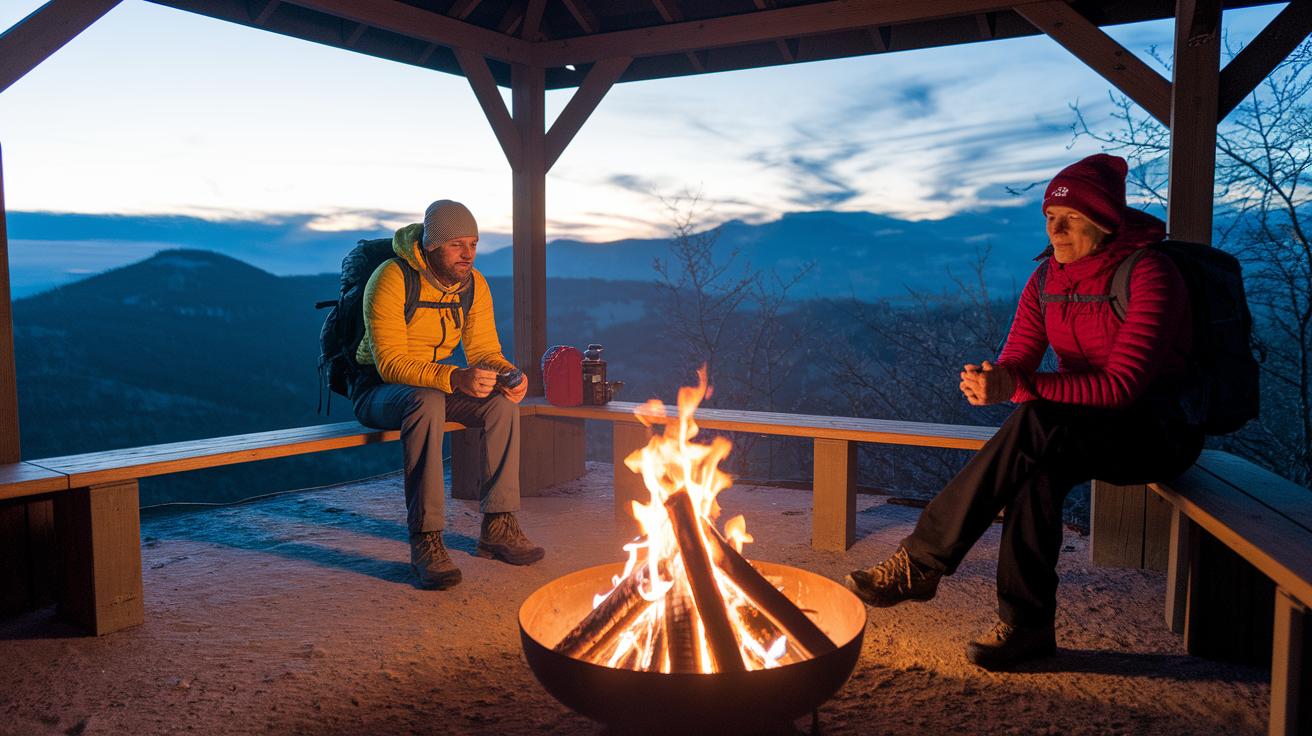
Hikers along the Appalachian Trail never feel alone. They share a warm, lively community that goes beyond just following a path. Whether it’s swapping helpful tips in a forum or chatting at a shelter, each conversation feels like sharing stories by a campfire. One hiker even said, "I learned to pack out every bit of waste from watching others. It might seem small, but it made a big difference."
Trail travelers stick to simple rules to protect the great outdoors. They follow leave-no-trace habits like carrying out all their garbage, not cutting the natural curve of the trail, and keeping campfires small to lessen their impact. Every little act adds up to help keep over 2,000 miles of trail pristine.
Many adventurers also join one-day trail crews to give the path a little extra care. These crews clear away debris and fix worn sections, keeping the trail safe and enjoyable for everyone. When people come together like this, it deepens their bond with the land and each other.
- Join local forums to swap insider tips.
- Respect nature by keeping your impact low.
- Team up with trail crews to give back to the trail.
Final Words
In the action, the guide breaks down the steps for hiking the Appalachian Trail, covering everything from route planning and seasonal tips to vital gear, health tips, and smart resupply tactics.
Each section helps you plan short daily segments while staying safe and refreshed on long days.
The tips on physical and mental readiness add a real boost.
This guide wraps it all up with practical hints meant to keep your hiking the Appalachian Trail experience memorable and positive.
FAQ
What resources, like books, maps, and Reddit discussions, can help plan an Appalachian Trail hike?
The resources include guidebooks for detailed trail insights, interactive maps for route planning, and Reddit forums where current hikers share tips and firsthand advice to help you prepare.
Where does the Appalachian Trail start and end?
The Appalachian Trail begins in Georgia at Springer Mountain and ends in Maine at Mount Katahdin, providing a cross-country route that spans 14 states with varied terrain.
How long does it typically take to hike the Appalachian Trail?
The AT usually takes between 5 to 7 months to complete, with most hikers averaging 15–20 miles daily based on their pace and chosen sections.
Can beginners complete the Appalachian Trail, and is it possible to finish in 3 months?
Beginners often succeed on the AT, yet finishing in just 3 months is very ambitious. Most hikers complete the full hike over 5 to 7 months, allowing extra time to build skills along the way.
How much money do you need to hike the Appalachian Trail?
Hikers generally spend around $1,000–$1,500 per month on food, gear, and resupply stops, though personal spending habits and route choices can adjust overall costs.
How safe is it to hike the Appalachian Trail alone?
Hiking the AT solo is common and usually safe when paired with thorough planning, emergency supplies, and connecting with fellow hikers and local trail communities.
What are some other notable long trails similar to the Appalachian Trail?
Other notable long routes include the Shenandoah National Scenic Trail, Pacific Crest, Continental Divide, John Muir, and North Country Trail, each offering its own unique terrain and experiences.