

Ever wondered if your gear might be weighing you down on the trail? Sometimes having fewer things really makes a difference. In this guide, we’ll go over what you have, figure out what you really need, and set up a budget that fits your adventure. Testing gear before you buy it might even save you some weight and cash.
Ever noticed that a few simple tweaks can make your next trip feel a lot lighter? A little planning can turn a heavy pack into something much friendlier. Read on and discover how smart choices can make your journey easier and more enjoyable, like a clear, open path under a bright sky.
Streamlining Gear Inventory, Needs Assessment, and Budget Planning
Start by taking a good look at all your current gear. Write down every item so you can easily see what's essential and what you might not need right now. For example, if you've got a trusty sleeping bag and pack but lack proper hiking boots, that missing piece stands out. This easy approach helps you set your priorities and stops you from buying duplicates or unnecessary stuff.
Next, think about renting or borrowing gear like mountaineering tents or ultralight shelters (ultralight means super light so you don’t carry too much weight) before you buy them. Testing things out this way gives you a solid feel for what works best without spending a bunch of money upfront. It’s a smart way to try something new if you're not totally sure about it.
When you set your budget, start with the basics: a comfy sleep system, a reliable pack, and boots that fit well. Only after sorting these out should you spend on extra items. Compare your options by weighing the cost against the quality. For instance, ask yourself if spending an extra $340 on a shelter that only saves a few ounces is really worth it.
Keep an eye out for off-season and clearance sales too. Discounts of 20–40% can make a big difference when outfitting your kit. This simple, step-by-step method helps you get the right gear without breaking the bank.
Backpacking Backpacks: Choosing the Right Pack
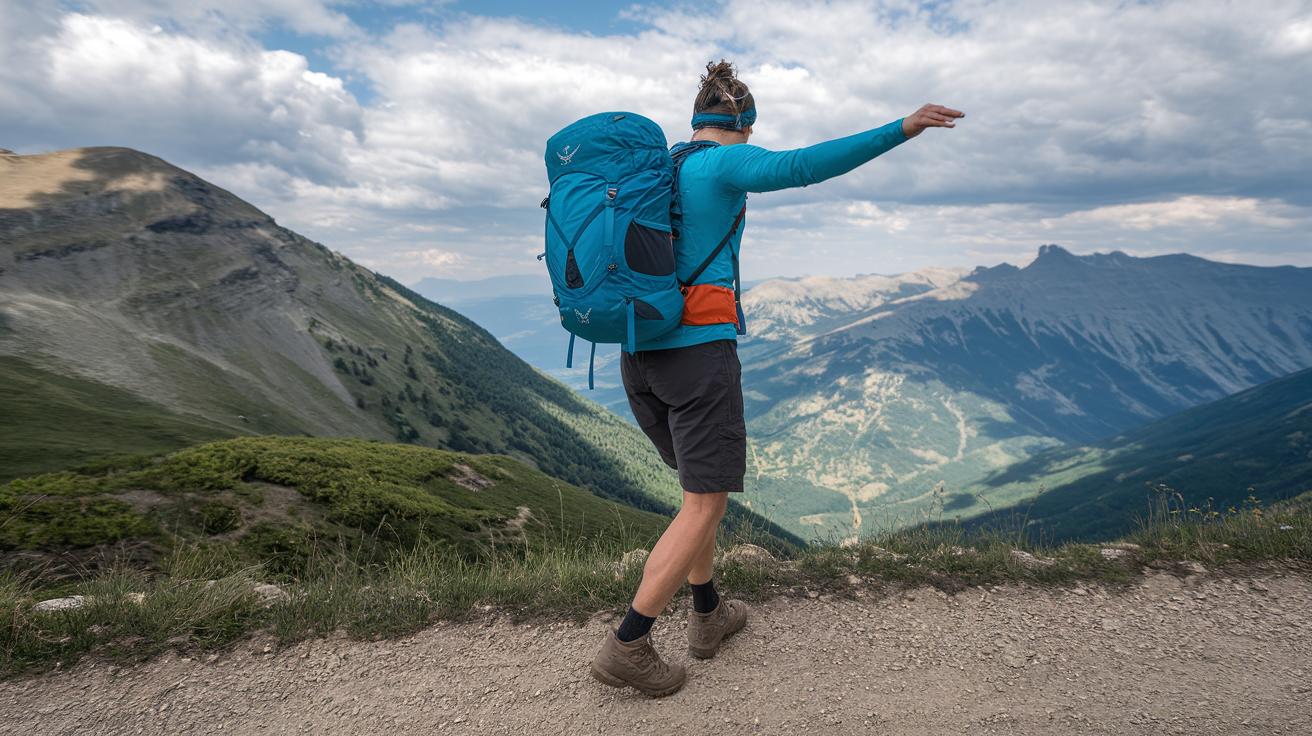
When you’re picking a pack, try thinking small on purpose. A pack that’s just a bit smaller can help you bring only what you really need, saving you from extra weight. It's like knowing how many marshmallows you need for a campfire treat, not too many and not too few. Keep an eye on the pack's capacity so you can figure out how much gear you can carry without feeling overloaded. A well-made pack should feel balanced from the moment you hit the trail. For a good fit, you might check out options like the Osprey Atmos for men or the Osprey Aura for women. Got a short trip planned? Even the Osprey Sirrus 24L daypack does the trick without weighing you down.
Take a minute to look at key features, a snug hip belt, comfy padded shoulder straps, and an adjustable chest strap can make a real difference. You need straps that let you tweak the fit quickly, keeping you comfortable all day. And don’t forget load-lifters; they pull the weight closer to your body so you’re not left with a sore back on rough paths. Many packs come with cool modular designs too, meaning some have a removable top lid or a daypack you can take off when you just want to stretch your legs.
Imagine getting ready for a hike and knowing every little adjustment has your back from start to finish.
Sleep Systems and Shelter in Backpacking Gear Selection
When you're choosing your sleep system, look for gear that offers the best mix of light weight, roominess, and easy set-up when the weather changes. Take a tent like the REI Half Dome. It gives you plenty of space inside yet stays light, which is perfect when you need to set up fast. Don't forget your sleeping bag, something like the REI Magma works down to 20°F and gives you warmth without extra heft. It’s all about packing smart. Imagine a light sleeping bag keeping you cozy on a chilly night, like a snug blanket that barely takes up space in your pack.
Next up, your sleeping pad. You might pick an inflatable one like the Nemo Tensor for its super light feel and compact size, or choose a foam pad if you need extra insulation and durability. Using a compression sack for your sleeping bag can save a ton of space. And for a little extra comfort after a long day on the trail, don’t overlook a packable pillow such as the Nemo Fillo.
For more on core sleep-system gear, check out essential backpacking gear.
| Item | Example Model | Key Feature |
|---|---|---|
| Tent | REI Half Dome | Great space with light weight |
| Sleeping Bag | REI Magma | Works down to 20°F, light yet cozy |
| Sleeping Pad | Nemo Tensor | Super light and packs small |
| Pillow | Nemo Fillo | Big comfort in a small package |
Cooking and Hydration Equipment for Backpacking Gear
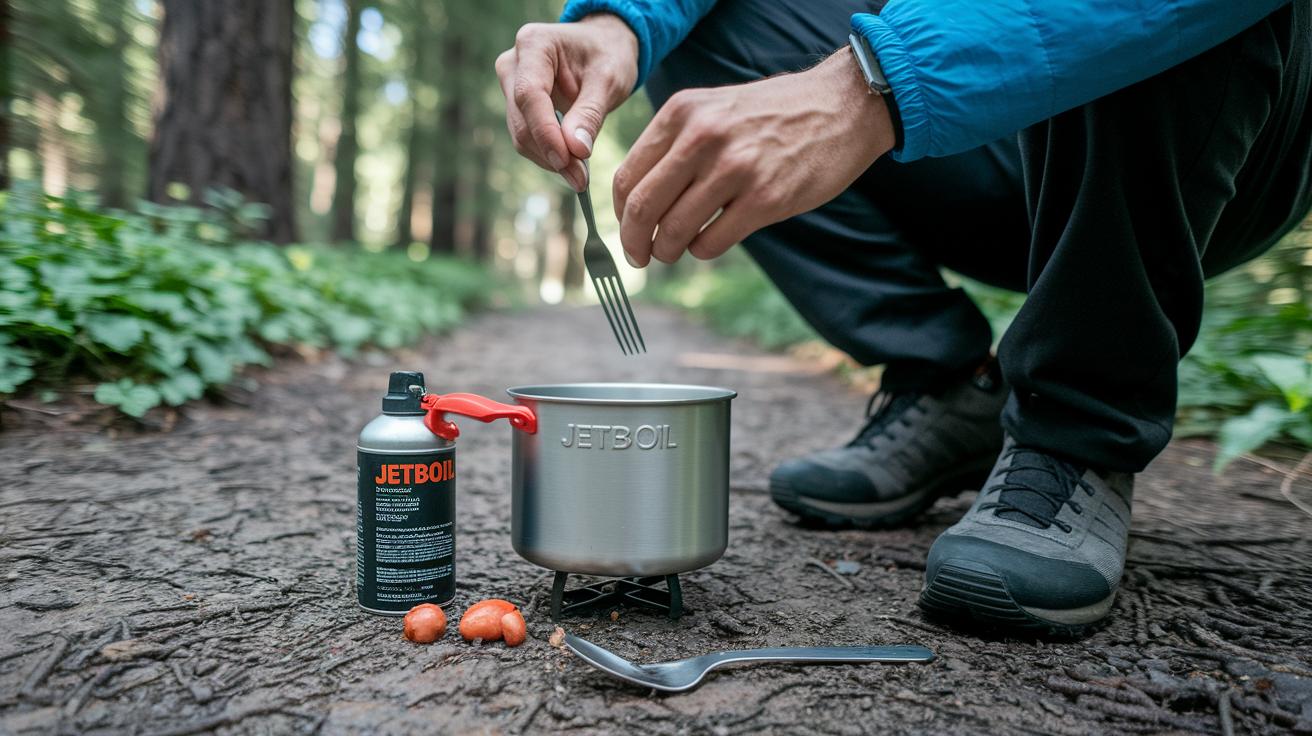
When you're out on the trail, picking the right cooking system can make all the difference. For instance, a Jetboil stove is an awesome option, it's compact, boils water fast, and uses very little fuel. Don’t forget to pack a proper fuel canister to keep your setup ready for action. Pair this with a lightweight, space-saving pot (like a foldable one) that's perfect for cooking a hot meal after a long day outdoors.
Choosing the right utensils is key, too. A trusty camping spork or a set of titanium silverware does the job without adding extra weight. Hydration is just as important as your cooking gear. A water bladder of 2–3 liters is a lifesaver on demanding treks, keeping plenty of water close at hand. To ensure every sip is safe, use an inline or pump filter, and consider UV pens (small gadgets that use ultraviolet light to kill germs) or purification tablets if you're in a bind.
And when it comes to camp, a collapsible water pouch is a clever way to store extra water without the extra bulk.
• Stove + fuel canister
• Lightweight pot or cook set
• Utensil set (spork, knife)
• Water reservoir (bladder)
• Water filter or purification tablets
• Collapsible water pouch for campsites
Apparel and Footwear for Backpacking Gear Comfort
When you hit the trail, start with a solid base layer. Try a Smartwool Merino 150. It’s a smart fabric that keeps odors in check, hugs your body while you move, and wicks moisture away so you stay dry on steep climbs.
Then, grab a pair of versatile pants like the Outdoor Voices zip-off hiking pants. They work great as full-length gear or shorts when the sun gets intense. Top that off with a rain shell like the REI Rainier. This waterproof, breathable jacket has your back during unexpected showers and keeps sweat from making you feel clammy.
For cooler weather, a lightweight layer like the Outdoor Research Superstrand adds warmth without weighing you down. And don’t forget your socks! Darn Tough Hiker socks provide durability, cushioning, and help keep blisters at bay during long treks.
Footwear is a real game-changer. Merrell Moab hiking boots are reliable for challenging terrains, though they need a good break-in session to feel just right. For lighter days at camp or tricky water crossings, try Teva ReEmber slip-ons for simple, comfy on-and-off ease.
Lastly, remember your accessories, a trusty sun hat and a buff can really help regulate your comfort when the weather shifts. Enjoy your adventure and stay cozy out there.
Navigation, Safety, and Electronics in Backpacking Gear Choices
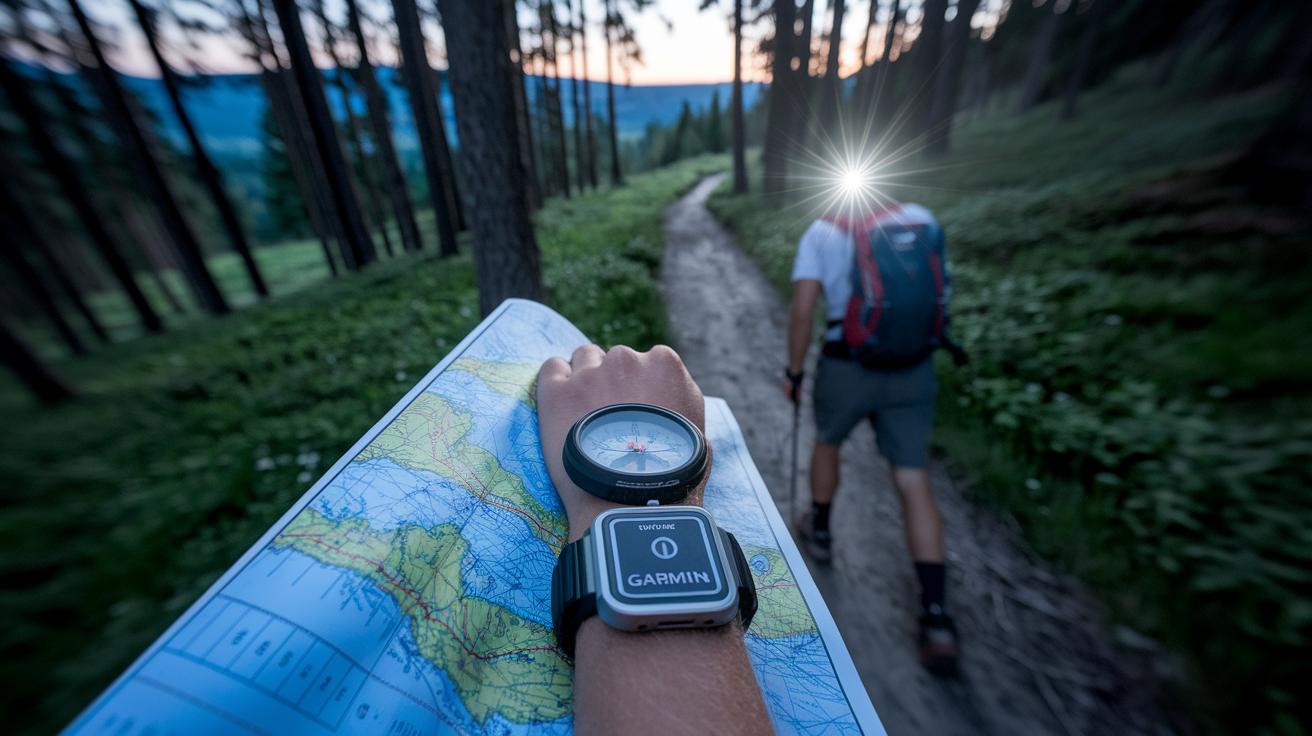
When you’re setting off into the wild, having a trusty navigation system and solid safety electronics can really make your adventure smoother. Think of packing a classic map, a compass, and an altimeter (a tool that tells you your elevation) – these old friends will keep you on track if your gadgets decide to take a nap. A GPS device, like one of those reliable Garmin models, is a great backup – sort of like having an extra pair of eyes watching your step.
A good headlamp with an adjustable beam of around 200 to 500 lumens lights up your path on night hikes. And don’t forget a few spare batteries, so your light stays with you when darkness falls. A small lantern at your campsite might seem extra, but it’s perfect for those unexpected moments when you need a little extra glow.
For those rare but serious emergencies, a Garmin inReach Mini satellite communicator is a lifesaver – it connects you to help even when you’re out of cell range. Pack a portable USB charger with about 10,000 mAh to keep your devices running, and consider a foldable solar panel for multi-day trips that can naturally recharge your gear.
Remember, the ten essentials checklist is your campfire buddy – it includes a headlamp, a first-aid kit, a fire starter, an emergency shelter, and extra food and water to help you out in a pinch.
Budget-Friendly and Sustainable Options in Backpacking Gear Purchases
Saving money and reducing waste go hand in hand, like a well-trodden trail beside a bubbling creek. Why not check out used or last-season gear at consignment shops or take advantage of trade-in programs from manufacturers? This smart move saves you cash and gives old gear a second life.
Think about modular items. Interchangeable shelter inners, stackable pads, or removable pack lids mean you only buy what really matters. It’s like picking out a perfect, multipurpose tool on a sunny day. And when off-peak season hits, keep an eye out for clearance sales with 20–40% off, it’s as thrilling as finding a great deal on your favorite boots after a long hike.
Giving your gear a second chance isn’t just about buying used stuff. Embrace eco-friendly brands that use recycled fabrics and PFC-free water repellents to help cut down on waste. Keep a small DIY kit with patch kits and seam sealer handy, kind of like carrying extra trail snacks, to extend the life of your equipment. This approach is like a little extra care for your gear, just as you’d mend a worn sock after a rough day outdoors.
In truth, this balanced routine saves money, lightens your pack, and leaves a softer footprint on nature. It’s a win-win, much like finding the perfect camping spot where you feel totally at home.
Final Words
In the action, we mapped out how to review and refine your gear list, tackle needs assessments, and plan your budget smartly. We looked at selecting a well-fitting pack, cozy sleep setups, compact cooking gear, and essential safety tools. Each segment guides you with clear, step-by-step tips to help you weigh cost versus quality and stick to a budget. This backpacking gear buying guide is here to spark smart choices that blend efficiency and care. Embrace your next outdoor venture with confidence and a smile.
FAQ
Q: What is the best backpacking gear buying guide, including options for women?
A: The best backpacking gear buying guide covers top recommendations for core items and gear specific to women’s needs while offering budget-friendly insights to help you pack smart for the outdoors.
Q: What should my backpacking gear list or spreadsheet include?
A: A complete backpacking gear list covers key categories like sleep systems, packs, cooking setups, and navigation tools, allowing you to track essentials and budget considerations efficiently.
Q: What are the backpacking essentials for Europe?
A: Backpacking essentials for Europe focus on lightweight, durable items such as a well-fitting pack, efficient sleep kit, and reliable navigation tools to handle both urban trails and rural paths.
Q: What does an ultralight backpacking gear list entail?
A: An ultralight backpacking gear list emphasizes reducing weight without losing safety, highlighting compact shelters, efficient cooking gear, and light apparel to help you carry less in the wild.
Q: What is considered the best backpacking gear overall?
A: The best backpacking gear blends high-quality core items that balance weight and durability, including packs, sleep systems, and essential accessories designed for comfort and efficiency on the trail.
Q: What benefits does a backpacking checklist PDF offer?
A: A backpacking checklist PDF offers a handy reference that organizes gear categories, budget tips, and maintenance advice, ensuring you leave nothing important behind when heading outdoors.