

Ever noticed how some backpacks just feel like they were made for you? A bag that fits right can turn a long day on the trail into an easy, light adventure. This little guide will help you choose the perfect pack for your gear, whether you're planning a week-long journey or a quick, ultralight escape. I’ve tried out lots of packs, and I know that finding the right mix of size, fit, and features can change everything. Let’s get you geared up for your next outdoors adventure.
Comprehensive Buying Guide for Backpacking Backpacks
When you're looking for a backpacking pack, start by making sure its size fits what you need to carry. For a week-long trip, a 60 L pack usually strikes a great balance between space and weight. If you're into ultralight travel, aim for around 45 L. And for longer journeys, you might need a pack that's 70 L or more. I've had a 60 L pack that felt just right, a perfect mix of roominess and lightness.
Fit is just as important as size. Check that the pack matches your torso size (usually between 16 and 21 inches) and that it shifts most of the weight to your hips (about 80%) rather than your shoulders (only 20%). I once tried on a pack that fit perfectly, and it made a long day on the trail feel so much easier.
Budget matters too. Prices can range from about $179 for something like a REI-Coop pack up to $399 for high-performance models, including some ultralight options. Also, think about weight. Try to pick a pack that weighs less than 8 lbs when it's empty, so that even after you pack it, usually between 15 and 50 lbs, it keeps your steps light and steady.
If you can, test the pack in person. Look for features like adjustable harnesses, padded hip belts, and a design that feels like it molds to your body. Little things such as easy-access pockets, smooth zippers, and a well-designed back panel can make a big difference on the trail.
Evaluating Key Features in Backpacking Backpacks
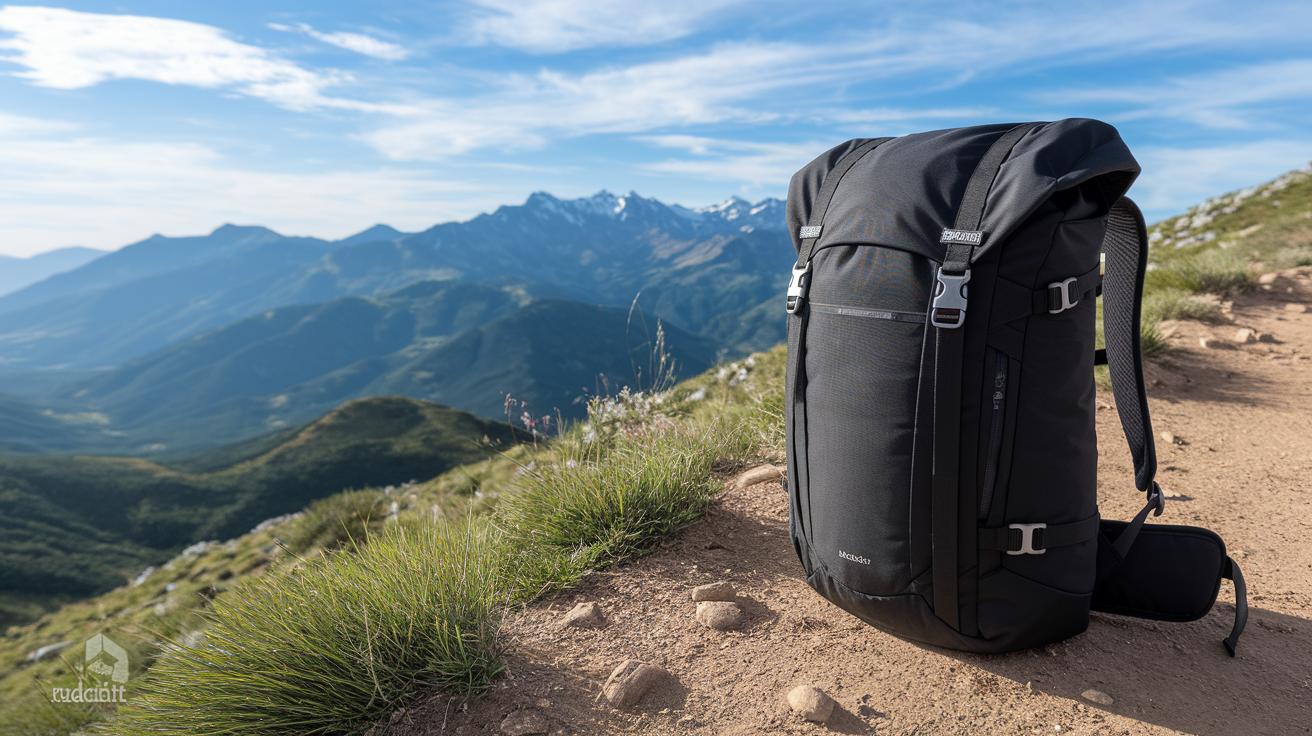
Backpacking backpacks really come into their own when every detail is built for the trail. Think about shoulder straps that stay soft on your shoulders even after a long day of hiking. And those hip belt pockets? They often have smooth zippers that let you stow your map or favorite snack with ease, just like a well-oiled hinge.
Now, picture a backpack with a smart design that lets air flow through the back panel. Models like Osprey Anti-Gravity or Gregory FreeFloat do just that, keeping your back cool on sunny days so you can focus on the journey. They even use materials rated from 100D to 420D, or newer fabrics like Dyneema composite (a super strong, light material) and Robic nylon, which means your pack is tough without being too heavy.
A sturdy, reinforced base is a must for rough trails, it can handle all the bumps along the way. Many packs also come with clever touches like a sleeve for your water bottle and extra pockets to keep your gear organized. Plus, loops for ice axes or trekking poles add extra versatility for an all-weather adventure. And with water repellent treatments that are PFAS-free, these packs stand up to rain and moisture while being kind to nature.
This hiking pack is built with every little detail in mind, making sure you stay comfortable and well-prepared from start to finish.
Top 5 Backpacking Backpacks of 2025: Detailed Reviews
-
Gregory Baltoro 75
This pack costs $380 and is built for rugged trails. With 75 liters of space, it’s made from tough Nylon fabrics (210D, 420D, and 630D) that feel as strong as the mountains around you. The thick, padded hip belt makes heavy loads feel less daunting. It’s a sturdy pack that won’t let you down when the trail gets rough. -
REI-Coop Trailmade 60
At $179, this 60-liter backpack gives you a great balance of price and performance. Crafted from reliable Polyester materials (400D/420D), it adjusts to fit you just right. Weighing in at 4 lbs 6 oz, it’s a simple, affordable choice for anyone planning a long journey through nature’s trails. -
Hyperlite Southwest 55
Priced at $399, this 55-liter pack is made from Dyneema composite, a super light, strong fabric perfect for an ultralight adventure. Weighing only 1 lb 9.4 oz, it’s designed for those minute-by-minute challenges on the backcountry. With water resistance and a minimal design, it’s great for cutting every extra ounce off your load. -
Osprey Atmos AG 65
This 65-liter pack comes in at $340 and features a mix of Nylon (210D) with a sturdy 500D bottom panel. Weighing 4 lbs 14 oz, its AG suspension system boosts airflow so you stay cool even when the trek gets intense. Its smart design keeps you comfortable and ready for the next adventure on the trail. -
Deuter Aircontact Ultra 50+5
For $5 lbs 6 oz of reliable gear, this pack offers 55 liters of space with an optional extra 5 liters. Made from Polyamide fabrics (235D/500D), its ergonomic fit and tough design make it a favorite for long hikes. It’s built to keep you comfortable on many days out in nature.
How Field Testing Validates Backpacking Backpacks Performance
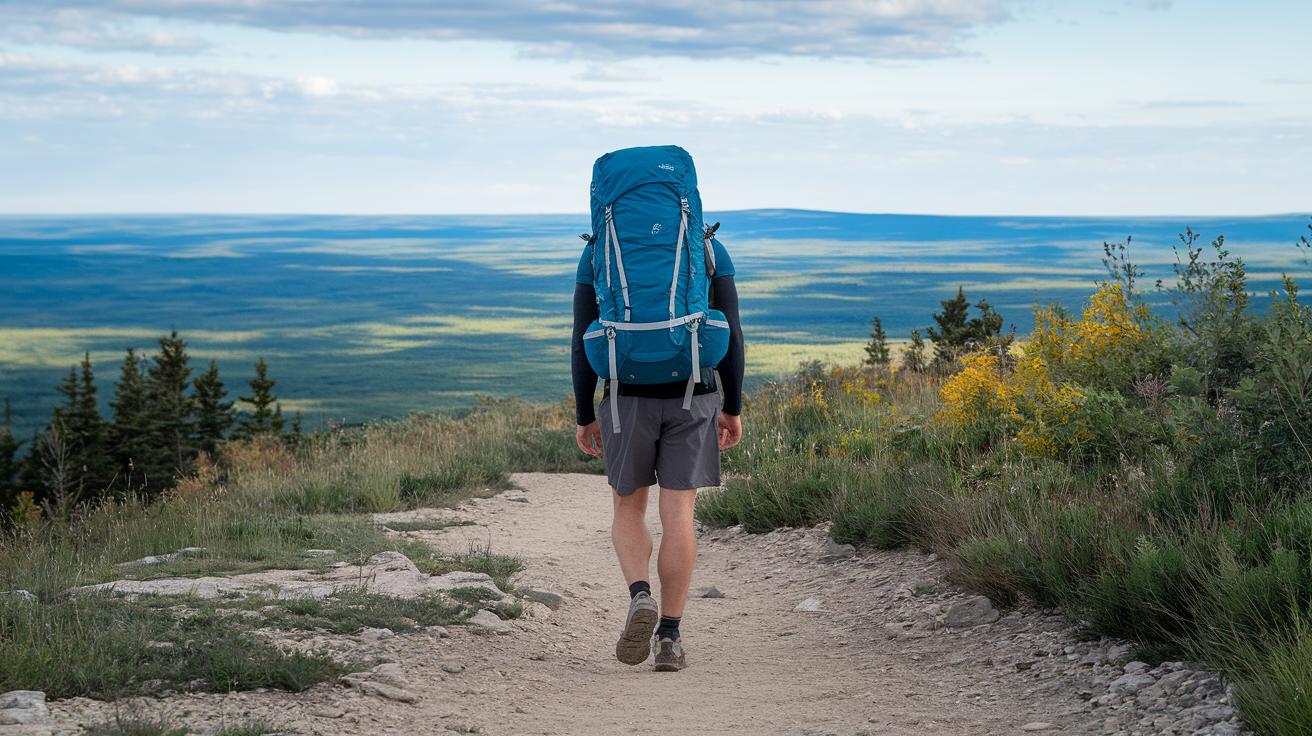
Out on the trails in Minnesota, we put these backpacks through their paces. Laden with 35 to 50 lbs, they mimic adventures on routes like AT, PCT, and CDT. We wanted to see if the hip-belt padding really stops chafing and if the shoulder straps share the load so your back stays happy. The goal is simple: roughly 80% of the weight on your hips and 20% on your shoulders for a comfy ride.
We also run lab tests. Instead of guessing, we use 20-mm balls to check compartment sizes and confirm the makers’ claims. In Tromsø, Norway, where it can drop to 34°F, these packs face cold temperature trials. The materials, from fabric strength to stitching, get a thorough check to ensure they can handle rough conditions over time.
Comfort is key, and one tester mentioned how great the back-panel airflow felt, like carrying a light mountaineering pack even during long hikes. Every detail in the design matters, making each choice count on the trail.
Expert Tips for Packing and Caring for Your Backpacking Backpacks
When packing your trusty trekking backpack, try to keep its empty weight under 8 lbs. That way, your total load stays between 15 and 50 lbs. Start by placing heavier items right against your back and hips, keeping the weight balanced, kind of like stacking firewood neatly by your campfire.
Pop snacks and small navigation tools into the hip-belt pockets. For instance, stash a granola bar or a compact map there so you’re not digging around when hunger hits. And be sure your hydration bladder sits in its own sleeve, keeping water cool and easy to grab during a quick break under the trees.
Taking care of your pack after each adventure really makes a difference. Give the seams and stitching a quick once-over and fix any little tears right away, much like you’d breathe life back into a dwindling campfire. Once home, secure the rain cover and freshen up the water repellent finish.
When you’re wrapping up your day, store your pack in a cool, dry spot away from direct sunlight to keep the fabric strong. Need more camp gear ideas? Check out camping essentials for extra tips.
Final Words
In the action, we explored crucial tips and details for picking a great pack. The guide explored fit, capacity, and load distribution for backpacking backpacks. It covered key features and included hands-on reviews and testing results. We also shared straightforward packing and care tips so your pack stays in top shape. The tips and insights are simple enough to put into practice on your next outdoor trip. Enjoy the trail and keep your spirits high as you make the most of every step.
FAQ
What are the best backpacking backpacks for travel and overall?
The discussion about the best backpacking backpacks for travel points to models that balance fit, capacity, and durability. Many packs offer comfortable load distribution, making them ideal for a range of outdoor trips.
What options exist for both women’s and men’s backpacking backpacks?
The conversation around backpacks for women and men shows that many designs cater to different body shapes. Women’s packs often have shorter torso adjustments, while unisex models are built to suit most sizes.
Where can I find reviews for backpacking backpacks on Amazon and Reddit?
Online spaces such as Amazon and Reddit provide firsthand reviews and tips on backpacking backpacks. These platforms host real-user discussions on fit, performance, and practical use on trails.
What are the recommended sizes for backpacking backpacks, including 40L, carry-on styles, and 70L bags?
The question about pack sizes is answered by matching capacity to trip length. A 40L pack works for lighter trips or carry-on needs, while a 70L bag is usually best for longer trips with more gear.
What does the 20% rule for backpacking mean?
The explanation for the 20% rule is that no more than 20% of your load should rest on your shoulders, allowing about 80% to be carried on your hips. This balance helps ease strain on your back.
What are the big three items backpackers always need?
The response to the big three items is that a sturdy pack, reliable shelter, and quality footwear are essential. These items help carry gear, offer protection against weather, and support your feet on rugged trails.
What are the signature features of Hyperlite Mountain Gear packs like the Southwest, Aero 28, AG65, and Windrider models?
The review of Hyperlite Mountain Gear packs highlights their ultralight design, weather-resistant materials, and optimized construction. Users appreciate these features for keeping pack weight low without sacrificing essential protection on the trail.