

Ever worry that your water filter might be slowing you down on the trail? Heavy gear can really mess with your adventure, especially when you need water in a hurry.
In this guide, I'm sharing my favorite filters that are light to carry, work fast, and clean up easily. These picks have earned their trust so you can get safe water when you need it most, making your pack feel like a true trail buddy.
Every ounce and every minute counts out there. With the right water filter, your journey becomes smoother and a lot more enjoyable.
Essential Factors for Choosing a Backpacking Water Filter
When you’re out on the trail, having the right water filter is like having a trusty buddy by your side. It makes your journey safer and keeps you refreshed with clean water no matter where you wander.
- Weight (ounces): Go for a light filter. For instance, the MSR HyperFlow weighs only about 7.4 oz, so it’s easier on your back during long hikes.
- Flow rate (L/min): A filter that works fast, over 3 L/min, means you spend less time waiting and more time soaking in nature.
- Pore size (microns): Look for filters with pores around 0.2 microns. They remove nearly all bacteria and tiny parasites (small water critters) to keep you healthy.
- Filter life (L or gallons): A long-lasting filter, like one that handles up to 1,500 L or has a proven lifetime as seen with the Sawyer Squeeze, lets you adventure without the worry of early replacements.
- Maintenance: Choose a filter that’s simple to clean and backflush. Many hollow fiber systems are easy to tend to, saving you valuable trail time.
When planning your backpacking trip, keep these factors in mind. A lighter filter means less weight to lug, while a fast flow lets you fill your bottle quickly. A fine pore size ensures your water is safe, and a long filter life means fewer hassles along the way. Plus, if it’s easy to maintain, you can focus on the adventure instead of your gear. Now, isn’t that a recipe for a great outdoor experience?
Backpacking Water Filter Types and Purification Methods
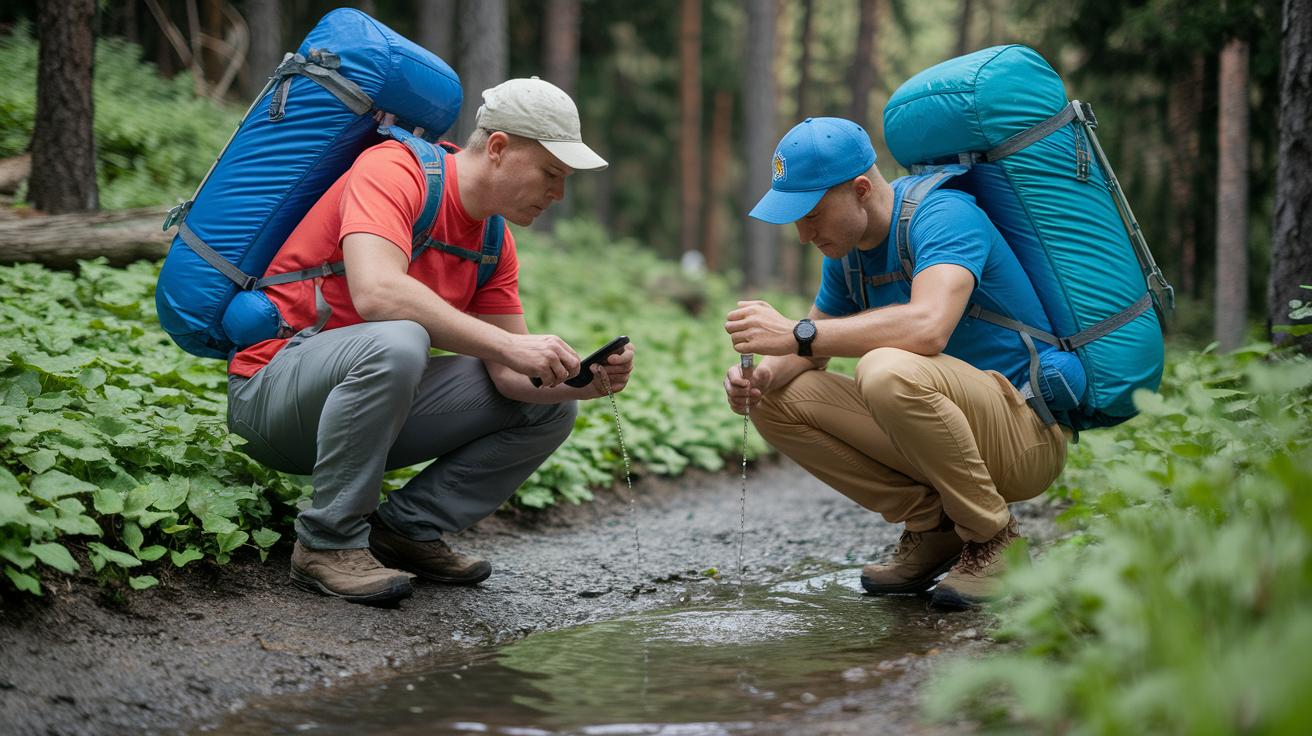
If you're out on the trail, you'll likely come across two kinds of mechanical filters: pump systems and gravity setups. Pump filters, like the popular Sawyer Squeeze, a hollow fiber filter weighing about 3 oz, need you to backflush them often to keep them working smoothly. For instance, the MSR HyperFlow has a built-in pre-filter and requires roughly 20 strokes per liter, making it a lively, hands-on way to clear your water as you hike.
On the other hand, gravity filters work by simply letting water flow on its own. Devices like the Platypus GravityWorks or the Katadyn Gravity Camp let water run through at about 1 to 2 liters per minute without you having to pump it. They’re a real time-saver when you're setting up camp and want to relax a bit after a long day on the trail.
Then, there’s the UV purifiers, a lightweight way to disinfect water using ultraviolet light. Think of the Steripen Ultra, which treats a liter in just 48 seconds by zapping bacteria, viruses, and protozoa. It’s super fast and light, but remember, it only works well when the water is clear since it won’t remove any sediment.
Chemical treatments are another solid option. Products like Aquamira drops or Katadyn Micropur use chlorine dioxide (a disinfectant) to fight off germs over about 20 minutes, you mix for 5 minutes and then let it react for another 15. These treatments are easy to pack up since they can last 4–5 years unopened, making them a great backup plan when other systems might fall short. Sure, they can change the taste of your water a bit, but they’re a simple and effective way to keep you hydrated on your adventure.
Comparison Table of Top Backpacking Water Filters
When you're heading into the great outdoors, choosing the right water filter can really lighten your load. Below is a handy table that puts five popular filters side by side. You’ll find details like weight in ounces, flow rate in liters per minute, and how well they filter (removing bacteria, protozoa, and more). This clear comparison helps you pick the filter that fits your trail needs perfectly.
| Filter Model | Type | Weight (oz) | Flow Rate (L/min) | Filtration Rating | Price |
|---|---|---|---|---|---|
| Katadyn Hiker Pro Transparent | Manual Pump | 11 | 1 | 0.2 µm; bacteria/protozoa removal | $85 |
| MSR HyperFlow Microfilter | Manual Pump | 7.4 | >3 | 99.9999% bacteria; 99.9% protozoa | $100 |
| MSR Trail Base Kit | Gravity | N/A | 1 | 99.99999% bacteria; 99.99% protozoa | $140–150 |
| Katadyn Gravity Camp 6L | Gravity | 10 | 2 | 99.99999% bacteria; 99.99% protozoa | $90 |
| Katadyn BeFree | Filter Bottle | 2.3 | 1* | Fast flow; not virus-rated | N/A |
If you're setting out by yourself or on a day trip and the water looks clear, the light Katadyn BeFree is a solid pick. But if you’re always on the move and want to fill up quickly, the MSR HyperFlow with its fast flow rate can be a real lifesaver. For group camping or base camp situations where you need lots of water fast, gravity models like the MSR Trail Base Kit or Katadyn Gravity Camp 6L are great choices. And on varied trails, the Katadyn Hiker Pro Transparent offers reliable performance even in rugged terrain.
Cleaning and Maintenance for Backpacking Water Filters
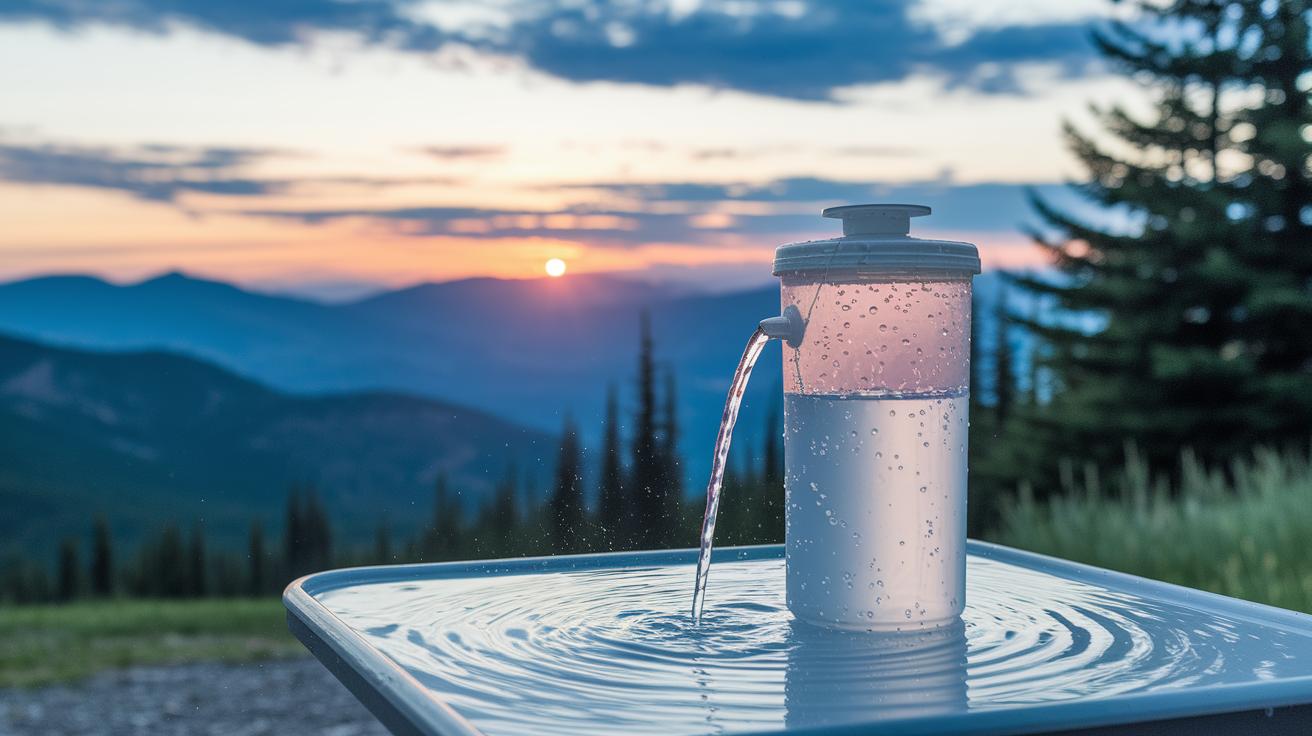
After every trip, give your water filter a good rinse with clean water to wash away dirt and sediment. For example, if you’re using a Sawyer filter, try backflushing (running water backwards through it) to clear out any pesky particles. This quick cleanup stops buildup and gears your filter up for the next adventure.
Once you’ve cleaned it, let your filter dry completely before packing it away. Shake off any extra water and flip it over so it can air-dry naturally, kind of like letting a damp towel hang outside. Then, store it in a cool, dry spot away from the sun. This helps prevent mold and stops any leftover water from freezing and damaging your filter.
Keep an eye on how well your filter’s working. For instance, a Katadyn Ultra Flow element usually does its job for about 1,500 liters before needing a change. If you notice the water flow slowing down or feel some clogging, these are signs it might be time for a new cartridge or element. Regular cleaning and a little monitoring go a long way in keeping your filter ready for worry-free water on every trip.
Field Use Tips for Backpacking Water Filters
When you're out on the trail, picking a good water source is key. Look for parts of a stream that flow clearly over smooth rocks instead of muddy banks. This way, you start with water that’s naturally cleaner, and it feels like a little win before you even set up camp.
Before running your water through the filter, give it a quick pre-filter. Drape a fresh bandana or coffee filter over your water bottle spout as you fill up. This simple trick catches big chunks like leaves and dirt, so your filter doesn't get clogged later on.
If you're using a gravity filter, hang your bag of dirty water high, about three feet above your clean container. That extra height lets gravity pull the water steadily through the filter, making sure you get a good, clean supply when you're setting up camp.
When you pump water with filters like the MSR HyperFlow, keep the device upright. It stops any settled dirt from sneaking in and helps the filter work its best. Just hold it steady during each pump, kind of like keeping your balance on a steep trail, and you'll enjoy cleaner water throughout your adventure.
Backup Treatments for Backpacking Water Filters
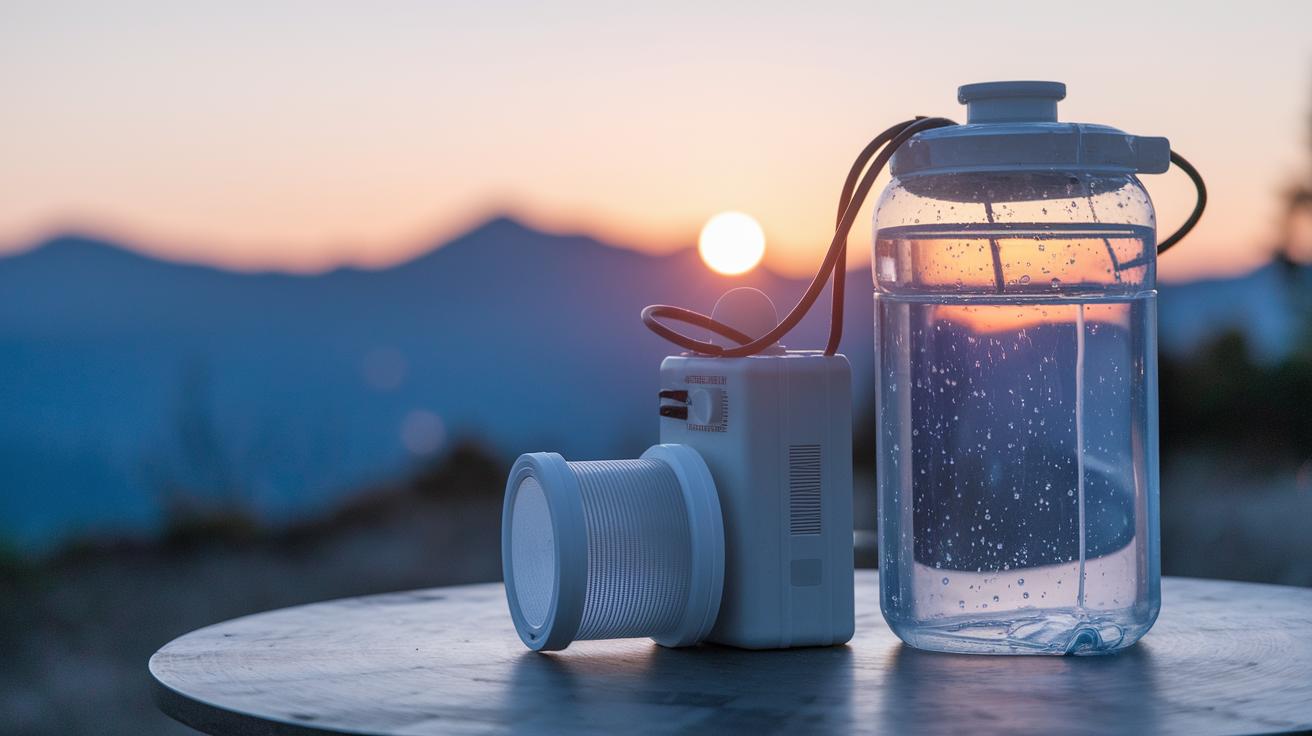
When your main water filter gives out, having a backup can really save the day. It’s like carrying an extra camp stove, you’re ready for whatever nature throws your way. I always pack a spare, even if things seem fine; it’s my little safety net.
A chemical treatment backup is a trusty choice if your filter ever gets clogged. These treatments work well in rough situations, stepping in without a fuss when your filter can’t keep up.
UV light purifiers are another handy option, especially when the water is clear. These tools quickly clean your water, offering a fast second check when things don’t go as planned.
Choose your backup by thinking about the length of your trip and the water you'll meet:
| Trip Type | Recommended Backup |
|---|---|
| Long trips in mixed water sources | Chemical treatment |
| Hiking where water flows clear | UV light purifier |
Budget vs Premium Backpackpacking Water Filters
If you're watching your cash, the Sawyer Mini is a solid, cost-friendly pick at about $25. It weighs under 3 oz but does filter slowly, so it’s best for short treks or as a backup. For a bit more heft in performance, try the Katadyn Hiker Pro. This mid-range filter costs roughly $85, weighs 11 oz, and handles about 1 liter per minute, ideal for solo trips with moderate water needs.
Now, if you need top-notch performance, the MSR Guardian is your go-to. Priced upwards of $300, it filters 2.5 liters per minute using a super-fine 0.02 µm element that gets rid of viruses, bacteria, and protozoa. It really shines in tough conditions or international adventures. For groups heading out together, the Platypus GravityWorks is a hit. Costing between $100 and $150, it offers fast flow rates and is simple to use when you're filtering water for several people.
At the end of the day, your choice should line up with your budget and how much water you need. Budget-friendly filters work well for day hikes or as a backup, while mid-range models offer a great balance for regular trips. And when every drop counts on a big adventure, premium filters give you advanced protection and fast flow to keep you going.
Final Words
In the action, we broke down the must-know criteria like weight, flow rate, pore size, filter life, and upkeep. We explored various filter types, compared top models, and shared handy cleaning and trail tips. We even touched on backup solutions and pricing options to help you match your gear with your needs. Every bit of advice guides you to make smart, safe choices for your trips. Keep your backpacking water filter in mind as your key partner for safe, unforgettable outdoor experiences.
FAQ
What is the best water filtration system for backpacking?
The best backpacking water filter combines light weight, fast flow, and effective pore size ratings to offer safe hydration on the trail. It depends on your route and group needs.
Do you need a water filter for backpacking?
Needing a filter for backpacking comes from the fact that natural water sources often harbor bacteria and protozoa. A filter helps make water safe for your outdoor trips.
How does a Sawyer Squeeze water filter compare to a Katadyn water filter?
The Sawyer Squeeze water filter offers an ultralight design with lifetime filtration, while Katadyn models typically provide solid flow rates and durability, making them suited for heavier use or group setups.
What are the benefits of using an MSR water filter?
The MSR water filter uses a pump mechanism to quickly process water, offering a high flow rate while reliably removing bacteria and protozoa, so you spend less time filtering and more time enjoying nature.
Can you drink any water with LifeStraw or LifeStraw Peak Squeeze?
LifeStraw products help make outdoor water sources safe by removing bacteria and protozoa. They work best with clear, steady water and aren’t designed to remove viruses or heavy sediment.
What does a portable water purifier for camping offer?
A portable water purifier for camping delivers a compact, easy-to-use design that fits in your pack. It provides safe drinking water from natural sources, letting you relax while out in the wild.
How are backpacking water filters and home water filtration systems different?
Backpacking water filters emphasize light weight and simplicity for outdoor use, while home systems like Berkey filters focus on high capacity and long lifespan, making them ideal for everyday use at home.