

Ever sat by a campfire wondering if your camping kit is truly ready for anything? Imagine this: you're enjoying the cool night air and suddenly realize a key tool is missing, throwing off your whole night. This guide is like a trusted friend sharing a clear list of must-have gear that takes all the guesswork out of packing.
Every item here is handpicked to support you when you're out in the wild, making sure you feel safe no matter what nature throws at you. Have you ever felt the peace of mind knowing each piece is there exactly when you need it? Stick with us, and you'll see how these smart picks can help you stay secure when every moment matters.
Comprehensive Camping Emergency Kit Essentials Checklist
Pack your camping kit with a simple, clear list that covers shelter, survival, first aid, and signaling. This guide helps you pack smart without overloading your backpack. Here are 15 items you'll thank yourself for when you're out in the wild:
- Backpack (if it’s waterproof, it can even serve as a flotation device or an impromptu pillow)
- Tarp or emergency tent to quickly set up your shelter when you need it most
- Sleeping bag or hammock that gives you a comfy, elevated place to rest
- Survival knife for chopping cordage or preparing food with ease
- Multi-tool for the little fixes and the surprise of opening a food can on the fly
- E-tool (a small, foldable shovel used for quick digs like making a fire pit or a latrine spot)
- Compass and map since gadgets like smartphones can sometimes let you down out in nature
- Firestarter with a lighter or matches kept dry and within reach to light a fire when the air turns crisp
- Water filtration device to turn nearby water into safe drinking water without fuss
- Emergency food like high-calorie bars or MREs to keep you going during unexpected delays
- An outfit suited for the weather to keep you cozy or cool no matter what Mother Nature throws your way
- Headlamp with extra batteries so you can navigate safely when dusk settles
- Paracord (about 50 ft) and duct tape for those quick fixes that keep your gear running smoothly
- First aid kit to treat small cuts, scrapes, and bumps before they turn into bigger issues
- GPS tracker that offers rescuers a better chance to find you if you wander off the beaten path
Every tool on this list is chosen for its simple, handy use when every second counts. Use this checklist as your base, and you can always look up the full camping essentials guide for extra ideas. Keep your kit organized and ready, and you’ll feel secure knowing you’re all set for your outdoor adventures.
Remote First Aid and Medical Supplies in a Camping Emergency Kit
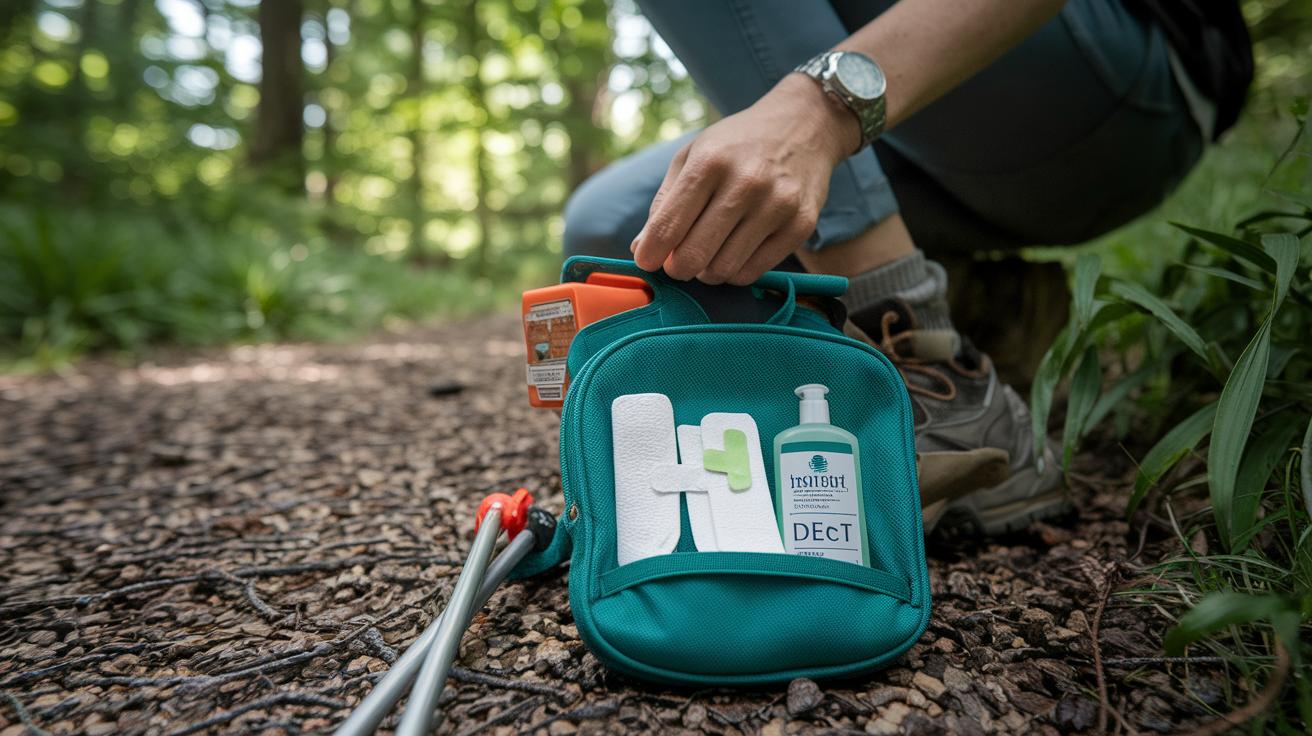
Imagine setting out on a day hike or a quick overnight trip with a trusty first aid kit in your pack. Keep it simple by carrying bandages and a couple of pills like ibuprofen. Ever had a small scrape on a trail? A bandage can quickly take care of that.
When you decide to camp overnight or go backpacking, it pays to add a few extra items. Toss in some antiseptic powder and a tiny dose of antibiotics (a safety net if a cut gets dirty). And if bugs are buzzing around, don’t forget to pack some antimalaria pills along with a DEET-based repellent. One fellow camper once mentioned, “The repellent kept the bugs at bay, and the antimalaria added that extra layer of safety on a steamy night.”
For colder adventures, a heat-reflecting foil emergency blanket is a must. It helps keep your body heat close to fend off hypothermia. And if you’re venturing to spots around 9,000 ft or higher, you might also want extra ibuprofen, acetazolamide (a medicine to help with altitude sickness), and anti-nausea meds for those sudden bouts of queasiness.
Finally, pack everything neatly in a 1L 70D fabric dry bag. This way, you’ll have fast, compact protection and can grab what you need without missing a beat on the trail.
Critical Tools and Adventure Rescue Gear for Camp Emergencies
Every piece in your kit should be built tough and ready to multitask when the unexpected hits. For example, a well-kept multi-tool can slice rope or pop open cans right when you need it most. Imagine a downpour where a trusty multi-tool quickly cut through a jammed cable, giving a team valuable minutes to regroup.
An E-tool with a sharp, compact blade isn’t only for digging fire pits or latrines; it’s also your backup fixer-upper when the ground turns damp and muddy and regular tools let you down. One camper even shared how this tool helped carve a safe spot for a makeshift shelter during a sudden storm.
A fixed-blade knife, with its rugged charm and grippy handle, is a real workhorse for everything from food prep to trimming stray rope. Keeping that blade primed means it’s always there when you need to patch up gear or rearrange your campsite.
And don’t forget the trusty compass, matched with a good topographic map. When your gadgets run out of juice, these old-school tools guide you away from risky spots. A quick check before each outing can keep you on safe trails, even when nature surprises you.
Lastly, having about 50 feet of sturdy paracord and a roll of durable duct tape can add a ton of versatility to your pack. Their solid build lets you secure shelter ties, whip up quick repairs, or even rig up a temporary splint when the situation calls for it.
Shelter, Water, and Nutrition Components in a Camping Emergency Kit
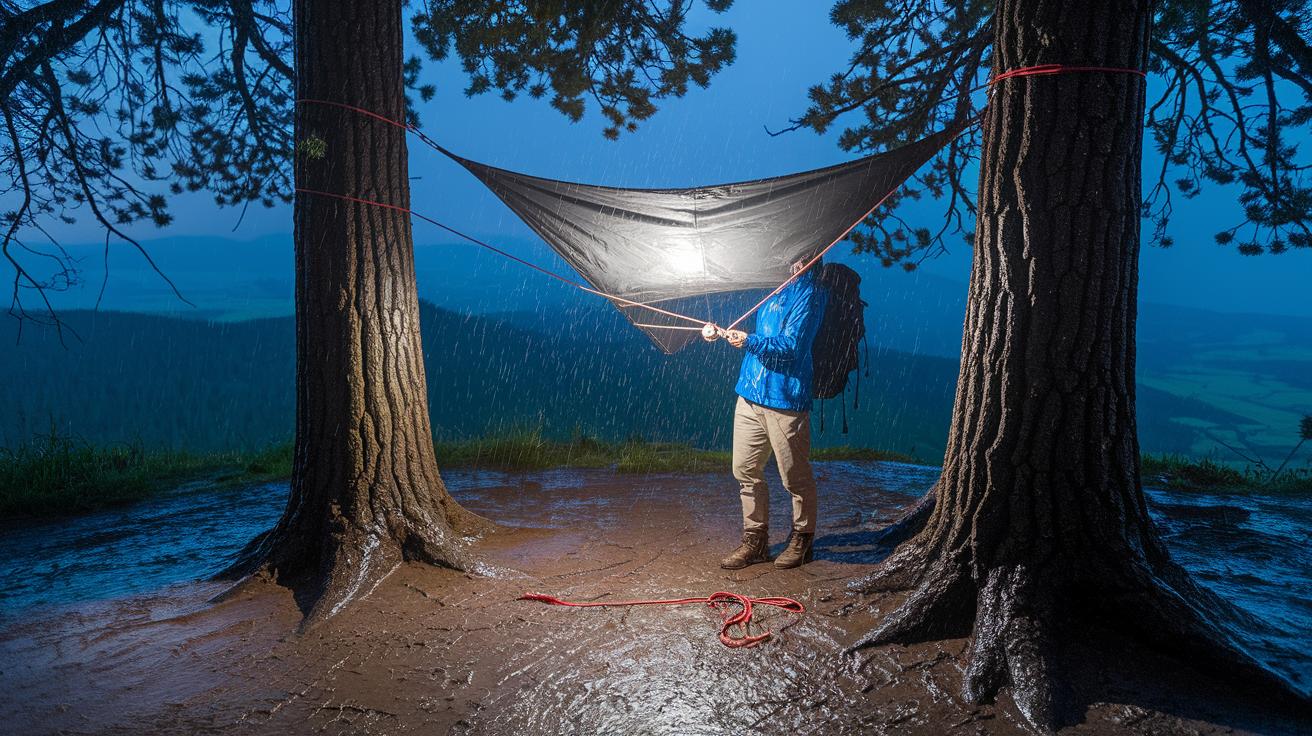
When the weather turns rough, your tarp or emergency tent isn’t just a piece of fabric, it’s a ready-made shelter. Imagine a sudden downpour with strong winds; set up your tarp quickly by tying a rope between two sturdy trees and anchoring the corners with rocks for extra hold.
Your sleeping bag or lightweight emergency bivvy does more than keep you warm. Try layering a few extra clothes underneath on colder nights to boost your heat without weighing you down. It’s like giving yourself an extra cozy hug when the chill hits.
When it comes to water, take a good look at your source. If you need to sip from a shallow, murky stream, grab a portable filter straw or pump that handles tiny particles. A model with a ceramic element works great to clear out sediments, making your water safer to drink.
And for that quick burst of energy, pack high-calorie food like bars or MREs (meals ready to eat). Stow these in an insulated pouch so they stay fresh and ready when you need a boost during your adventure.
| Component | Practical Tip |
|---|---|
| Shelter (Tarp/Emergency Tent) | Tie your tarp between strong trees and secure the corners with rocks to fight off heavy winds. |
| Sleeping Bag/Emergency Bivvy | Add extra layers underneath to keep warm when the temperature drops unexpectedly. |
| Water Purification | Choose a filter with a ceramic element to remove fine particles from muddy water. |
| Emergency Food | Store high-calorie bars or MREs in an insulated pouch to keep them ready for a quick energy boost. |
Firestarters, Lighting, and Signaling in Your Camping Emergency Kit
When you need a quick spark, nothing beats a trusty ferrocerium rod with a striker. Even if the weather's damp, this little tool will fire up your camp in seconds. Just picture yourself by the campfire, needing warmth or a signal for help, and boom, a spark is all it takes.
Be sure to pack waterproof matches or a lighter saved in a sealed pouch. It’s like having a secret, weatherproof trick up your sleeve, ready to light your fire whenever you need it.
A headlamp with extra batteries (aim for one with 100 lumens or more) is a real lifesaver on dark trails. Imagine setting up camp after dusk and using that extra beam to check your gear, it’s simple, effective, and makes navigating rocky paths a lot easier.
If you ever find yourself lost, toss an emergency signaling mirror and a whistle into your kit. These handy tools send clear calls for help, acting like a bright beacon to anyone searching in the wild.
And don’t forget about a GPS tracker or personal locator beacon. Keeping one of these on hand is a must for any outdoor trip. I remember one camper saying, "The tracker was a true lifesaver when a sudden storm hit." It just goes to show how vital it is to be prepared.
Packing, Portability, and Maintenance of Camping Emergency Kit Essentials

Keep your camping kit tidy by using little compartments or color-coded dry bags. Sort out your medical supplies, fire-starting gear, and repair tools into their own spots so you know exactly where everything is. For a quick day hike, pack your essentials in a small 1 L squishy dry bag, you can grab it in a flash. If you're hitting the trail for a few days, a 5 L pack liner gives you extra room without weighing you down.
Every six months, take a minute to check your gear. Look at the expiration dates on meds and food like you’d check your map on a misty morning. Swap out any moisture-sensitive items once a year to keep surprises at bay. And for those little repairs, wrap a roll of duct tape around a pen or stash a mini hank of paracord in your kit.
Simple organization helps keep your load light and leaves you more time to enjoy the adventure. Quick access to well-kept gear can really make all the difference when you're out in the wild.
Camping Emergency Kit Essentials: Stay Safe Outdoors
When you’re camping in tropical spots, you need gear that handles the heat and pesky critters. Pack some DEET insect repellent (that’s the stuff that keeps bugs at bay) and keep it away from your gadgets. Don’t forget a small pack of antimalaria pills, too, just in case. A waterproof dry bag will keep your stuff safe when sudden showers hit. And add lightweight long-sleeve shirts that let air in while shielding you from the strong sun. One camper once shared how that dry bag saved his electronics during a wild rainstorm. That little tweak made a big difference.
For chilly nights and frosty mornings, staying warm is the name of the game. Include gas-powered hand warmers to give you an instant heat boost when it suddenly gets cold. A foil-lined emergency blanket can be a lifesaver if the temperature drops unexpectedly. Extra thermal socks keep your feet cozy even when you’re waiting around. And a bit of stove fuel can help you whip up a hot drink that warms your body and lifts your spirits. These small items come together to create a portable haven against the cold.
When you’re trekking high in the mountains, your kit needs to adapt to the altitude. Pack some altitude sickness meds like acetazolamide and anti-nausea pills to help your body adjust. A pair of UV-protective sunglasses will guard your eyes from the bright, high-altitude sun, and sturdy 4-season tent stakes keep your shelter firm against gusty winds. If you’re heading into really high elevations, consider a compact oxygen canister. These small changes ensure every high-altitude adventure has the right gear to keep you safe and comfortable.
Final Words
In the action, we broke down each part of assembling your kit – from essential shelter and survival tools to medical supplies and signaling devices. We covered how to pack and maintain gear, along with tips for adjusting the kit to suit various climates. Each section builds on a clear checklist to keep you safe when you need it most. Keep these camping emergency kit essentials handy and in check for peace of mind whenever you head outdoors. Stay safe, embrace the crisp air, and keep exploring.
FAQ
What should be in a camping emergency kit?
A camping emergency kit should include a compact first aid kit, shelter gear (like a tarp or emergency tent), firestarter tools, multi-tool, water filter, navigation aids (compass and map), and extra food plus climate-specific supplies.
What are the 10 essentials for camping and survival?
The 10 essentials cover fire starters, shelter, water purification, high-calorie food, a first aid kit, navigation tools, a multi-tool, extra clothing, illumination like a headlamp, and emergency signaling items such as a whistle or mirror.
What is the most forgotten item when camping?
The most forgotten item is often duct tape. Its versatility for quick repairs, gear fixes, and shelter mending makes it an indispensable piece of any camping emergency kit.
Where can I find PDF resources for camping emergency and first aid kit checklists?
PDF resources on camping emergency and first aid kit checklists are available online, offering detailed gear lists and tips for organizing a compact, ready-to-use kit for outdoor needs.
What are some recommended online sources for camping emergency kit essentials?
Many users share their camping emergency kit setups on Reddit and through detailed reviews on Amazon, where you can find user-tested gear lists and advice from fellow outdoor enthusiasts.
What items should be in a backpacking first aid kit?
A backpacking first aid kit should include bandages, antiseptic wipes, pain relievers, and any necessary medications, all arranged in a durable, waterproof bag for easy access on the trail.
What does a wilderness first aid kit checklist include?
A wilderness first aid checklist typically consists of bandages, disinfectants, pain relievers, and climate-specific items such as heat-reflecting blankets, providing essential support for minor injuries in remote settings.