

Ever wonder which trails in America will truly amaze you? In this post, we'll share paths for every kind of hiker, from easy coastal walks to challenging mountain climbs.
Imagine reaching a high peak, feeling the cool mountain air, and watching valleys stretch out below you. Sounds pretty great, right?
If you're up for a hike that pushes your limits or one that offers a peaceful break, keep reading. We'll guide you through each trail, helping you find the perfect adventure, step by step.
Top-rated Trails Across America for Every Skill Level
America is full of trails that welcome every kind of hiker. Whether you’re up for a gentle coastal walk or a steep mountain climb, you’ll find a path that fits your style. Some trails need a bit of muscle and planning, while others let you take it slow and enjoy the fresh air.
Imagine standing on the edge of Mt. Whitney and looking down at the valleys, or trekking through the wild solitude of Cirque of the Towers. Each trail tells its own story with details like distance, climb (how much you rise), and the best time to hit the trail. Some of these hikes even come with permit lotteries and steep climbs, while others are simple day trips for the whole family.
| Trail | State | Distance | Elevation Gain | Difficulty | Best Season |
|---|---|---|---|---|---|
| Mt. Whitney | CA | 22 mi RT | 6,100 ft | Very Hard | Summer |
| Slaughter Ridge | AK | 2 mi | 2,000 ft | Hard | Summer |
| Harding Icefield | AK | 8.5 mi RT | Varies | Hard | Summer |
| Cascade Pass & Sahale Arm | WA | 12 mi RT | Approx 3,000 ft | Moderate | Summer |
| Angels Landing | UT | 5 mi | Varies | Hard | Spring/Fall |
| Rae Lakes | CA | 30 mi (one-way) | Varies | Very Hard | Summer |
| Bright Angel Trail | AZ | 1.5-3 mi segments | Varies | Moderate | Spring/Fall |
| Half Dome | CA | 16 mi RT | 5,000 ft | Very Hard | Summer |
| Mt. Sneffels | CO | 8 mi RT | Approx 3,500 ft | Moderate | Summer |
| Cirque of the Towers | WY | 8 mi RT | Varies | Hard | Summer |
Planning well can make all the difference. Many favorites, like Mt. Whitney and Half Dome, need permit lotteries. So, if you’re dreaming of these adventures, get your permits early! Timing matters, too, summer offers epic glacier views in Alaska, while cooler months in California help you dodge the crowds. Always check the latest weather and trail updates, and pack your essential gear. When you're ready and well-prepared, you can fully enjoy the magic of America’s top trails.
Breathtaking Ridge Rambles and Overlook Trails in America

Ridge hikes pack an exciting mix of steep climbs and stunning views, but they can be pretty tricky too. These trails might climb up to 2,000 feet in no time, and their exposed parts mean you could face sudden storms or strong winds. And yes, you might have to scramble (a bit of climbing where you use your hands) over rough terrain. In snowy or icy spots, gear like crampons and ropes becomes a must. Plus, permit rules and limits on group size mean you’ve got some extra planning to do.
- Check permit windows early because many wild spots require timed access.
- Keep an eye on the weather before and during your hike since conditions can change fast.
- Make sure you have the right skills and gear for steep, technical trails.
- Stick with a small group to stay safe and follow permit rules.
- Plan your trek when the weather is mild and the trail is friendlier.
Late spring through early fall is usually the best time for these ridge treks. The weather tends to be steadier, and the land feels a lot more forgiving. Before you go, take a moment to check forecast updates, pack your safety gear, and study your route. That way, you can soak in those breathtaking ridge views while keeping the adventure safe and fun.
Epic Multi-Day Wilderness Routes and Thru-Hikes in America
When you're planning a long trek, there's a lot to think about. You might need backcountry permits, book campsites, and follow group-size rules. Each trail has its own set of permits. For example, the Pacific Crest Trail uses a lottery from November to January, while the Enchantments require a core-zone permit from February to April. Even Alaska has its own backcountry permits (available from April to March). It’s all about knowing each agency’s rules and deadlines so you can plan ahead.
Getting your route logistics sorted is just as important. You’ll need to plan your gear staging, set up food caches, and follow bear canister rules. Whether you're setting out on the Appalachian Trail or a Continental Divide route, knowing the booking lead time and group restrictions is key. It can be the difference between an amazing adventure and a stressful scramble. Take the time to research your chosen area and learn the permit process. This way, you hit the trail with real confidence.
| Region | Permit Type | Application Window | Group Size Limit | Booking Lead Time |
|---|---|---|---|---|
| Pacific Crest Trail | PCT Lottery | Nov – Jan | 10 | 6 months |
| The Enchantments | Core-Zone Permit | Feb – Apr | 10 | 9 months |
| Alaska Wilderness | Backcountry Permit | Apr – Mar | 15 | 3 months |
| Appalachian Trail | Campsite Permit | May – Jun | 12 | 2 months |
| Continental Divide | Mountain Permit | Jul – Sep | 8 | 4 months |
Before you head out, make sure you have your gear staged properly and double-check those bear canister rules. Book your campsites early and confirm your permit details to dodge any last-minute hassles. With these tips in mind, you can turn a tough planning process into another part of your big adventure, leaving you free to soak up the wild, untouched beauty waiting out there.
Challenging Summit Paths in America’s National Parks
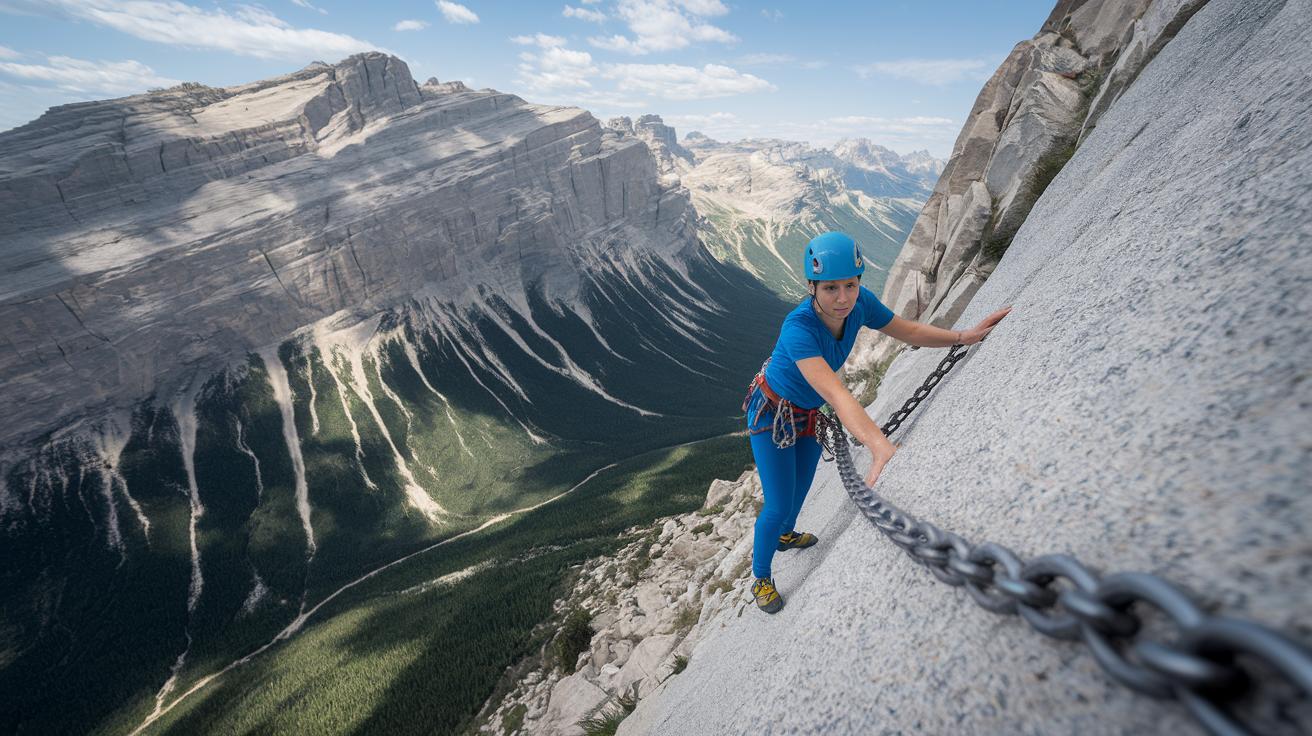
Ever feel that rush when eyeing a towering peak? Our national parks serve up challenges that push you to go the extra mile. Climbing steep trails that shoot up over 4,000 feet in one day isn’t just about brute strength, it takes smart planning and a bit of heart.
Take note: permit windows, like Half Dome’s from March to April or Mt. Whitney’s opening in February, remind you that timing can turn a hard climb into a smooth adventure. And when you hit those parts with chains and cables, using the right techniques and wearing proper gear can really change the game.
- Apply for permits early so you lock in your spot during the tight windows.
- Climb at a steady pace, giving your body time to get used to the height.
- Use careful moves on cable sections, keep your hands steady and each step sure.
- Gear up right with gloves, harnesses, and tethers that are built for these climbs.
- Stay ahead of the weather by checking forecasts often and dodging sudden storms.
Safety up high is key. Always pack a trusty way to call for help, a first aid kit, and map out a clear exit route before you set off. With careful planning and the right mindset, even the toughest summit can become a powerful and unforgettable mountain journey.
Family-Friendly and Accessible Best Hikes in America
-
Fire Wave (NV) – Imagine a 1-mile walk across a landscape that looks like Mars, with sandstone glowing in warm, Martian hues. Perfect for families who want a brief, colorful adventure.
-
Congress Trail (CA) – This 2-mile loop winds among towering Giant Sequoias (massive, ancient trees). It’s a safe and simple way for all ages to enjoy the presence of nature’s giants.
-
Taggart Lake (WY) – A 3.5-mile round-trip on a neatly kept trail that works wonderfully in summer and winter. Families love its even path that makes every step feel clear and secure.
-
Gorge Trail (NY) – Take a 1.5-mile stroll through a gorge lined with waterfalls. It’s just right for young hikers who’ll be enchanted by the splash and sound. Check out this spot as a prime example of waterfall hikes: "https://blackandburlap.com?p=179".
-
Backcountry Trail (NM) – Enjoy a relaxed 4-mile route that goes past unique gypsum dunes at White Sands. Its gentle curves offer a little adventure without any tough climbs.
Stroller and wheelchair access can differ from trail to trail, so it’s a good idea to check local maps. Plus, you’ll usually find well-kept parking and restrooms at these spots, making them perfect for a family day out.
Seasonal Picks and Safety Guides for Best Hikes in America
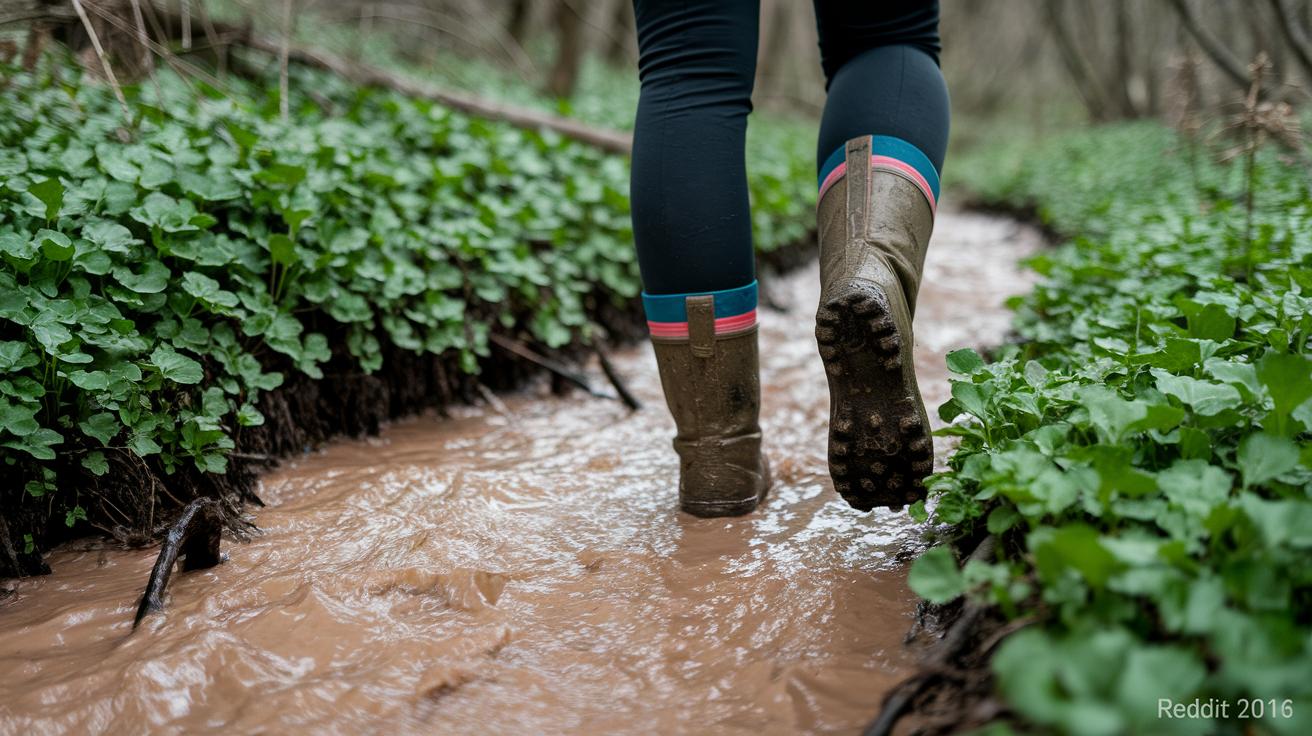
When you're hitting the trails, the weather and how busy the path is can really change your experience. In spring, as the snow melts, streams can swell unexpectedly and you might find slippery spots that demand extra care. In summer, keep an eye out, you might face heavy thunderstorms and intense heat. Fall brings its own twists with cool, changing temperatures and even the first hints of snow catching you off guard. And in winter, icy trails mean you’ll need proper traction gear to keep safe. Even when the trails are quieter in off-peak seasons, nature still throws challenges your way.
- In spring, be mindful of rising water levels that can quickly turn dangerous.
- In summer, plan your trek so you avoid sudden flash storms and the worst of the heat.
- In fall, soak in the vibrant foliage but prepare for chilly weather and sudden shifts in temperature.
- Always stay alert during times when wildlife is more active, from spring bear sightings to fall movements of elk.
- In winter, make sure you have the right traction and tools to handle icy conditions.
Don't forget your basics: a strong set of trekking poles, a dependable map or GPS, and a solid way to stay in touch with your group. These essentials help boost your safety and confidence on the trail. For more gear tips, check out the camping essentials checklist so you’re ready for any surprises nature might throw your way.
Final Words
In the action, we explored a mix of top trails, daring ridge routes, and multi-day wilderness treks designed for every skill level.
Each section offered real tips on permits, seasonal planning, and safe methods for tackling high passes and family-friendly paths.
We wrapped up with hands-on advice that cut through the clutter, making your outdoor plans clear and attainable.
May your next trek feel as bold and engaging as our favorite best hikes in america.
Embrace the beauty around you with every step.
FAQ
What are some bucket list hikes in the USA and around the world?
The mention of bucket list hikes covers trails that deliver unforgettable scenery and challenge. In the USA, routes like Mt. Whitney and Angels Landing stand out, while other global trails offer unique natural wonders.
What are the best hiking trails for beginners and great day hikes in the USA?
The best hiking trails for beginners and day hikes provide accessible terrain and rewarding views. Many options feature clear paths, gentle elevation gains, and scenic stops to suit newcomers and busy adventurers alike.
How do the best hikes in North America and popular picks on Reddit compare to the most beautiful hikes in the US?
Reviews and community favorites point to hikes that combine natural beauty with manageable challenges. From iconic mountain views to serene forest walks, these trails capture the spirit of exploration highly regarded among outdoor enthusiasts.
What are some of the best mountains to hike in the US?
The best mountains to hike in the US offer rugged terrain and breathtaking summit views. Many hikers choose peaks like Mt. Whitney and Mt. Sneffels for their impressive elevations and rewarding vistas.
What is considered the number one hiking trail in the US?
The notion of the number one hiking trail can vary, but many experts cite Mt. Whitney’s trail for its iconic status, challenging ascent, and the sense of achievement it provides upon reaching the summit.
What state is often ranked as the best for hiking?
Ranking the best state for hiking depends on personal taste, yet many outdoor aficionados call Utah a top choice thanks to its striking red rock features, diverse trail options, and breathtaking natural settings.
What are the big three hikes in the US?
The big three hikes in the US typically refer to the massive trails that span long distances, with many naming the Pacific Crest Trail, Appalachian Trail, and Continental Divide Trail due to their extreme length and historical importance.
What are the 11 scenic national trails?
The 11 scenic national trails are designated for their exceptional beauty and cultural value. These trails are part of a national list recognized by government agencies for showcasing outstanding natural and historical features.