

Have you ever thought about whether your plan is solid enough for the wild? Getting ready for a trip is a bit like packing for a long hike. You map out your route, check the weather, and tune in to local signs.
This guide shares simple tips to help you plan smart and stay ready for surprises. With a backup plan and trusted local contacts, you create a safety net that lets you focus on the joy of exploring. Read on to discover how a few clever moves can keep risks low and the adventure high.
Comprehensive Travel Safety Tips Guide for Expeditions
Planning ahead is key to a safe and fun adventure. Start by drawing out your route and looking up current weather and local trail conditions. It’s like getting ready for a long hike, make sure you know what lies ahead. I remember a camper who turned back just in time because the weather alerts warned of sudden storms.
Think about putting together a backup plan too. When you pack extra ideas for getting help or changing direction, you’re ready for anything nature throws your way. Sometimes, having a local guide who knows first aid and backup plans can be a lifesaver. I once heard of a guide who quickly handled a minor injury because he knew the safest nearby spot for help.
It also helps to stick to common-sense tips that keep you out of trouble. Follow local laws and customs, dress in a way that respects the culture, and keep your personal items safe. And hey, avoid exploring alone at night. A few explorers even suggest carrying a small list of emergency contacts and important papers, simple measures that make a big difference.
In truth, these travel safety tips aren’t just a checklist. They’re your trusty map when the unexpected happens. By mixing expert advice with everyday tips, you can stay on track and safe while still enjoying the thrill of your expedition.
Travel Safety Pre-Trip Hazard Assessment and Itinerary Planning

Before you head out, take a moment to check for any possible risks. It’s like sizing up a trail before you start your hike. Look over government travel warnings, keep an eye on local politics, and mark out the areas known as safe stops. A quick peek at recent alerts might spot trouble like unexpected protests or areas that seem sketchy at first.
I remember a trip when I learned that a small town had an impromptu curfew because of local demonstrations. Knowing that early on totally changed my plans, and probably saved me a lot of hassle.
Next, craft an itinerary that keeps you away from higher-risk spots. Chat with locals or your host about the best bus stops, parks, or paths that aren’t popular with pickpockets. Write down notes on each area so you can effortlessly avoid trouble. Ask, “Which route feels safest after dark?” Sometimes a simple question can lead to an insider tip you wouldn’t have found otherwise.
It’s also a good idea to pack a little safety kit. Think of it like a spare trail map, you want to be ready just in case. Include a wallet with a cancelled card, some spare cash, and an older phone. These items can help keep you one step ahead if a sticky situation arises.
A well-thought-out plan not only cuts down risk but also boosts your confidence. Before you know it, you’ll be soaking up the thrill of your wild adventure, safe and ready to explore.
Protective Gear Recommendations for Travel Safety
When you’re gearing up for an adventure, always choose equipment that meets trusted industry standards. Think of a good helmet as your reliable buddy on a steep trail, it’s been tested for safety and protects you like a friend watching your back. And don’t forget your lifejacket; make sure it fits well and does its job, just like a secure grip when wading through fresh water.
Pick out rugged shoes that can handle rough trails. When you’re trekking, you need footwear with a strong grip and plenty of support. For those high climbs, gear that hugs your feet tightly and shields you against chilly winds is a must. If water sports call your name, go for items that float well and resist impacts. Ever heard of a cyclist who dodged injury thanks to a top-notch helmet? That’s the magic of picking the right gear.
When traveling, steer clear of local rides on bikes or scooters without proper safety gear. Always check to see you’ve got headlamps, gloves, and weatherproof layers in your pack. Need more ideas? Take a peek at the camping essentials checklist on our site.
In short, choose each protective item based on what you’re planning to do. That way, you can focus on soaking in the outdoor thrills while keeping risks as low as a quiet forest clearing.
Emergency Preparedness and Rapid Response Planning in Travel Safety

Always bring along your important documents, like police, ambulance, and embassy numbers, plus travel insurance and bank contacts. Think of them as your safety gear on a long hike. Before you leave, spend a few minutes sorting these details into a handy file or a digital copy you can pull up quickly.
Sign up for the U.S. Department of State’s Smart Traveler Enrollment Program (STEP). This small step gives you real-time alerts, letting you know right away if anything changes or if an emergency pops up.
Imagine if a natural disaster struck out of the blue. It’s a good idea to know where the safe spots are, what the best escape routes are, and how the local warning systems work. Chat with local folks or guides to figure out the secure places around you, and mark these on your map. Jot down clear steps to follow just in case your normal route isn’t safe anymore.
Keep an eye on local weather updates and public alerts while you’re traveling. Being in the know can help you act fast, turning sudden worry into a clear plan.
Having these plans ready means you can switch gears quickly when every moment matters.
Risk Management Advice for Remote Area Travel Safety
When you head out into the wild, trust your gut. If a trail or situation feels strange, it’s best to turn around right away. Sometimes nature gives you little hints – like shaky soil or close encounters with animals – to let you know something isn’t right. And if the weather suddenly chills or a quick wind gust surprises you, that’s a clear sign to rethink your plans and find a safer spot.
Always keep an eye out for nature’s warning signs. Watch for loose dirt, slick patches, or anything that seems off. Cracked earth or hidden roots might be signaling trouble ahead. If you notice these red flags, don’t be afraid to change your plans.
Traveling with a buddy or checking in with your group can add an extra layer of safety. When you’re not alone, someone else might spot a risk before it turns into something big. Consider these handy tips:
| Tip | Advice |
|---|---|
| Trust Your Gut | If a spot feels odd, get out quickly. |
| Be Watchful | Keep an eye out for unstable ground or unexpected wildlife. |
| Mind the Weather | If the weather changes suddenly, be ready to adjust your route. |
Having extra eyes along the trail makes a big difference. It helps you avoid hazards and keeps the joy of exploring remote places both safe and fun.
Communication Device Guidelines and Digital Safety in Travel
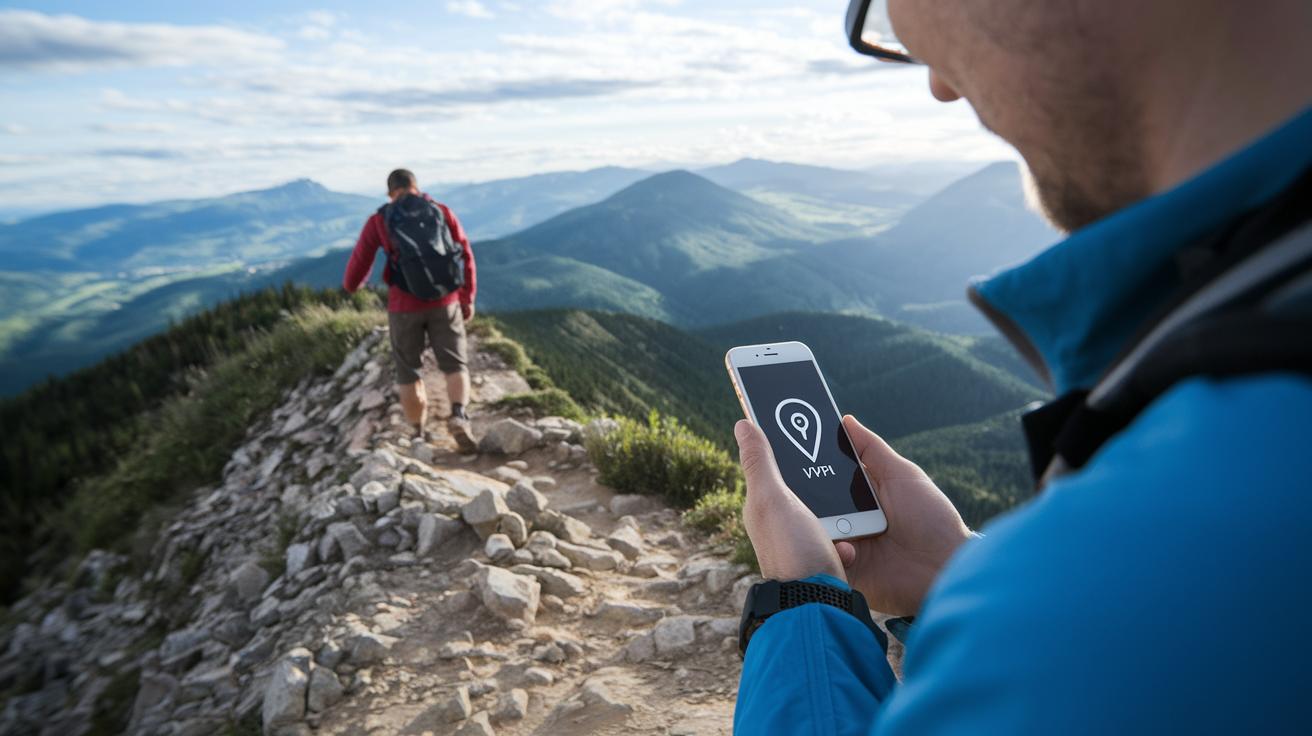
Staying connected even when you're off the beaten path is a must. When you're on the move, grab an international SIM card or opt for a local data plan. This way, you can easily pull up online maps and stay in touch without those crazy roaming fees or dodgy Wi-Fi spots. And don't forget to use a secure connection, like a VPN, when you’re on public networks, it keeps your personal info safe from prying eyes.
Sharing your live location with family or friends using a GPS app can really boost your peace of mind. Set it to update your position at regular stops so your loved ones always know you're safe. It’s a little habit that can turn a near-miss into just a small bump on the trail.
Remember to pack backup power too. Bring along power banks or even a solar charger for those extra-long trips. With a reliable way to keep your devices charged, you’ll never miss a call for help or a chance to update your crew on where you are.
Safety isn’t just about the gear you pack, it’s also about staying connected along the way. Stick to these tips, and you’ll not only protect your digital life but also enjoy a smoother, worry-free adventure.
First Aid Essentials and Medical Kit Packing for Travel Safety
Before you head into the wild, make sure you’ve got a trusty, well-stocked medical kit at your side. Check your vaccination records for stuff like malaria or yellow fever, and toss in water purification tablets to keep your drinking water safe. Don’t forget a reliable insect repellent to help you dodge those pesky bites that could lead to illness.
Imagine sitting by a campfire with a kit that feels like a safety net. That’s why you should pack basic first aid tools like assorted bandages, a small bottle of antiseptic liquid, pain relievers, and any emergency meds you might need. You might also want to add a few camping essentials, like sanitizing wipes and a digital thermometer, to help you handle minor scrapes or sudden fevers with ease.
While you’re on the move, be sure to look after your body, too. Bend your knees when lifting heavy gear (it’s a simple trick to protect your back), and consider using some joint support if needed. Keep yourself well hydrated by sipping plenty of water, just like refilling your canteen on a long hike. These habits can make a big difference, stopping strains or cramps before they even start.
Always remember, a well-prepared kit paired with mindful habits on the trail brings a unique kind of peace, you’re ready for any unexpected scrapes nature might throw at you.
Travel Safety Abroad: Cultural and Local Standards
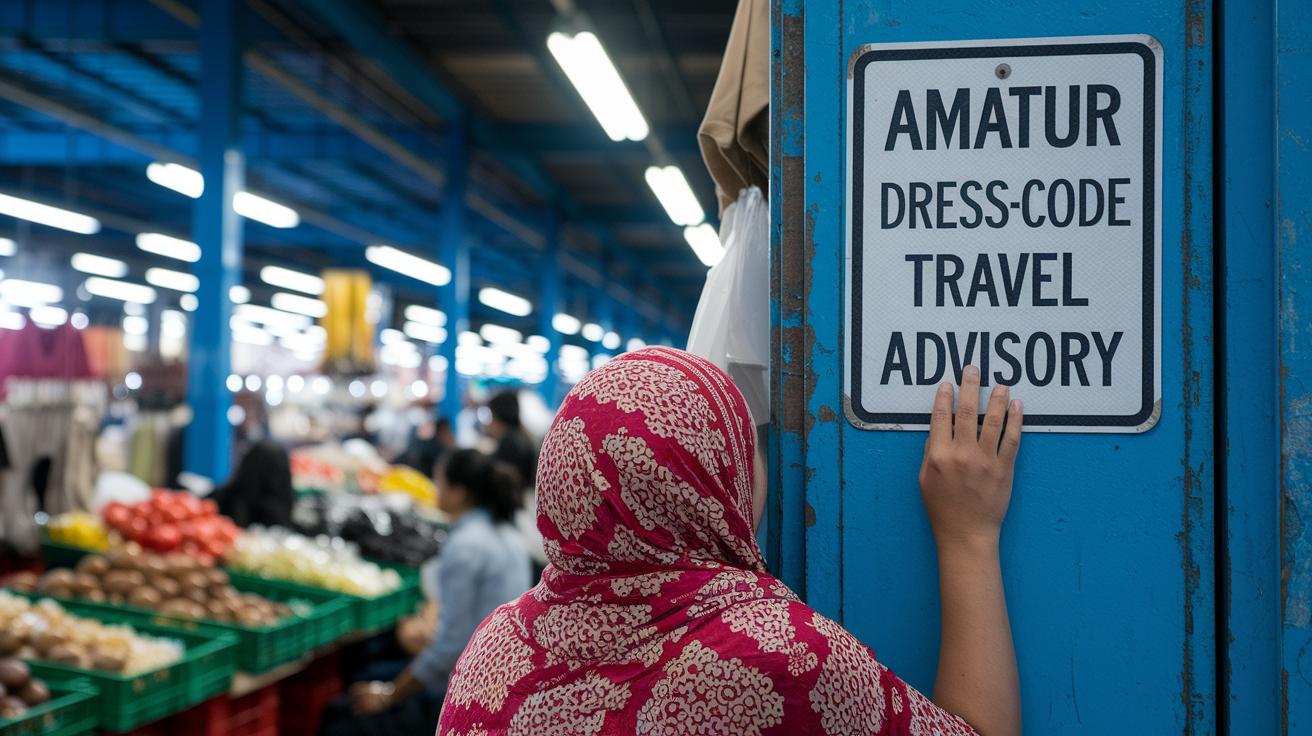
Before you set off, take a moment to learn about the customs and dress codes where you're headed. Knowing the local traditions helps you fit in and shows respect, much like packing the right gear for an adventure. In some areas, for example, dressing too revealing might make people uncomfortable.
Keep an eye on the local political scene too. Check travel advisories and local news to avoid places where tension might be high. Sometimes a quick chat with locals, like asking, "Where's the safest bus stop?" can give you helpful tips that feel as reassuring as a friendly map on a new trail.
It also helps to have a list of local emergency numbers and your embassy's contacts. Think of it as a mini guide that’s there for you when nature throws a surprise your way, a little backup plan in your pocket.
And don’t forget, building a connection with local guides is a smart move. They can share extra advice and steer you clear of any misunderstandings, just like a seasoned trail buddy who knows the ins and outs of the path ahead.
Outdoor Survival Recommendations and Situational Awareness for Travel
When you set out on your adventures, it pays to have the basics in your back pocket. Look for a safe place to take cover, notice where clean water might be flowing, and know a few tricks to spark a fire (even a simple flint and steel works). These skills can really turn a sticky situation into something you can handle. Imagine finding yourself in a light drizzle, dashing to a covered spot can keep you dry and ready for your next step.
Stay alert by really looking around. Picture yourself on a trail where every soft rustle or gust of wind might tell you something is about to change in nature. Knowing how to safely treat water, like using purification tablets or boiling it until it bubbles, means you can relax even when you take an unexpected break by a stream.
Always have a backup plan for your route. Keeping a mental map of alternative trails is smart if your chosen path turns out to be risky. I remember a fellow traveler who mixed up some trail markers until a local guide gently pointed him in the right direction. That little mix-up ended up being a good lesson in staying aware.
And don’t forget to keep an eye on the weather. A quick check on forecast changes can really help you dodge sudden hazards, keeping you safe and confident every step of the way.
Final Words
In the action, you’ve seen how smart planning and practical gear make each trip safer. The post covered easy pre-trip checks, protective gear choices, and emergency contacts that help keep you secure. It also shared ways to handle risks through situational awareness and local insight while respecting cultural customs. This adventure travel safety tips guide reminds us that solid prep leads to confident and enjoyable trips. Keep that spirit of readiness alive and step out with a calm, positive mindset into nature’s vast and welcoming open spaces.
FAQ
Q: What are some key tips for safe travel in remote areas?
A: The safe travel tips for remote areas include thorough pre-trip research, securing a clear itinerary, and using check-ins with a buddy or group. These measures help reduce risks when heading off the beaten path.
Q: How should I plan for potential hazards before my trip?
A: The travel planning process should include researching travel advisories, local conditions, and safe zones. You need to set up a strong itinerary and prepare a basic kit with spare cash, a backup phone, and essential documents.
Q: What safety equipment is recommended for different activities?
A: The safety equipment choices depend on the activity. You want well-chosen helmets, lifejackets that fit properly, rugged footwear, headlamps, gloves, and weatherproof layers to minimize injury risks.
Q: How can I prepare for emergencies while traveling?
A: The emergency plan involves carrying key contacts like police, ambulance, embassy numbers, and travel insurance information. Signing up for real-time alerts and knowing safe evacuation routes helps you respond quickly.
Q: What are the best practices for staying digitally connected and secure on trips?
A: The digital safety recommendations include using international SIM cards or local data plans, a VPN on public Wi-Fi, and backup charging options like power banks or solar chargers to keep your information safe.
Q: How do I pack a proper first aid kit for outdoor trips?
A: The first aid kit should include bandages, antiseptics, pain relievers, and any emergency medications you might need. Adding water purification tablets and insect bite prevention supplies is also smart for outdoor trips.
Q: What cultural and local standards should I be aware of when traveling abroad?
A: The cultural safety tips involve learning local customs and dress codes and building a rapport with local guides. Keeping a list of local emergency numbers and embassy contacts helps maintain smooth interactions.
Q: What outdoor survival techniques help maintain situational awareness?
A: The survival techniques stress mapping safe spots, water treatment options, and fire-starting methods while always staying alert to weather and surroundings. This approach keeps you prepared for sudden changes in the wild.