

Ever wondered if exploring nature in a small group could be your ticket to the best outdoor experience? Large tours can sometimes feel like a crowded bus ride, while a tight group gives you a relaxed vibe and a genuine connection with the wild.
Skilled guides handle every detail so you can simply enjoy the adventure. In this guide, we'll show you how choosing a close-knit group and blending in local insights with flexible plans can turn an ordinary outing into a refreshing escapade full of warm moments and breathtaking views.
Small Group Adventure Travel: Definition and Benefits
Small-group travel means you’re in a close circle, usually no more than 16 folks. It’s like gathering around a campfire instead of riding on a big bus filled with strangers. You get a chance to really connect with nature and with each other.
Expert guides handle the details so you don’t have to stress about what’s next. They know the trails well and pick routes that match the adventure, whether it’s a fun party hike in rugged hills or a quiet trek along historic paths. It’s like having a friendly local say, “Follow me, and let’s check out these hidden gems.” This way, you can relax and enjoy the crisp air and beautiful views.
Traveling in a small group is a great way to build lasting friendships. As you explore new cultures and landscapes together, you feel safe and welcome. A knowledgeable guide makes sure everyone stays secure, especially since these trips often visit less crowded, peaceful spots.
Small Group Adventure Travel: Expedition Planning Insights
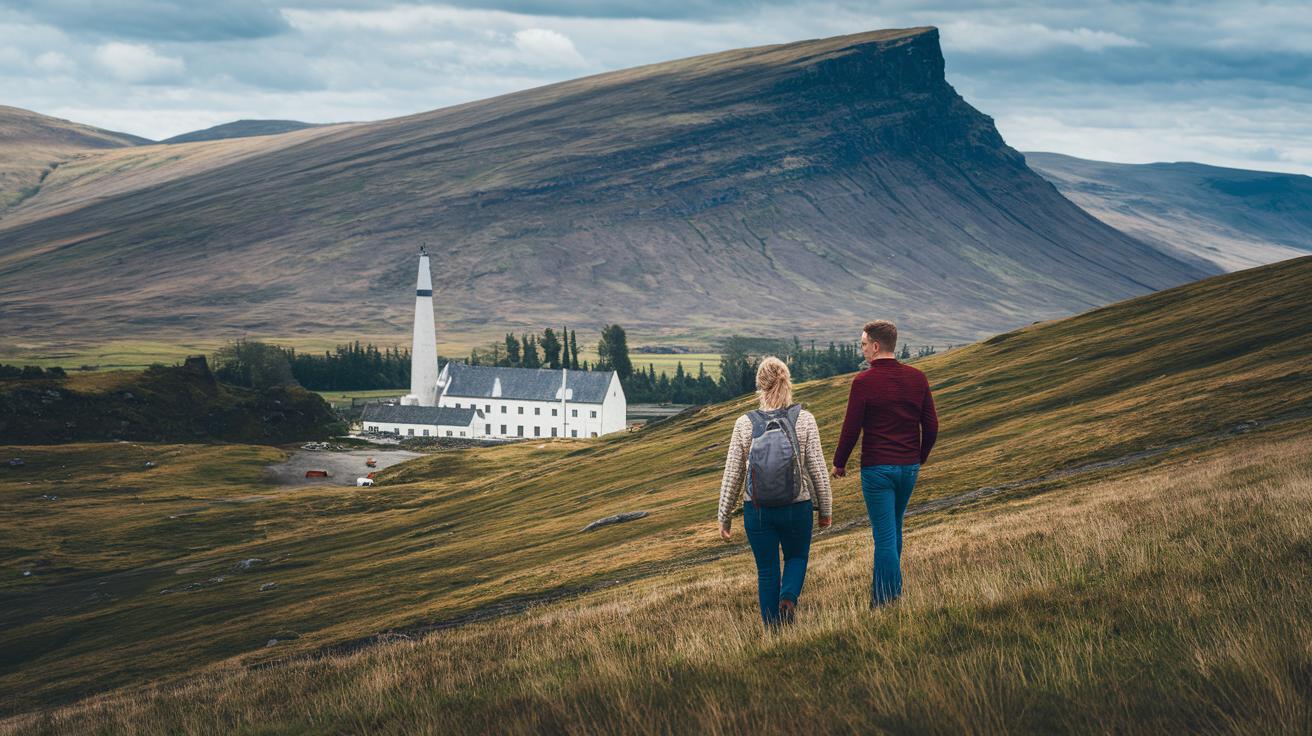
Picking the right trip theme can set you up for an adventure that stays with you. Imagine a trail like a Scotland whisky tour or a trip to famous film sites, each offers a special way to explore new places. Trips can be a quick seven-day getaway for busy folks or stretch over weeks if you want to savor every moment. And with travel companies that focus on eco-friendly practices, like certified B Corp operators starting in 2024, your journey can honor nature while keeping the adventure fun and well-organized.
Do your homework by diving into local customs, history, and nature spots.
Choose a group size that lets you make real connections without feeling crowded.
Pick a guide whose know-how and personality match your adventure theme.
Mark a few off-trail spots to enjoy unexpected surprises along the way.
Plan for flexible rest days so you can stop, breathe in the fresh air, and adjust your plans as you go.
And remember to follow eco-friendly practices to support the local community and the great outdoors.
Before you head out, lock in all the details, like your transport and where you’ll sleep. Be sure to secure mini-coach rides that offer wide, scenic views and plenty of space for your gear. Reserve lodging that fits your adventure style so you can kick back each night with comfort. With everything planned carefully, you can focus on the beauty of each trail, knowing that your trip is set for a safe, refreshing escape.
Small Group Adventure Travel: Designing Your Itinerary
Plan your day so you don’t feel rushed and can really enjoy each special spot. When mapping out your trip, mix a bit of action with time to kick back and soak in nature’s beauty. Some tours bundle transit and guided activities, though they might not include a place to stay. Think of your day like a scenic mini-road trip, take in the views, but keep in mind you're only carrying one checked bag and a small daypack. This steady pace lets you enjoy both the planned stops and those spontaneous moments that make traveling fun.
Try these ideas for your itinerary:
- Off-trail moments – leave some time to wander down hidden paths where nature might surprise you.
- Cultural stops – plan quick visits to local landmarks or food markets to taste the local vibe.
- Easy days – include a few laid-back days so your body can relax and enjoy the calm scenes.
- Group check-ins – set aside times when everyone can share ideas and pick the next stop together.
- Backup plans – always have a little extra time in case you need to change a planned stop.
Before you head out, take one last look at your route. Double-check everything from pick-up times to your stops. This final review helps smooth out any bumps and gets you set for a day full of great memories.
Small Group Adventure Travel: Coordinating Logistics and Safety Protocols
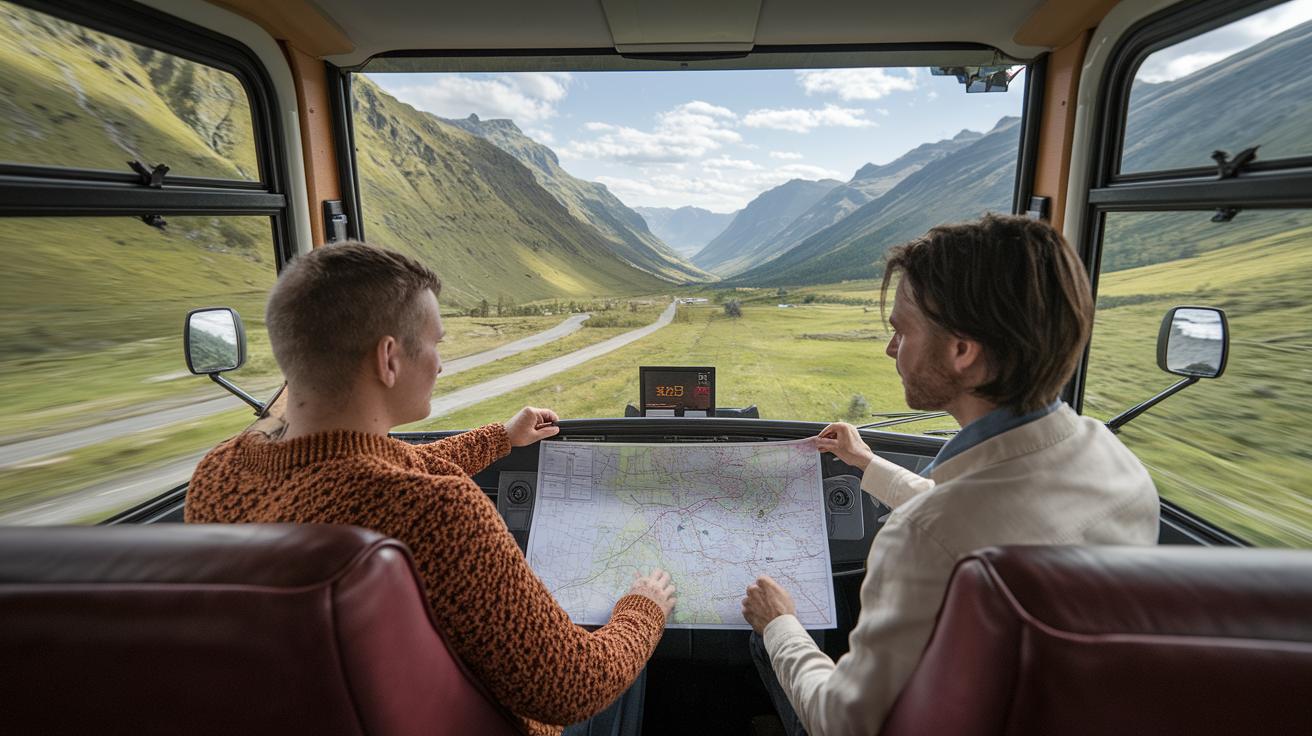
Small group trips work best when every detail is clear, from the ride to how many people the guide handles. A driver-guide who knows the land not only steers a cozy mini-coach with lovely views but also gives a daily rundown on staying safe. They plan the route carefully and check the ground ahead (think of it as making sure the trail is clear), adjusting the group size to match the conditions. With fewer travelers, each person gets more attention and guidance to read the terrain and stick to the safe path.
Being ready for surprises is key when you’re out in the wild. The driver-guide always carries printed emergency contacts and a well-stocked first-aid kit. Every day, they go over the trail’s challenges and check the weather and path, so any potential hazard is caught early, like spotting a loose rock on a trail before you trip. These careful steps help keep everyone safe and sound.
Regular check-ins make a big difference too. At set times, the guide gathers everyone for a quick update and a safety reminder. This routine talk keeps each traveler in the loop about route changes or how to handle an emergency, building trust and easing worries about unfamiliar paths. It’s like sitting around a campfire sharing tips before heading off on a new adventure, ensuring everyone feels secure and ready for the day ahead.
Small Group Adventure Travel: Essential Equipment Guides
Before you hit the road on that mini-coach, packing smart is your best friend. With space tight, choosing gear that’s light and does double duty helps you keep pace with the group. It’s like planning your favorite day on the trail, every item has a place.
Sleep systems are super important. A multi-season sleeping bag will keep you cozy on cool nights and fresh on crisp mornings. Picture waking up under a bag that adjusts as the temperature shifts. And adding a comfy sleeping pad can make your night under the stars feel even better.
What you wear matters a bunch. Sturdy, all-terrain boots help you tackle every kind of ground, and moisture-wicking layers keep you dry when sudden rain strikes. These smart choices let you adjust quickly to the changing weather, so every step feels safe and steady.
When you wander off the beaten path, having the right navigation and safety tools is key. A compact satellite communication unit and a basic GPS work like a modern compass, guiding you on less-traveled routes. They give you that extra peace of mind during unexpected twists in the wild.
Sometimes, sharing gear makes life easier for everyone. When you use a group first-aid kit, a simple cooking setup, and a compact multi-tool, you can keep the extra bulk out of your personal pack. This shared strategy lightens the load for the whole crew.
Right before you head out, run through your gear checklist. Make sure your sleep system, clothing, navigation tools, and shared equipment are all packed and working. That final review lets you start your adventure confidently, knowing you’ve got everything you need.
Small Group Adventure Travel: Budgeting and Cost-Effective Outdoor Trips
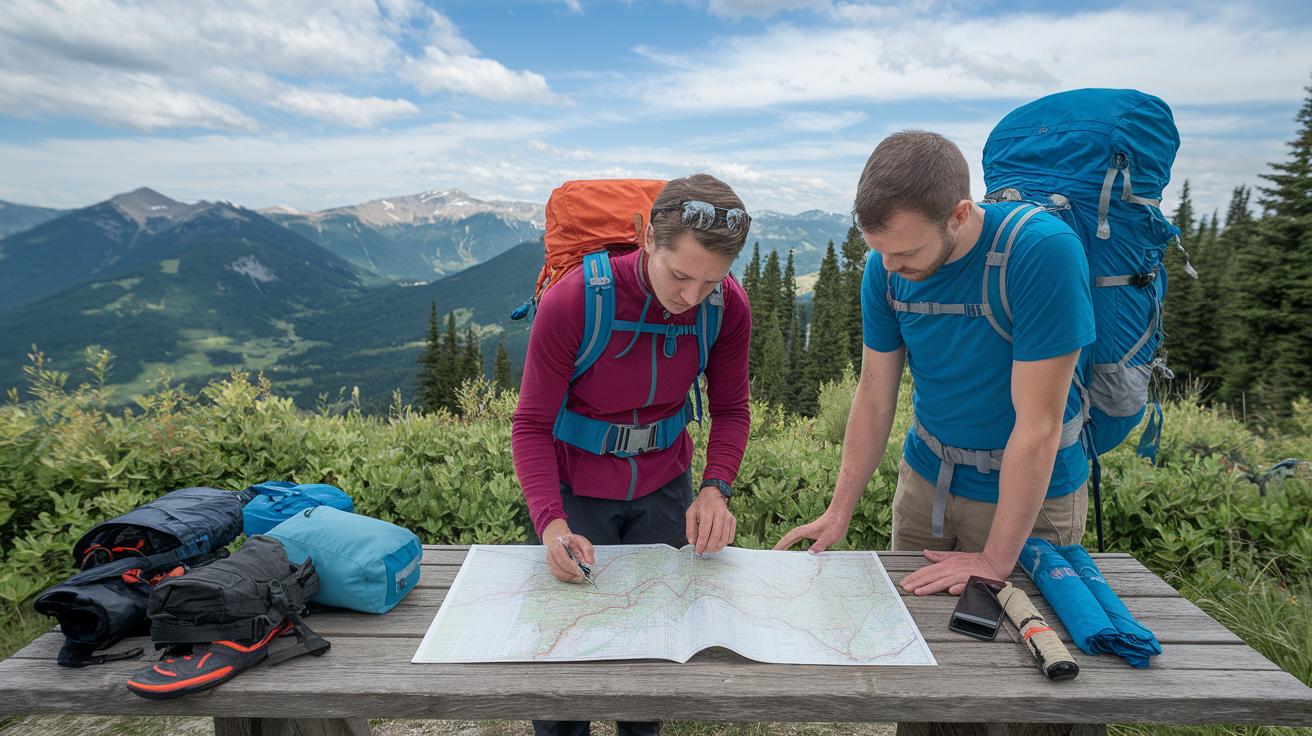
Planning a small-group outdoor trip is a bit like packing for a long hike, you need to balance every piece of gear. You mix together costs like a cozy place to stay, fun guided adventures, tasty local meals, and transportation into one neat deal. Prices can start at around $1,000 per person and go over $10,000, all depending on the destination and how long you’re out there exploring. Bundled packages usually include your lodging, activities, and some friendly expert advice, making things simpler than organizing every little stop on your own. And the best part? This way, you’re less likely to be caught off guard by surprise expenses.
Per-day bundled rates generally sit between $400 and $500. Now, think about it, if you booked a hotel, bought tickets for different adventures, and paid local guide fees separately, those costs could add up pretty fast. Bundling everything together not only saves you time, but it also often comes with handy discounts that you might miss when you plan each detail on your own.
Try these three tips to trim your expenses:
- Off-peak scheduling: Plan your trip during shoulder seasons when prices can drop by 15% to 30%.
- Shared resources: Pool your gear or accommodations with your buddies to cut down on costs.
- Local homestays: Stay with community-run spots that add a local twist and keep your spending in check.
These smart moves make sure you focus on nature’s beauty and create memories full of laughter and adventure, all without putting a strain on your wallet.
Small Group Adventure Travel: Group Dynamics and Communication
Before you even hit the trail, kick things off with a simple icebreaker. A quick round of introductions or sharing your favorite outdoor memory can make everyone feel like they're gathered around a cozy campfire. Even if you’re traveling solo, you’ll soon see that exploring together boosts confidence and feels just like being part of one big family adventure.
When small bumps or misunderstandings pop up along the way, talking them out really helps. Sharing thoughts and making decisions as a group eases any tension. A few friendly check-ins can clear up issues, ensuring everyone’s ideas are heard and the journey stays smooth.
Exploring local culture as a team turns a regular trip into a memorable adventure. Whether you’re wandering through local markets, hiking scenic trails, or learning about cherished customs, every stop feels like a mini celebration of the area's charm. And when a knowledgeable guide mixes cultural insights with outdoor fun, it leaves a warm, lasting impression.
Small Group Adventure Travel: Destination Research and Sustainable Practices
Start off by checking out the tour operators. Look for ones that flaunt eco-friendly badges like B Corp. It’s like making sure you’ve got a reliable trail guide before you head out on a hike. A great operator shows love for nature and has a solid track record with eco-friendly stays, community events, and meals made from local produce.
Next, take some time to learn about local customs and community projects. Focus on trips that include real local experiences and genuine cultural adventures. Ask how they team up with local groups or artisans to create those authentic moments. Imagine chatting with a friendly local at a small roadside stand, getting insider tips on the best hidden spots, that’s what you’re looking for.
Finally, mix in plans to offset your carbon footprint and boost local economies. Choose tours that invest in renewable energy and eco-conscious lodging, and that make time for visits to local markets and family-run businesses. By going this route, your journey not only fills you with incredible memories but also helps preserve and support the communities you explore.
Final Words
In the action, our guide shared insights on small group outdoor travel. We highlighted personalized planning with expert guides, smart gear checklists, and cost-smart tips. We looked at balancing off‐trail highlights with safety protocols and group communication that builds lasting bonds. Each section serves as a compact guide for organizing an intimate trek that is both safe and enriching. Enjoy every moment on the trail with confidence and a smile, and let these ideas spark your next memorable outdoor trip.
FAQ
What does a free guide to small group adventure travel cover?
The free guide to small group travel covers key elements like group size limits, expert itinerary planning, and gear plus budget tips, helping you plan a stress-free and personalized outdoor outing.
What makes the best guide to small group adventure travel?
The best guide to small group travel explains top tips for crafting balanced itineraries—from choosing small, manageable groups to coordinating logistics and safety—ensuring an enjoyable and well-organized trip.
What are travel groups for adults?
Travel groups for adults offer organized trips designed with mature tastes in mind, featuring professional planning, curated schedules, and shared experiences that mix sightseeing with plenty of downtime.
What are travel groups for adults over 50?
Travel groups for adults over 50 feature relaxed itineraries, supportive guidance, and social opportunities, all organized with a focus on comfort, safety, and connecting with like-minded travelers.
What are travel groups for adults over 40?
Travel groups for adults over 40 provide experiences that blend cultural exploration with leisure, offering guided activities, ample free time, and a friendly atmosphere that encourages forming new bonds.
What do small group tours for seniors include?
Small group tours for seniors include well-paced itineraries, expert guidance, and added safety measures, giving an opportunity to explore safely while enjoying a supportive and social travel setting.
What features define the best small group travel companies?
The best small group travel companies specialize in personalized itineraries, professional guide support, and robust safety protocols, all while fostering genuine connections among travelers for a seamless trip.
What are small group tours for single travellers?
Small group tours for single travellers offer inclusive experiences where individuals benefit from organized planning, meet a diverse range of peers, and enjoy a worry-free trip with expert guidance.